
Plants
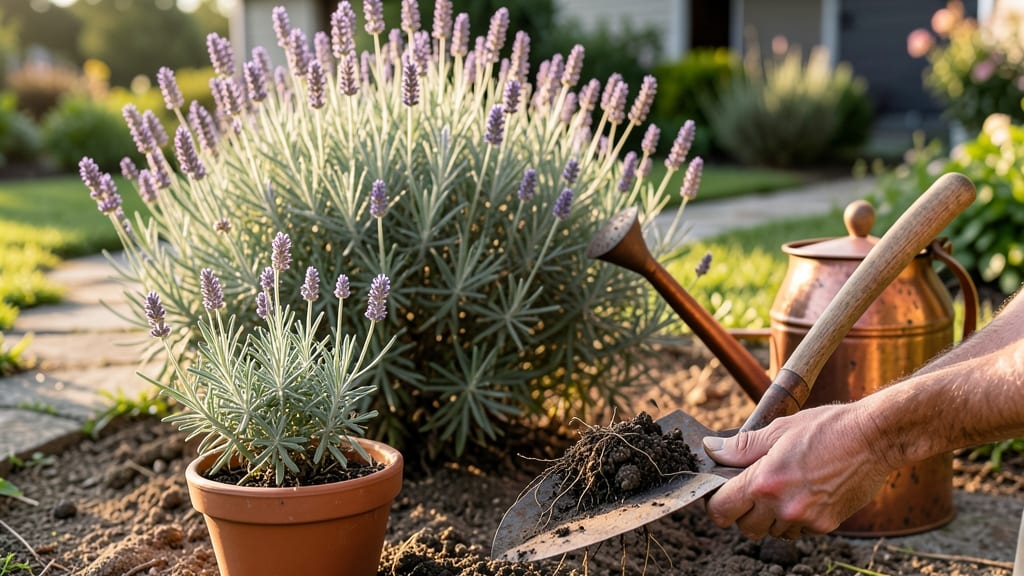
Planting lavender in Zone 8 at the wrong time could mean struggling with weak stems or sparse blooms—even though this fragrant herb loves your climate. The key to perfect lavender growth lies in timing it right, when soil temperatures are just right and moisture levels are ideal.
If you’ve ever wondered why some lavender thrives while others fade, it’s likely because of planting season. Zone 8’s mild winters and hot summers create a narrow window for success—either early spring or early fall. Get it wrong, and you risk stressing your 🌿 lavender before it even takes root.
I’ll show you exactly when to plant for maximum fragrance and drought resistance, plus how to prepare your soil for thriving lavender. Whether you’re a first-time gardener or a seasoned pro, these tips will help you avoid common mistakes that stifle growth.
Ready to grow lavender that blooms beautifully year after year? Let’s dive into the best planting strategies for your Zone 8 garden.

Best planting windows for lavender in Zone 8: fall vs spring breakdown
Timing your lavender planting in Zone 8 can make the difference between a fragrant, thriving plant and one that struggles. The best windows are early spring and early fall, when soil temperatures are cool but frost risk is minimal.
Zone 8’s mild winters and hot summers create unique challenges, so understanding these windows is key to success.
Spring planting in Zone 8 should happen after the last frost date—typically mid-March to early April. This gives lavender’s roots time to establish before summer heat arrives. Fall planting, however, offers a longer window from September to early November, allowing roots to settle before winter dormancy.
Both seasons avoid the stress of summer heat or winter cold snaps.
Here’s a detailed comparison to help you decide which window works best for your Zone 8 garden:
| Factor | Spring Planting (March-April) | Fall Planting (September-October) |
|---|---|---|
| Soil Temperature | 50-60°F (ideal for root growth) | 60-70°F (cools gradually for root establishment) |
| Frost Risk | Low after mid-March | Minimal before November |
| Root Establishment Time | 6-8 weeks before summer heat | 8-10 weeks before winter dormancy |
| Watering Needs | Moderate (spring rains help) | Low (fall rains reduce need) |
| Best for Zone 8 Microclimates | Inland areas (drier springs) | Coastal areas (cooler, wetter falls) |
If you’re in an inland Zone 8 area, spring planting is ideal because the soil warms quickly, and the risk of late frosts is lower. For coastal Zone 8 gardens, fall planting often works better due to milder temperatures and higher humidity.
Both seasons avoid the peak summer heat, which can stress young lavender plants.
Another key factor is soil preparation. Before planting, amend your soil with gravel or sand to improve drainage—lavender hates soggy roots. Test your soil’s pH; lavender prefers alkaline soil (7.0-8.0). If your soil is acidic, add lime to adjust it before planting.
For container gardening in Zone 8, timing is less critical, but still important. Plant lavender in well-draining pots during the same windows (spring or fall) to match outdoor conditions.
Containers dry out faster, so monitor soil moisture closely, especially in summer. A south-facing spot ensures maximum sunlight, which lavender craves for vibrant blooms.
Pro tip: If you miss the ideal windows, you can plant lavender in late winter (February) or early summer (May), but expect slower establishment. Young plants may struggle with summer heat stress or winter cold snaps, so provide extra care during these transitions.
Remember, lavender is drought-tolerant once established, but young plants need consistent moisture. Water deeply once a week for the first month after planting, then taper off as roots grow.
Mulch around the base with gravel or pebbles to retain moisture and deter weeds—just keep it 2-3 inches away from the stems to prevent rot.
With the right timing, your lavender will reward you with fragrant blooms from early summer through fall, making your Zone 8 garden a sensory delight. 🌿
Best planting windows for lavender in Zone 8: fall vs spring breakdown
Zone 8’s mild winters and hot summers create a unique challenge for lavender planting. The key is timing—plant too early, and frost may damage tender roots; too late, and summer heat stress weakens transplants.
My top recommendation? Aim for early fall or early spring when soil temps hover between 60°F and 70°F—ideal for root establishment.
Fall planting (September-October) gives lavender time to root deeply before winter, while spring planting (March-April) avoids summer’s brutal heat. Coastal Zone 8 areas (like San Francisco) have longer frost-free windows than inland regions (like Arizona), so adjust accordingly. Let’s break down the pros and cons of each window.
| Factor | Fall Planting (Sep-Oct) | Spring Planting (Mar-Apr) |
|---|---|---|
| Soil Temperature | 60°F–70°F (ideal) | 55°F–65°F (warmer than early spring) |
| Root Establishment | 6+ weeks before frost | 8+ weeks before summer heat |
| Frost Risk | Low (plant 4–6 weeks before first frost) | None (after last frost) |
| Watering Needs | Moderate (cooler temps) | Low (established roots) |
| Best For | Drought-resistant varieties (e.g., Grosso) | Heat-sensitive varieties (e.g., Provence) |
For coastal Zone 8, extend fall planting into November—milder temps delay frost. Inland areas should plant by mid-October to avoid winter stress. Pro tip: Mulch heavily after fall planting to insulate roots during Zone 8’s occasional cold snaps (down to 20°F).
Spring planting requires patience. Wait until soil temps rise above 55°F—cold soil slows root growth. In Southern California, this means mid-March; in Georgia, aim for early April. Always harden off nursery-grown lavender for 7–10 days before transplanting to prevent shock.
Zone 8’s summer heat is the real villain. Planting in late spring (May-June) risks transplant shock and fungal diseases from high humidity. If you must plant later, use shade cloth for the first 2 weeks and water deeply at soil level (not overhead) to avoid leaf burn.
Remember: Lavender hates soggy roots. Amend your soil with gravel or sand to improve drainage, especially in clay-heavy Zone 8 soils. A quick soil test for pH 6.5–7.5 (slightly alkaline) ensures optimal growth.
With the right timing, your lavender will reward you with fragrant blooms from spring to fall.