
Plants
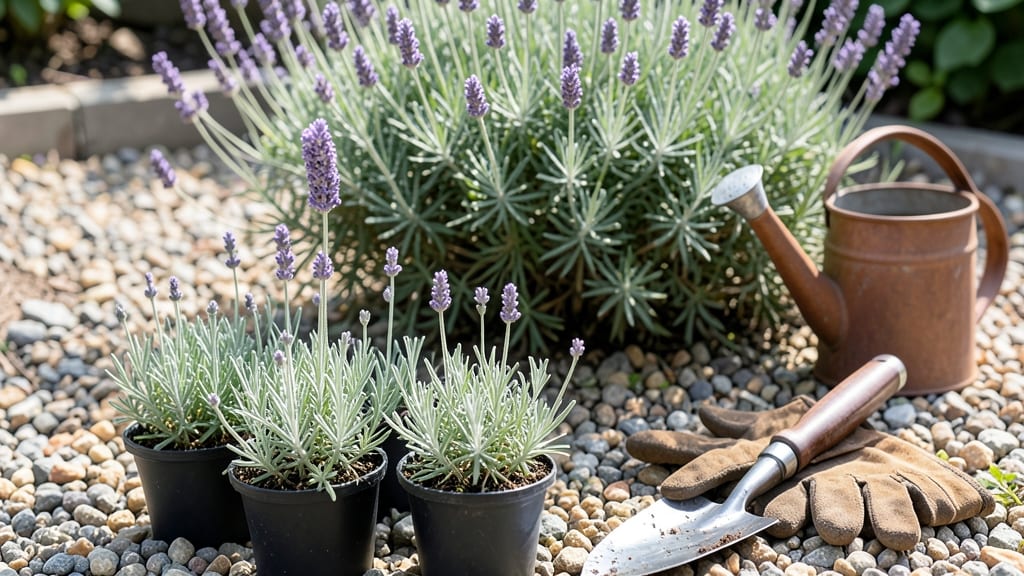
When to plant lavender in Kentucky isn’t just about the calendar—it's about dodging frost and heat waves that can turn your 🌸 lavender dreams into a soggy mess. Plant too early, and a late frost will wipe out tender seedlings; too late, and summer's humidity will suffocate your plants before they even take root.
Here's the secret: Kentucky's Zone 6a climate gives you two narrow windows—early spring (March-April) or early fall (September-October)—where soil temperatures and moisture levels align perfectly for lavender's Mediterranean roots. Miss these, and you'll spend next summer watching your plants wilt under the Bluegrass heat.
I've grown lavender in Kentucky for years, and I'll show you exactly how to nail those planting windows, from soil prep tricks to the 3-step care routine that keeps your lavender thriving when other gardeners give up. Let's get your fragrant garden started right.
Whether you're a first-time gardener or a seasoned pro, these zone-specific tips will help you avoid the most common mistakes—like overwatering or planting in heavy clay—that turn Kentucky's perfect climate into a lavender killer. Ready to grow lavender that smells as good as it looks?
Best planting windows for Kentucky’s Zone 6-7 lavender success
Kentucky’s USDA Zones 6-7 offer the perfect climate for growing fragrant lavender, but timing your planting is critical. Lavender thrives in well-drained soil and full sun, but Kentucky’s humid summers and variable frost dates mean you’ll need to adjust your schedule based on your specific microclimate.
Whether you’re in the Bluegrass Region or the Pennyrile Plateau, understanding these windows ensures your lavender establishes strong roots before summer heat arrives.
The ideal planting windows for Kentucky lavender are early spring (March-April) and early fall (September-October). These periods give your plants enough time to root before summer heat or winter frost stress them out.
For instance, planting in late April risks exposing young plants to late spring frosts, while planting in late October may leave them vulnerable to early winter chill.
Let’s break down the best planting months for Kentucky’s two main regions. The Bluegrass Region (Zone 6a) typically has last frost dates around April 15, while the Pennyrile Plateau (Zone 7a) may see frost-free conditions by March 25.
These differences mean your planting schedule should account for local climate nuances. For example, gardeners in Lexington might aim for March 15-April 15, while those in Paducah could start as early as March 1.
🌱
| Planting Window | Zone 6a (Bluegrass) | Zone 7a (Pennyrile) | Soil Temp Requirement |
|---|---|---|---|
| Early Spring | March 15 - April 15 | March 1 - April 1 | 50-60°F |
| Early Fall | September 1 - September 30 | September 15 - October 15 | 60-70°F |
| Late Spring (Risky) | After April 20 | After April 10 | 60°F+ (but frost risk) |
| Late Fall (Risky) | After October 1 | After October 20 | 55°F+ (but winter chill risk) |
Soil temperature is another critical factor for successful lavender planting. Lavender roots grow best when soil temperatures are between 50-70°F. In Kentucky, soil typically reaches these temperatures by mid-March in Zone 7a and by early April in Zone 6a.
You can use a soil thermometer to check before planting, especially if you’re in a cooler microclimate. If your soil is still too cold, wait a few weeks—rushing the process can stunt root development and leave your lavender vulnerable to disease.
For spring planting, aim to get your lavender in the ground 4-6 weeks before the last frost date in your area. This gives roots time to establish before summer heat arrives.
In Kentucky, this usually means planting by mid-April for Zone 6a and by early April for Zone 7a. If you’re starting lavender from seeds, begin indoors in February and transplant outdoors after the frost-free date.
For nursery-grown plants, you can plant them slightly later, around April 1, as they have a head start on root growth.
Fall planting is equally important, especially if you want to avoid summer heat stress. In Kentucky, September is the best month for fall planting because it allows roots to establish before winter dormancy.
By October 15, days grow shorter, and nighttime temperatures drop, which can stress young lavender plants. If you’re in Zone 7a, you might extend planting into early October, but avoid planting after mid-October to prevent winter damage.
One common mistake Kentucky gardeners make is planting lavender too late in spring. If you miss the March-April window, your plants may not have enough time to establish roots before summer’s intense heat and humidity set in. This can lead to root rot or stunted growth.
Similarly, planting too late in fall can leave your lavender exposed to early winter frosts, which can be fatal. Always check your local frost dates and adjust your schedule accordingly.
To maximize success, consider container gardening if your yard has heavy clay soil or poor drainage—a common issue in Kentucky. Containers allow you to control soil quality and drainage, which lavender desperately needs. You can plant container-grown lavender 2-3 weeks later than in-ground plants, as they
Best planting windows for Kentucky’s Zone 6-7 lavender success
Kentucky’s Zone 6-7 climate offers two prime windows for planting lavender: early spring and early fall. The key is avoiding frost—lavender’s tender roots won’t survive temperatures below 20°F.
In most of Kentucky, this means waiting until after April 15 for spring or planting by mid-October before the first frost hits.
Timing matters because lavender needs 6-8 weeks to establish roots before summer’s heat arrives. Planting too late in spring (after June) risks stress from Kentucky’s humid summers, while fall planting gives roots time to settle before winter dormancy.
The Bluegrass Region (Zone 6a) has slightly earlier frost dates than the Pennyrile Plateau (Zone 7a), so adjust accordingly.
| Planting Window | Zone 6a (Bluegrass) | Zone 7a (Pennyrile) | Soil Temp Requirement |
|---|---|---|---|
| Early Spring | March 15–April 15 | March 1–April 15 | 50–55°F |
| Early Fall | September 1–October 15 | September 15–October 30 | 60–65°F |
For spring planting, aim for soil temperatures above 50°F. Use a soil thermometer to check—cool soil delays root growth. In Kentucky, this typically aligns with late March to mid-April. If you’re in a cooler microclimate (like the Cumberland Plateau), wait until after April 1 to be safe.
Fall planting is ideal if you prefer cooler weather. September and early October give lavender time to root before winter, but avoid planting after October 15 in Zone 6a or November 1 in Zone 7a. Young plants need time to harden off before Kentucky’s first frost, which can arrive as early as mid-October in northern regions.
Pro tip: If you miss the window, container-grown lavender can be planted up to June 1, but expect slower establishment. Always choose a well-draining spot—Kentucky’s clay soil can be lavender’s worst enemy if not amended with sand or gravel.
Once planted, lavender thrives with minimal care, but the first year is critical. Water deeply once a week for the first month, then taper to every 2 weeks once established. Mulch lightly with gravel or pebbles to retain heat and deter weeds—just don’t smother the roots!