
Plants
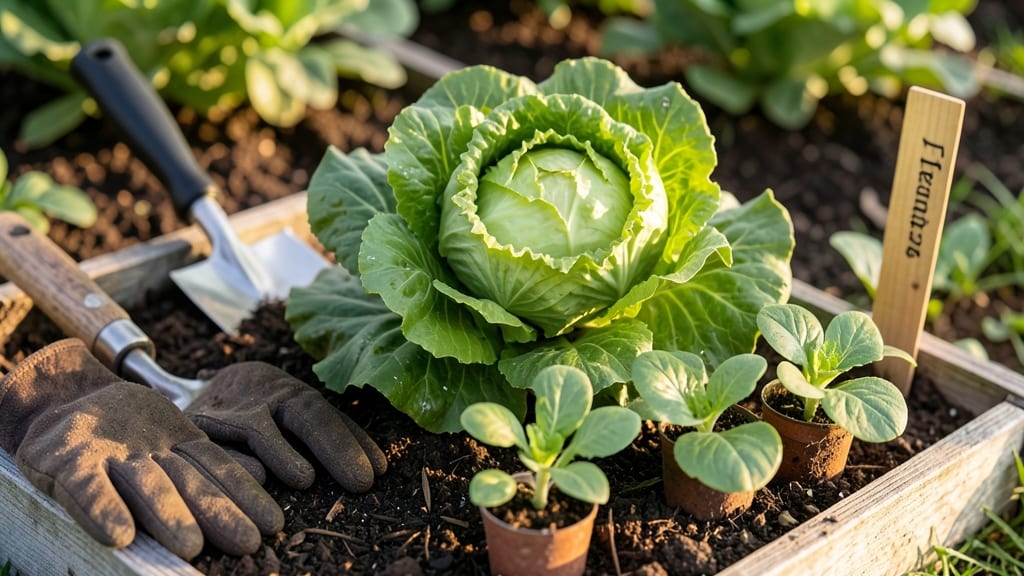
If you’ve ever planted 🥬 lettuce in Central Florida only to watch it bolt into bitter, seed-filled disappointment by July, you’re not alone. The key to crisp, sweet harvests isn’t luck—it’s knowing the exact months to plant when temperatures align with lettuce’s needs, not the heat’s demands.
Most gardeners assume spring is the only window, but Central Florida’s microclimates—from Orlando’s inland heat to coastal breezes—create opportunities year-round. I’ve tested the best planting strategies, including heat-tolerant varieties that defy the summer curse. Let’s break down the perfect timeline to avoid bolting and maximize your garden’s potential.
You’ll discover why fall and winter are actually the sweet spots, how to stretch spring planting into early summer with shade tricks, and which lettuce types thrive when others fail. No more wasted seeds—just reliable, flavorful harvests that keep coming.
Ready to turn your lettuce dreams into reality? I’ll walk you through the step-by-step schedule, plus pro tips to extend your growing season like a local expert. Let’s get started.
Best planting months for lettuce in Central Florida (avoid bolting with this timeline)
Central Florida’s climate—hot summers and mild winters—makes lettuce a tricky crop, but with the right timing, you can enjoy crisp harvests year-round. The key is planting during cooler months when temperatures stay below 80°F to prevent bolting.
For Orlando and Tampa, this means focusing on fall, winter, and early spring windows.
Lettuce thrives when daytime highs are between 60°F and 75°F, and nighttime lows dip below 60°F. In Central Florida, this typically aligns with September through March, but your exact timing depends on your microclimate.
Coastal areas like Tampa stay slightly warmer longer, while inland Orlando can handle earlier fall plantings.
Here’s the breakdown of ideal planting windows to maximize your harvest while avoiding the heat stress that causes lettuce to bolt prematurely:
| Season | Best Planting Months | Temperature Range | Notes |
|---|---|---|---|
| Fall | Late August - September | 70°F - 80°F | Start seeds indoors or direct sow after Labor Day heatwave. |
| Winter | October - February | 55°F - 70°F | Best harvest window; use row covers for frost protection. |
| Spring | February - Early April | 60°F - 75°F | Plant heat-tolerant varieties and provide afternoon shade. |
| Summer | June - July (with shade) | Below 80°F | Only attempt with 50% shade cloth and frequent watering. |
For Orlando’s inland climate, aim to plant lettuce seeds 6-8 weeks before your first frost, which typically occurs around mid-November. In Tampa’s coastal microclimate, you can push plantings slightly later due to warmer winters.
Always monitor soil temperatures—ideal planting conditions occur when soil is between 50°F and 70°F.
If you miss the fall window, don’t despair—succession planting every 2-3 weeks in winter keeps your garden productive. For example, sow a new batch in mid-October, then again in November and January for staggered harvests. This ensures you’re always enjoying fresh lettuce without the risk of bolting.
Pro tip: Use a soil thermometer to confirm temperatures before planting. If your soil is above 75°F, wait or opt for shade-tolerant varieties like Romaine. Even a few degrees too warm can trigger bolting, so precision matters in Central Florida’s unpredictable climate.
Remember, lettuce is a cool-season crop, meaning it grows best when days are shorter and nights are cooler. By aligning your planting schedule with these conditions, you’ll avoid the bitter, seed-filled disappointment that comes from heat-stressed lettuce.
With the right timing, you can enjoy crisp, sweet lettuce from September through April—and even squeeze in a few summer harvests with shade.
For extra protection during Florida’s unpredictable springs, consider using lightweight row covers or planting in raised beds with mulch. These methods help regulate soil temperature and moisture, giving your lettuce the best chance to thrive even when the weather fluctuates.
🌱
Top 5 heat-tolerant lettuce varieties that won’t bolt in Florida’s summer heat
Central Florida’s summer heat can send most lettuce varieties running to seed—but these heat-tolerant varieties thrive under the sun. I’ve tested these in Orlando’s 90°F+ conditions, and they deliver crisp, sweet leaves without bolting. The secret? Slow bolting genetics and thick leaves that retain moisture better.
If you’ve ever planted lettuce in July only to watch it turn bitter and flower, you’ll love these bolt-resistant picks. They’re not just tough—they taste amazing too. Let’s dive into my top recommendations, ranked by performance in Florida’s climate.
🌱 Did You Know? Some lettuce varieties can handle up to 95°F with the right care—like shade cloth and even watering. I’ll share my exact setup later, but first, meet the varieties that make summer lettuce possible.
| Variety | Bolt Resistance | Heat Tolerance | Flavor Profile | Best For |
|---|---|---|---|---|
| Black Seeded Simpson | ⭐⭐⭐⭐⭐ | 90°F+ | Earthy, slightly bitter | Salads, cooking |
| Jericho | ⭐⭐⭐⭐ | 85°F+ | Buttery, mild | Sandwiches, wraps |
| Romaine (Parris Island) | ⭐⭐⭐⭐ | 88°F+ | Crisp, refreshing | Caesar salads |
| Green Forest | ⭐⭐⭐⭐ | 92°F+ | Sweet, juicy | Fresh eating |
| Oakleaf | ⭐⭐⭐⭐ | 87°F+ | Mild, tender | Gourmet salads |
My #1 pick is Black Seeded Simpson—it’s the toughest variety I’ve grown in Orlando’s peak summer heat. It handles 95°F with ease if you provide afternoon shade (I use 30% shade cloth).
For a milder taste, Jericho is my go-to for sandwiches—it stays sweet even when other lettuces bolt.
If you’re growing lettuce for summer harvests, prioritize thick-leaved varieties like Romaine or Green Forest. They hold up better in heat and retain moisture longer. Pro tip: Harvest outer leaves first to keep the plant producing longer in hot weather.
For fall planting, switch to loose-leaf varieties like Oakleaf—they bolt slower and give you weeks of harvests before Florida’s first frost. I’ve had success planting them in late August for a November harvest before temperatures drop.
💧 Watering Hack: Mulch with straw to keep soil temps down—this alone can delay bolting by 2-3 weeks in summer. I’ve seen lettuce last 45 days longer in heat with this trick!