
Plants
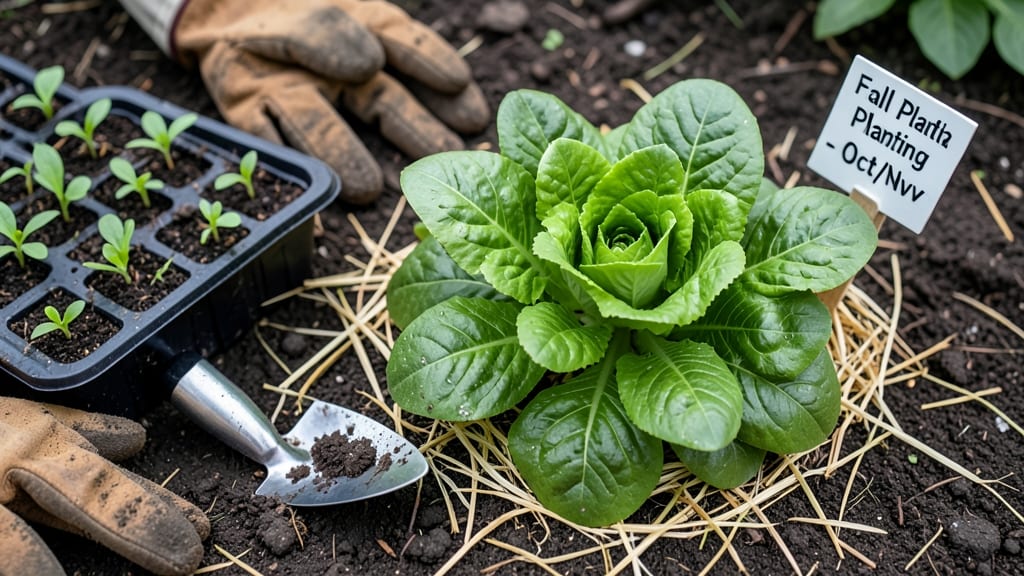
If you’ve ever planted 🥬 lettuce in North Florida only to watch it bolt into bitter, seed-studded disappointment by summer, you’re not alone. The key to crisp, sweet heads lies in timing—specifically, knowing when to plant lettuce to dodge the heat and frost risks that wreck harvests.
Here’s the game-changer: Start seeds after Labor Day for fall crops, but avoid planting after February 15—that’s when frost sneaks in. North Florida’s Zone 8a climate means your best bets are September through March, when cooler temps slow bolting and keep your greens tender.
I’ll break down the exact months that work, plus how to stretch your harvest into May without sacrificing quality.
Why does this matter? Because bolting isn’t just about bitter taste—it’s about wasted effort. With the right schedule, you’ll skip the stress of summer failures and enjoy fresh salads straight from your garden.
Let’s dive into the zero-bolt planting calendar that actually works for Jacksonville’s humidity and the Panhandle’s occasional dry spells.
You’ll learn how to time your plantings for continuous harvests, which varieties thrive in Florida’s heat, and even how to cheat the system with shade tricks. Ready to turn your lettuce dreams into reality? Let’s get growing.
Best months to plant lettuce in North Florida for zero bolt risk
North Florida’s humid subtropical climate in USDA Zone 8b makes timing everything for lettuce. Plant too early, and summer heat triggers premature bolting. Wait too long, and winter frosts damage tender leaves.
The sweet spot? September through March, when temperatures stay between 50°F and 75°F—ideal for crisp, sweet heads.
Lettuce thrives in cool weather, but North Florida’s summers push it into survival mode. The key is avoiding heat stress by planting when days are shorter and nights are cooler.
For example, September plantings mature before temperatures climb above 80°F, while March plantings finish before the April heat wave hits.
Here’s the breakdown of your zero-bolt planting windows, tailored to Jacksonville’s microclimate:
| Season | Planting Window | Temperature Range | Best Varieties | Harvest Window |
|---|---|---|---|---|
| Fall | Late August - October | 65°F - 75°F (day) | Romaine, Buttercrunch, Black Seeded Simpson | October - December |
| Winter | November - February | 50°F - 65°F (day) | Winter Density, Arctic King, Salad Bowl | December - April |
| Spring | February - Early March | 60°F - 70°F (day) | Romaine, Bibb, Oakleaf | March - May |
🌱 Pro Tip: Use shade cloth (30-50%) for late-spring plantings to delay bolting.
For fall plantings, start seeds indoors 4-6 weeks before your target date (e.g., sow by mid-August for a September transplant). This gives seedlings a head start before the September heat spike.
In winter, protect young plants with row covers if temperatures dip below 30°F—common in January.
Spring is trickier in North Florida. Plant no later than early March to avoid the April heat, which can cause lettuce to bolt in as little as 10 days. Choose heat-tolerant varieties like Romaine or Buttercrunch, which handle 80°F days better than delicate leaf lettuces.
If you’re in rural areas like Gainesville (cooler microclimate), you can push plantings 1-2 weeks later than Jacksonville. Conversely, coastal zones (e.g., St. Augustine) may need earlier plantings due to higher humidity accelerating bolting.
Always check your last frost date (February 15 in most of North Florida) to avoid frost damage. For winter crops, use cold frames or low tunnels to extend the season until late April.
One critical mistake? Planting directly in summer. Lettuce seeds won’t germinate in soil above 85°F, and seedlings wilt instantly in afternoon sun. Save summer for heat-tolerant greens like Swiss chard or malabar spinach.
By following these seasonal guidelines, you’ll enjoy crisp, bolt-free lettuce from October through May—just in time for Florida’s spring salad craze! 🥬
How to extend lettuce growing season in North Florida’s heat
North Florida’s summer heat can turn your lettuce into bitter, inedible stalks—but with the right strategies, you can enjoy crisp heads year-round. The key is heat management and succession planting to keep your garden productive even during the hottest months. I’ve grown lettuce successfully in Jacksonville’s Zone 8b climate by using shade cloth, heat-tolerant varieties, and smart scheduling. Start by choosing heat-resistant varieties like Romaine, Black Seeded Simpson, or Buttercrunch. These varieties handle temperatures up to 85°F without bolting, while others like Iceberg will struggle. Pair them with shade cloth (30-50%) to block intense afternoon sun, which can push temperatures beyond lettuce’s comfort zone.For summer planting, begin seeds indoors 6-8 weeks before the last expected frost (around mid-July for North Florida). Transplant seedlings into the garden after Labor Day when soil temperatures drop below 75°F.
Use drip irrigation to keep roots cool and water deeply in the morning to reduce evaporation and fungal risks.
Extend your harvest window by practicing succession planting. Sow a new batch of seeds every 2-3 weeks from September through March. This ensures a continuous supply of fresh lettuce without gaps.
For example, plant one batch in early September, another in mid-October, and a final one in late November—each will mature before the next heatwave hits.
🌱 Pro Tip: Mulch your lettuce beds with 2-3 inches of straw or shredded leaves to insulate roots and retain moisture. This simple step can make the difference between a thriving crop and a wilted disappointment during Florida’s dry spells.
If you’re determined to grow lettuce in summer, try container gardening with pots placed in partial shade. Lettuce grown in containers stays cooler and can be moved to shadier spots during peak heat. Just ensure pots have drainage holes and use a lightweight potting mix to prevent overheating.
Finally, monitor your garden for stress signs like yellowing leaves or premature bolting. If you notice these, adjust your shade cloth or move plants to a cooler microclimate. With these techniques, you can enjoy homegrown lettuce from September to May—no bitter bolts in sight!
☀️ Remember: The goal is to keep lettuce cool and consistently moist. Heat and drought are its worst enemies, but with patience and planning, you can outsmart North Florida’s climate.
5 Proven Ways to Grow Lettuce Year-Round in North Florida
- 1. Use shade cloth (30-50%) to block intense afternoon sun during summer months.
- 2. Plant heat-tolerant varieties like Romaine or Black Seeded Simpson for summer success.
- 3. Practice succession planting every 2-3 weeks from September to March for continuous harvests.
- 4. Mulch beds with straw or shredded leaves to retain moisture and cool roots.
- 5. Water deeply in the morning to reduce evaporation and fungal risks.