
Plants
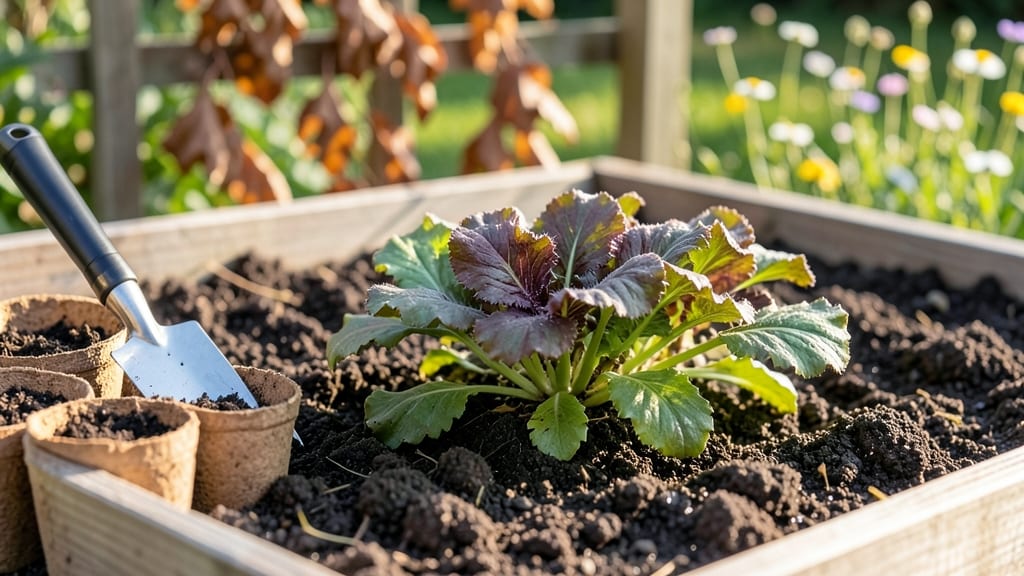
Planting lettuce in fall is one of the smartest moves you can make for a garden—because cooler weather actually makes those leaves sweeter and more tender. But timing matters: get it wrong, and you’ll end up with bitter greens or plants that freeze before they’re ready to harvest.
If you’re in USDA Zone 6a (like many gardeners), the sweet spot is 4-6 weeks before your first frost—usually mid-September to early October. That window ensures your 🥬 lettuce matures just as temperatures drop, giving you crisp harvests before winter sets in.
I’ll break down exactly when to plant based on your zone, plus pro tips for soil prep and care so your fall lettuce thrives. Whether you’re a beginner or a seasoned gardener, these strategies will help you avoid common mistakes and enjoy fresh, homegrown greens all season long.
Ready to grow lettuce that’s sweeter than store-bought? Let’s get started with the perfect planting schedule for your climate.
Fall lettuce planting timeline by USDA hardiness zones (with exact weeks before first frost)
Getting your fall lettuce timing right means the difference between sweet, crisp leaves and bitter, bolted plants. The key is planting 4-6 weeks before your first frost, but this varies dramatically by USDA zone.
In Zone 3 (think Minnesota or Maine), you’ll plant earlier than in Zone 10 (like Southern California), where mild winters allow later sowings.
I’ve broken down the exact weeks before frost for each zone, including adjustments for high-altitude areas (which get colder faster) and coastal climates (where frost arrives later). Pro tip: Check your local frost date using the National Weather Service or Old Farmer’s Almanac—these dates shift yearly!
For head lettuce (like romaine or iceberg), aim for 6-8 weeks to maturity, while leaf lettuce (like butterhead or loose-leaf) matures faster—30-50 days. Winter varieties like Winter Density or Arctic King can handle light frosts and even sweeten up after a freeze!
Here’s your zone-specific planting schedule, including adjustments for high-altitude (add 1-2 weeks earlier) and coastal (delay by 1-2 weeks). Use this as your fall lettuce planting calendar:
If you’re in Zone 5 (like Chicago or Denver), aim to plant late August to early September for a fall harvest. For Zone 8 (San Francisco or Atlanta), you can stretch it to early October.
The goal is to give your lettuce enough time to mature before hard frosts hit—typically below 28°F—which will kill most varieties.
For high-altitude gardens (e.g., Colorado Springs or Flagstaff), frost comes earlier. Plant 1-2 weeks sooner than your zone’s average. Conversely, coastal gardens (like Seattle or Portland) enjoy delayed frosts. Here, you can plant 1-2 weeks later without risking frost damage.
One common mistake? Planting too early in summer and having your lettuce bolt (go to seed) before fall. To avoid this, use shade cloth or plant in partial shade during hot spells. For succession planting, sow new seeds every 2 weeks in late summer for a steady supply.
Remember, cool weather actually improves lettuce flavor—especially romaine and butterhead. The cold snaps convert starches to sugars, making your harvest sweeter. Just don’t let temps drop below 20°F without protection!
Pro tip: Use a planting thermometer to monitor soil temps. Lettuce thrives in 60-70°F soil. If your soil is still warm (above 75°F), wait a few weeks before planting.
Now that you’ve got your zone-specific timeline, let’s talk about extending your harvest through winter—because with the right tricks, you can keep enjoying fresh lettuce even when snow is on the ground! 🥬
Fall lettuce planting timeline by USDA hardiness zones (with exact weeks before first frost)
Timing your fall lettuce planting is everything—get it wrong, and you’ll end up with bitter leaves or frozen crops. The key is planting 4-6 weeks before your first frost, but the exact date depends on your USDA zone.
In Zone 6a (like much of the Midwest), that means aiming for mid-August to early September for a harvest before winter sets in.
Cooler fall temperatures actually boost lettuce sweetness, but you need to balance planting early enough for growth with avoiding late-season heat that triggers bolting. Let’s break down the perfect zone-specific windows to maximize your harvest while protecting your plants from frost damage.
🌱 Fall Lettuce Planting Timeline by USDA Zone
| Zone | First Frost Date | Planting Window | Best Varieties |
|---|---|---|---|
| 3-4 (Cold Climates) | Mid-October | Late July to early August (8-10 weeks before frost) | Winter Density, Arctic King |
| 5-6 (Midwest/Northeast) | Early November | Mid-August to early September (6-8 weeks before frost) | Buttercrunch, Romaine |
| 7-8 (South/Central) | Mid-November | Late August to mid-September (5-7 weeks before frost) | Black Seeded Simpson, Oakleaf |
| 9-10 (Coastal/Mild) | December | September to early October (4-6 weeks before frost) | Bibb, Little Gem |
✅ Pro Tip: Adjust for high-altitude areas (plant 2 weeks earlier) and coastal climates (plant 1 week later).
If you’re in Zone 6a, like many gardeners in the Midwest, your ideal planting window is mid-August to early September. This gives your lettuce 6-8 weeks of growth before the first frost, ensuring crisp, flavorful leaves.
For high-altitude gardens (like Denver or Salt Lake City), plant 2 weeks earlier to account for cooler temperatures.
In warmer zones (7-10), you can push planting into late September, but avoid planting after October 1st—the risk of bolting increases as days shorten. For coastal areas (like California or Oregon), extend planting into early October due to milder nights.
One common mistake? Planting too early in hot summer months. Lettuce struggles in temperatures above 80°F, leading to bolting (premature flowering). Instead, use shade cloth or wait until soil temps drop below 75°F for direct sowing.
For a continuous harvest, try succession planting: sow half your seeds in early August and the rest in mid-September. This spreads out your harvest and reduces waste from bolting or frost.