
Plants
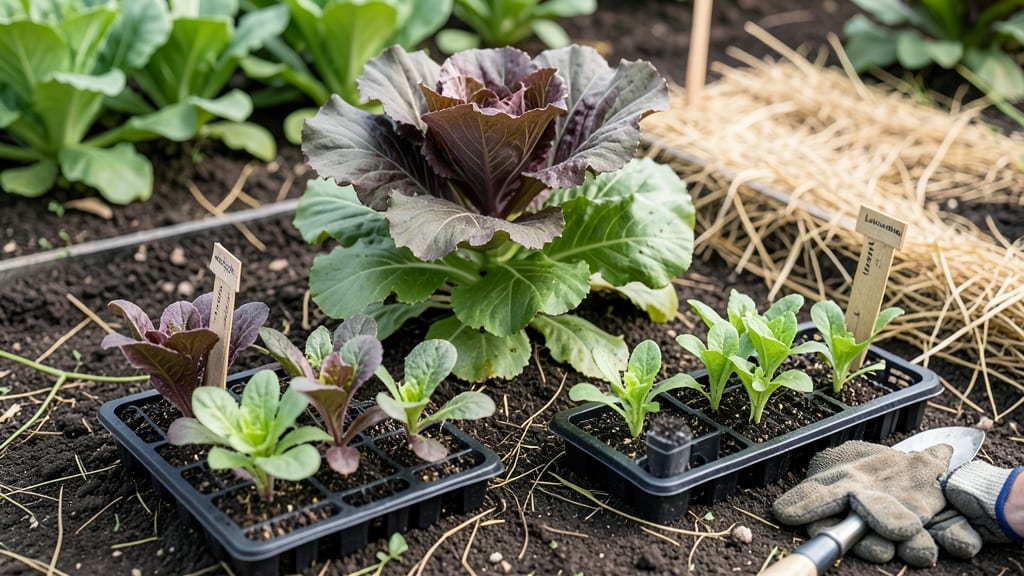
Knowing when to plant lettuce in the fall is the difference between a crisp, flavorful harvest and bitter, bolted greens before winter sets in. With just 60-75 days to maturity, timing is everything—especially in USDA Zone 6 where frost sneaks up by mid-October.
Most gardeners miss the mark by planting too late, only to watch their 🥬 lettuce turn tough or flower prematurely. The secret? Start 4-6 weeks before your first frost, typically in late August or early September for Zone 6.
This gives your plants enough time to establish roots while avoiding the heat stress of summer.
But here’s the catch: not all lettuce varieties handle fall’s cooling temperatures the same way. Cold-hardy varieties like Winter Density or Arctic King can brave light frosts, while heat-sensitive types like Buttercrunch need to be planted early enough to mature before temperatures dip.
In this guide, I’ll break down the exact planting windows by zone, soil prep tricks to extend your harvest, and how to protect your greens from late-season frost. Let’s get those seeds in the ground at the perfect moment!
Fall lettuce planting calendar by USDA hardiness zones
Timing your fall lettuce planting depends entirely on your USDA hardiness zone and your average first frost date. In most regions, planting 4-6 weeks before frost ensures mature harvests before winter sets in.
For example, in Zone 6, aim for mid-August to early September—this gives lettuce 60-75 days to grow before the first frost.
Miss this window, and you risk bitter-tasting leaves or premature bolting (flowering) from cold stress. Warmer zones like Zone 8-10 can plant later, while colder zones like Zone 3-5 need to start earlier. Let’s break it down by zone so you can pinpoint the perfect planting date for your garden.
🌱 Fall Lettuce Planting by Zone
| Zone | Planting Window | Last Chance | Soil Temp | Notes |
|---|---|---|---|---|
| 3-4 | Late July - Early August | Early October | 50-60°F | Use cold-hardy varieties like Winter Density or Arctic King. |
| 5-6 | Mid-August - Early September | Mid-October | 55-65°F | Ideal for leaf lettuce like Black Seeded Simpson. |
| 7-8 | Late August - Early October | Late November | 60-70°F | Extend harvests with row covers. |
| 9-10 | September - Early November | December (mild winters) | 65-75°F | Plant heat-tolerant varieties like Jericho. |
To find your exact first frost date, check the USDA Plant Hardiness Zone Map or local agricultural extension service. For example, if your first frost is October 15, count backward 60 days to determine your planting deadline.
In Zone 6, that’s around August 15—but adjust for your specific location.
Pro tip: Use a soil thermometer to confirm soil temperatures are 50-65°F before planting. Cool soil speeds up germination, but too-cold soil can stunt growth. If your soil runs cooler, opt for cold-hardy varieties like Winter Density or Green Forest.
For head lettuce varieties (like Romaine or Iceberg), plant on the earlier side of the window—they need more time to mature. Leaf lettuce (like Buttercrunch or Oakleaf) tolerates cooler temps and can be sown later for quicker harvests.
Don’t forget to harden off seedlings if starting indoors. Gradually expose them to outdoor conditions 7-10 days before transplanting to avoid shock. This step is critical for fall transplants, especially in Zone 5 and colder.
If you’re unsure about your frost date, err on the side of planting earlier. Lettuce grows faster in cooler fall weather, so you can often squeeze in two harvests—one from early plantings and another from late-summer sowings.
Just monitor your plants for bolting signs (tall stems, yellow leaves) as days shorten.
For gardeners in Zone 7 and warmer, you might even get a winter harvest if you use row covers or cold frames. But in Zone 3-4, focus on early maturing varieties and protect plants with straw mulch once temps dip below 30°F.
🌱
How to extend fall lettuce harvests without risking frost damage
Extending your fall lettuce harvest beyond the first frost is totally doable with the right strategies. The key is combining cold protection, succession planting, and variety selection tailored to your zone.
Even in Zone 5, where frost arrives by late October, you can harvest crisp lettuce well into November—or even December in milder regions.
Start by choosing cold-hardy varieties like Winter Density, Arctic King, or Green Forest. These varieties tolerate light frosts (25-30°F) without bolting, while leaf lettuce like Oakleaf or Black Seeded Simpson mature faster and can handle cooler temps better than head lettuce.
For Zone 7-10, opt for heat-tolerant varieties like Jericho or Romaine to push harvests into winter.
🌱 4 Ways to Extend Your Fall Lettuce Harvest
- 🛡️ Row Covers: Use lightweight fabric to protect plants from 20-25°F temps. Secure edges with soil or bricks to prevent wind damage.
- 🔥 Cold Frames: Build a simple frame over plants with clear plastic or glass. Traps heat during the day and extends harvests by 4-6 weeks.
- 🌿 Succession Planting: Sow new seeds every 2-3 weeks from late summer through early fall for staggered harvests.
- 🌡️ Mulch Heavily: Apply 4-6 inches of straw around plants to insulate roots and prevent soil temperature swings.
For Zone 6 and colder, focus on succession planting in late summer. Plant a second crop in early September (about 60 days before frost) to harvest before winter.
In Zone 7-10, you can push it further by using row covers or even a mini greenhouse to harvest through December.
Just remember: lettuce grows slower in cooler temps, so adjust your spacing—plant seeds ½ inch apart and thin to 12-18 inches for head lettuce or 6-10 inches for leaf varieties.
Monitor your plants for frost damage signs: wilted leaves, blackened edges, or mushy texture. If frost hits unexpectedly, cover plants immediately with a blanket or tarp until temps rise. After a light frost (28-32°F), lettuce often recovers and tastes sweeter!
For heavier frosts (below 25°F), harvest what you can and compost the rest to avoid rot.
Don’t overlook companion planting to protect your lettuce. Interplant with radishes (they mature quickly and mark rows) or spinach (which thrives in cooler temps). Avoid planting near carrots or celery, as they compete for nutrients.
A living mulch of clover or winter rye can also suppress weeds and retain soil moisture.
Finally, adjust your watering routine as temps drop. Lettuce needs consistent moisture to stay crisp, but overwatering in cold soil leads to rot. Water in the morning and reduce frequency by 30% once temps drop below 50°F.
Use a drip irrigation system to keep leaves dry and prevent fungal diseases like downy mildew.
With these strategies, you can enjoy fresh lettuce harvests well into winter—no greenhouse required! Just pick the right tools for your zone and watch your garden become a year-round salad bar. 🥬