
Plants
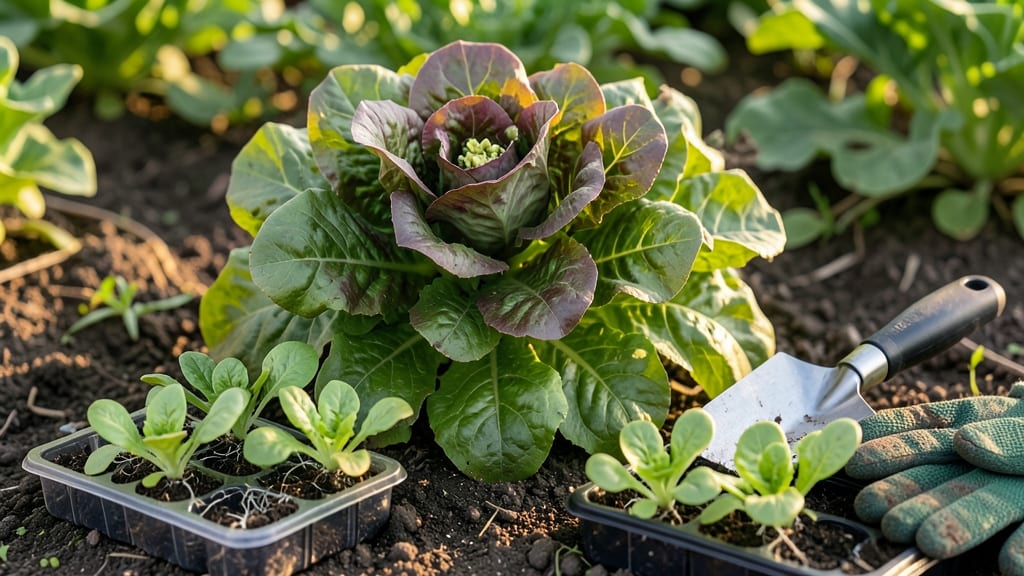
Timing your lettuce planting in Washington State isn’t just about following a calendar—it’s about outsmarting the weather. Whether you’re in Seattle’s milder USDA Zone 8b or Spokane’s cooler Zone 6b, getting the window right means the difference between crisp, sweet greens and bitter, bolted disappointment.
I’ve grown 🥬 here for years, and the key is knowing when to start seeds indoors or direct-sow outdoors to avoid Washington’s infamous spring rains or summer heat.
Plant too early, and your lettuce will bolt before you can say “harvest.” Plant too late, and you’ll miss the sweet spot between frost and scorching temps.
In this guide, I’ll break down the exact frost-free windows for your zone, plus pro tips for extending your growing season—because with the right tricks, you can enjoy fresh lettuce from spring through fall, even in Washington’s unpredictable climate.
Ready to turn your garden into a year-round salad bar? Let’s dive into the perfect planting schedule for your region.
Washington State lettuce planting calendar by USDA hardiness zones
Washington’s USDA hardiness zones 6b-8b create wildly different growing conditions—from Seattle’s mild coastal climate to Spokane’s colder inland winters. Your lettuce planting window shifts dramatically depending on where you garden, with spring crops starting as early as February in Zone 8b and as late as April in Zone 6b.
For Seattle (Zone 8b), the last frost typically arrives around March 15, giving you time to plant lettuce as early as February 1 for a spring harvest.
Meanwhile, Spokane (Zone 6b) gardeners should wait until April 15 to avoid frost damage, aligning with the city’s last frost date of May 15.
Inland areas like Yakima (Zone 7a) face hotter summers and earlier frosts, so focus on spring and fall plantings with heat-tolerant varieties like Romaine or Buttercrunch. Coastal regions can push into year-round production with protection, thanks to milder winters.
Here’s your zone-specific planting calendar to maximize crisp, bolt-free lettuce harvests:
| Zone & Location | Spring Planting | Summer Planting | Fall Planting | Heat-Tolerant Varieties |
|---|---|---|---|---|
| Seattle (8b) | Feb 1–Apr 15 | Aug 1–Sep 1 (shade cloth) | Sep 15–Oct 30 | Romaine, Oakleaf |
| Spokane (6b) | Apr 15–May 15 | Jul 1–Aug 1 (row covers) | Aug 15–Sep 15 | Buttercrunch, Winter Density |
| Yakima (7a) | Mar 15–Apr 30 | Jun 15–Jul 15 (drip irrigation) | Aug 1–Sep 10 | Jericho, Black Seeded Simpson |
| Coastal WA (8a) | Jan 15–Mar 30 | Jul 1–Aug 15 (partial shade) | Sep 1–Nov 1 | Leaf Lettuce, Bibb |
For spring plantings, aim to sow seeds 4–6 weeks before your last frost date. In Zone 8b (Seattle), this means starting indoors by January 15 or directly sowing in February. Use row covers if nights dip below 40°F (4°C) to protect tender seedlings.
Summer lettuce in Zone 7a (Yakima) requires shade cloth (30–50%) to prevent bolting. Plant heat-tolerant varieties like Jericho and keep soil moisture high with drip irrigation. Avoid planting after July 15 unless you’re using shade structures.
Fall is your second-best window for lettuce in Washington. Start seeds 8–10 weeks before your first frost—so September 1 in Spokane or October 1 in Seattle. Succession plant every 2–3 weeks until October 15 to stretch your harvest into winter under row covers.
Pro tip: Use Washington State University Extension’s frost date maps to pinpoint your exact last frost date. For most of Western WA, it’s March 15–April 1, while Eastern WA averages April 15–May 1. Adjust your planting schedule accordingly to avoid frost damage or premature bolting.
🌱
How to extend your lettuce growing season in Washington’s climate
Washington’s unpredictable weather—from sudden spring frosts to scorching summer heat—can challenge lettuce growers. But with the right strategies, you can grow lettuce year-round in most of the state. The key is protecting tender leaves while maximizing sunlight and moisture.
Whether you’re in rainy Seattle or the dry Yakima Valley, these methods will help you avoid bolting and extend harvests.
Start by using row covers or floating row covers to shield young plants from late spring frosts (common until mid-April in many areas). These lightweight fabrics allow sunlight and water through while trapping heat at night.
For fall and winter protection, consider cold frames or mini greenhouses, which can push harvests into December in mild coastal zones like Port Townsend.
In hot inland areas (like Wenatchee or Pullman), shade cloth (30-50% shade) is a game-changer. It blocks intense afternoon sun, preventing bitter taste and premature bolting.
Pair this with daily watering and succession planting every 2-3 weeks to keep a steady supply of crisp greens from June through September.
🌱 5 Proven Ways to Extend Your Lettuce Season in WA
- 1. Use row covers for spring frost protection (March–April) and fall warmth (September–October).
- 2. Set up shade cloth (30-50%) in summer months to block heat stress in inland areas.
- 3. Install cold frames or hoop houses to harvest into winter in mild zones (e.g., San Juan Islands).
- 4. Practice succession planting every 2-3 weeks from March to September for continuous harvests.
- 5. Choose heat-tolerant varieties like 'Jericho' or 'Black Seeded Simpson' for summer crops.
For coastal gardeners, focus on fall and winter crops. Plant hardy varieties like 'Winter Density' in late August for harvests through December. Use mulch (straw or leaves) to insulate soil and retain moisture during winter rains.
In drier eastern WA, drip irrigation is essential—drought stress is the #1 cause of bolting in July and August.
Don’t overlook container gardening! Grow lettuce in pots on patios or balconies to control microclimates. Move containers to shaded spots during peak summer heat and bring them indoors if frost threatens. This flexibility lets you grow lettuce almost anywhere in the state, even in urban apartments.
Finally, monitor weather forecasts and adjust your strategy. Washington’s marine layer can drop temperatures suddenly in spring, while heatwaves in July can turn your crop to slimy mush.
By combining seasonal protection with smart planting, you’ll enjoy fresh lettuce nearly year-round—no matter where you garden in the Evergreen State. 🌿