
Plants
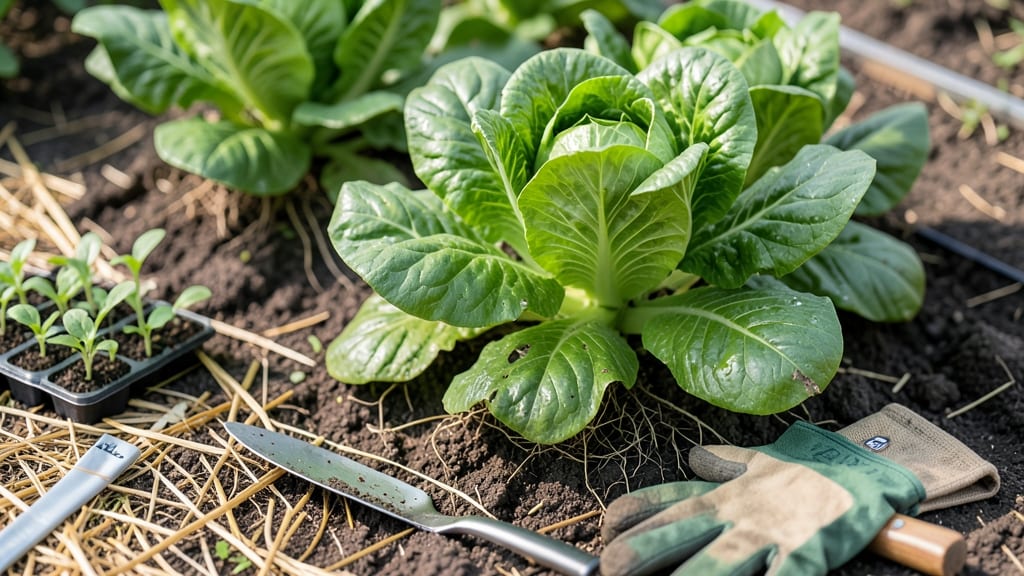
Knowing when to plant lettuce in Zone 6b makes the difference between crisp, homegrown 🥬 and bitter disappointment. The wrong timing can turn your garden dreams into bolting nightmares, but with the right schedule, you'll enjoy fresh greens all season long.
Zone 6b gardeners have two prime windows: early spring and late summer. Planting too early risks frost damage, while waiting too long means heat stress. I'll break down the exact dates and conditions for each season so you can maximize your harvest potential.
Whether you're a beginner or seasoned gardener, these insights will help you avoid common mistakes. From soil temperature tips to succession planting strategies, you'll learn how to keep your lettuce thriving from March through November.
Let's dive into the perfect planting timeline that will have you harvesting crisp, delicious lettuce all season. Your garden's best harvest starts with knowing exactly when to plant!

Optimal lettuce planting dates in Zone 6b for maximum yield
Timing your lettuce planting in Zone 6b is the secret to avoiding bitter flavors and bolting—those unwanted flower stalks that turn your salad greens into tough, seedy disappointment.
The last average frost date in this zone is around April 15, and the first frost typically arrives by October 15. This gives you a 165-day frost-free window, perfect for two main planting seasons with a little strategic planning.
For the best results, focus on early spring and late summer plantings. Spring lettuce thrives when soil temperatures stay below 75°F, while fall crops benefit from cooler evenings.
Heat-tolerant varieties like 'Black Seeded Simpson' or 'Jericho' can even handle summer's edge if planted in late August for a fall harvest.
| Season | Planting Window | Soil Temp Threshold | Key Varieties | Harvest Time |
|---|---|---|---|---|
| Early Spring | March 15 - April 15 | 40-60°F | Buttercrunch, Romaine, Bibb | May - June |
| Late Summer | August 1 - August 15 | Below 75°F | Black Seeded Simpson, Jericho | September - October |
| Fall | September 1 - September 30 | 50-65°F | Winter Density, Arctic King | October - November |
My top recommendation for Zone 6b gardeners is to start with 4-6 weeks before your last frost date. This means sowing seeds indoors or directly in the garden by mid-March for a May harvest.
For fall, aim to plant 8-10 weeks before your first frost, so late August seedings will be ready by October.
Don't forget about succession planting! Every 2-3 weeks after your initial planting, add another round of seeds to keep a steady supply. This works especially well for leaf lettuce varieties like 'Salad Bowl', which mature in just 30-40 days.
You'll enjoy fresh greens from late spring through early fall without gaps.
For summer lettuce, the key is shade protection. Use 30-50% shade cloth to block intense afternoon sun while still allowing morning light. This trick lets you squeeze in a late-summer planting (around August 1) that might otherwise bolt too quickly.
Pair this with heat-tolerant varieties like 'Jericho' for the best results.
Always check your soil temperature before planting—lettuce roots struggle in soil warmer than 75°F. Use a soil thermometer to confirm conditions are ideal. If your soil runs hot, opt for container growing with morning sun exposure only, which keeps roots cooler.
Pro tip: Direct sowing works best for lettuce—it dislikes being transplanted. Scatter seeds ¼ inch deep, 12-18 inches apart, and keep soil moist until germination (typically 7-14 days). Thin seedlings to 12 inches apart to prevent overcrowding and disease.
Remember, fall lettuce often tastes sweeter because of cooler nights. Try 'Winter Density' or 'Arctic King' for cold-hardy varieties that can withstand light frosts. These will give you harvests well into November if planted by September 15.
With these Zone 6b planting dates and variety choices, you'll enjoy crisp, homegrown lettuce from late spring through fall—no bitter aftertaste in sight! 🥬
How to extend your lettuce harvest season in Zone 6b
Zone 6b’s hot summers can turn your lettuce into bitter, bolted frustration—but with the right strategies, you can enjoy crisp harvests from spring through fall. The key? Succession planting, shade solutions, and heat-tolerant varieties that thrive when temperatures dip in late summer.
Start by choosing bolt-resistant varieties like Romaine or Buttercrunch, which handle 75°F+ temps better than delicate leaf lettuces. Pair them with succession sowing every 2-3 weeks from March through August to keep a steady supply.
For summer survival, use 30-50% shade cloth to block intense afternoon sun while allowing morning light. This keeps soil temps below 80°F—lettuce’s heat tolerance limit. Water deeply in the early morning to prevent stress and mulch with straw or grass clippings to retain moisture.
🌱 5 Proven Techniques to Extend Your Lettuce Season
- Succession Plant: Sow every 2-3 weeks from March to August for continuous harvests.
- Use Shade Cloth: Install 30-50% shade in summer to prevent bolting.
- Choose Heat-Tolerant Varieties: Opt for Romaine or Butterhead over delicate types.
- Water Strategically: Morning watering (1 inch/week) keeps roots cool and healthy.
- Extend Fall Harvests: Start 8-10 weeks before first frost (early September) for October-November crops.
Fall planting is your second chance for lettuce in Zone 6b. Begin seeds 8-10 weeks before your first frost (around September 1st for most 6b regions). Use row covers to protect young plants from light frosts (down to 20°F) and extend harvests into November.
Don’t forget container gardening for small spaces! Dwarf varieties like Little Gem thrive in 5-gallon pots and can be moved to shadier spots during heatwaves. Just ensure pots have drainage holes and use lightweight potting mix to prevent drying.
With these tactics, you’ll avoid the summer slump and enjoy homegrown lettuce year-round—no bitter bolting in sight! 🥬