
Plants
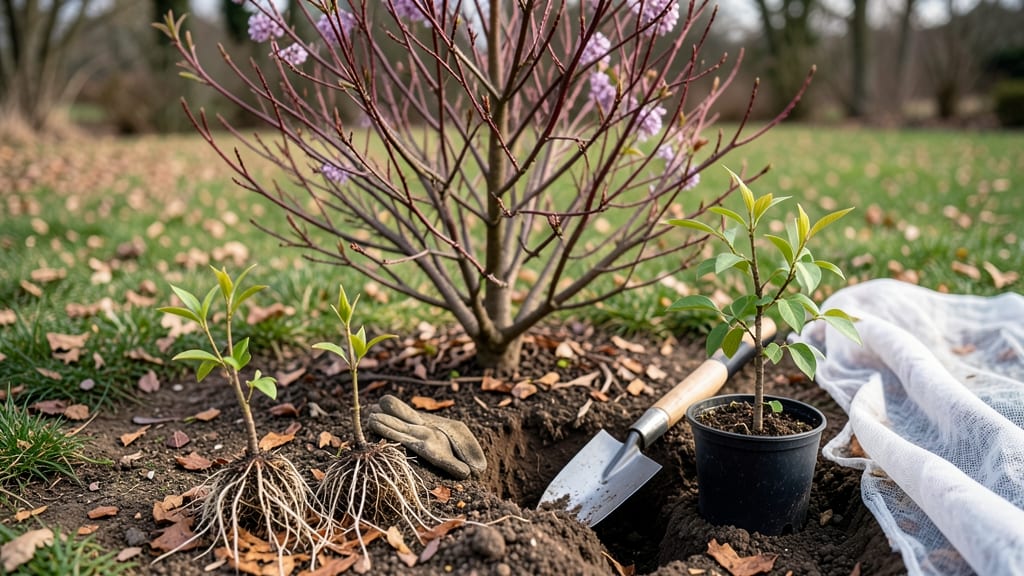
Best planting months for lilac bushes in Illinois Zones 5 & 6
Timing is everything when planting lilac bushes in Illinois' Zones 5 and 6. The 4-week window between late April and early May offers the perfect balance of warm soil and cooler air, giving roots time to establish before summer heat arrives.
This aligns with Illinois' average last frost date around April 15, though northern areas may experience delays.
For those who prefer fall planting, early September provides another ideal opportunity. The soil remains warm while daytime temperatures begin cooling, allowing roots to grow before winter dormancy.
However, avoid planting after mid-October—new roots won't have enough time to harden before first frost typically hits around October 15.
Illinois' clay-heavy soils can pose challenges, so soil temperature becomes critical. Aim for 50°F or warmer—use a soil thermometer to verify.
In Zone 5 (northern IL), wait until mid-May if early spring brings unexpected frost. Zone 6 gardeners have more flexibility but should still avoid extreme heat (above 85°F) during planting.
🌸 Lilac Planting Timeline for Illinois
| Season | Best Months | Soil Temp | Key Considerations |
|---|---|---|---|
| Spring | Late April–Early May | 50°F+ | Post-frost; avoid heatwaves |
| Fall | Early September | 55°F+ | Before buds form; 6+ weeks before frost |
| Avoid | June–August | N/A | Stress from heat/drought |
Container-grown lilacs offer flexibility for Illinois gardeners with limited yard space. These can be planted 1–2 weeks earlier than bare-root varieties since their root systems are already established. However, container shock is a risk if planted too late—choose 3–4 gallon pots for best results and water thoroughly before transplanting.
Pro tip: Mulch heavily after planting to retain moisture and regulate soil temperature. Use 2–3 inches of organic mulch (like wood chips) and keep it 6 inches away from the stem to prevent rot.
This is especially critical in Zone 5, where temperature swings can stress young plants.
Watch for late spring frosts, which can damage new growth. If frost is forecasted within 2 weeks of planting, delay until conditions stabilize. Hardiness zone maps show Illinois' Zone 5 areas (north) experience later last frosts than Zone 6 (south), so adjust your timeline accordingly.
For urban gardeners, consider dwarf varieties like 'Miss Kim' lilacs, which thrive in containers and tolerate city pollution. These can be planted 3–4 weeks later than standard lilacs since their smaller root systems establish faster.
Just ensure your container has drainage holes to prevent root rot in Illinois' heavy clay soils.
Remember: Lilacs bloom on old wood, meaning this year's flowers form on last year's growth. Planting at the right time ensures robust root development for next year's fragrant blooms. With proper timing and Illinois-adapted care, your lilacs will reward you with scented perfection for decades.
How to prepare your Illinois garden for lilac planting success
Preparing your Illinois garden for lilac bushes isn't just about digging a hole—it's about creating the perfect microclimate for these hardy yet sensitive shrubs. Start by testing your soil pH, which should ideally be between 6.0 and 7.5.
Illinois' clay-heavy soils often need amendments like compost or peat moss to improve drainage while retaining moisture.
Choose a sunny location with at least 6 hours of direct sunlight daily. Lilacs thrive in full sun, but they also appreciate afternoon shade in Zone 6 areas where summers can get brutally hot.
Avoid low spots where cold air settles—this can delay root establishment and increase frost damage risks.
Before planting, loosen the soil to a depth of 12-18 inches to encourage root penetration. Mix in organic matter like well-rotted manure or leaf mold to improve soil structure. For container planting, use a well-draining potting mix with perlite to prevent root rot, especially critical during Illinois' humid summers.
- ☑️ Test soil pH (aim for 6.0-7.5) using a home test kit or send a sample to your local extension office.
- ☑️ Amend heavy clay soil with compost or sand to improve drainage while retaining moisture.
- ☑️ Dig planting holes twice as wide as the root ball but no deeper to prevent water pooling.
- ☑️ Add slow-release fertilizer (10-10-10) to the bottom of the hole for initial root growth.
- ☑️ Water deeply before planting to settle the soil and create a moist planting environment.
- ☑️ Mulch heavily (3-4 inches) with wood chips or straw to retain moisture and suppress weeds.
Timing your watering schedule is just as important as the amount. Water newly planted lilacs deeply once a week during the first growing season, focusing on the root zone. Illinois' unpredictable spring rains can lead to overwatering, so use a moisture meter to check soil conditions.
In containers, water every 3-5 days since they dry out faster than in-ground plants.
After planting, apply a 2-3 inch layer of mulch around the base of your lilac bushes, keeping it 2 inches away from the trunk to prevent rot. This mulch layer helps regulate soil temperature and reduces water evaporation, which is especially beneficial during Illinois' hot, dry summers.
Replenish mulch annually in early spring before new growth begins.
For container-grown lilacs, choose pots with drainage holes and use a lightweight potting mix to prevent compaction. Move containers to a protected location before the first frost (around October 15 in most of Illinois) to shield roots from freezing temperatures.
Grouping containers together also helps create a microclimate that retains heat better than exposed plants.
Remember, lilacs are perennials that reward patience. With proper soil preparation and post-planting care, your Illinois garden will soon be filled with fragrant blooms that last for decades.
The key is consistency—good drainage, regular watering, and proper mulching will set your lilacs up for success from day one. 🌿