
Plants
Timing your lily planting perfectly in the Northeast can mean the difference between stunning summer blooms and months of waiting for bulbs that never thrive. Whether you're a beginner or a seasoned gardener, getting the exact Zone 5-7 schedule right is the key to success with your 🌸 lilies.
The right window ensures strong root growth before winter sets in, setting you up for vibrant flowers by mid-summer.
Most gardeners in the Northeast focus on late summer to early fall as the ideal time to plant lily bulbs. This gives them enough time to establish roots before the ground freezes.
But did you know that potted lilies have different timing needs? Understanding these nuances can save you from disappointment and help your garden flourish.
In this guide, I'll walk you through the exact months to plant lilies in your specific zone, including how to adjust for early or late frosts. You'll learn about soil preparation, depth requirements, and even how to tell if you've planted too early or too late.
Let's get your lilies off to the best possible start.
By the end, you'll have a clear planting schedule tailored to your Northeast location, ensuring your lilies emerge strong and ready to bloom beautifully. Whether you're planting bare-root bulbs or container-grown lilies, these tips will help you avoid common mistakes and maximize your garden's potential.
Best planting months for lilies in Northeast Zones 5-7
Planting lilies at the right time in the Northeast (Zones 5-7) ensures they establish strong roots before winter and bloom beautifully the following summer. The ideal window is late summer to early fall, but spring planting works too—just adjust for your specific lily variety and microclimate.
Most gardeners in the Northeast plant bare-root lilies in September or October, giving bulbs 6-8 weeks to root before frost. For potted lilies or spring-blooming varieties, early spring (March-April) is perfect. Let’s break down the exact timing for each method to avoid common mistakes.
🌱 Lily Planting Timeline for Northeast Zones 5-7
| Planting Method | Best Months | Soil Temp | Key Notes |
|---|---|---|---|
| Bare-Root Bulbs | September-October | 50-60°F | Plant 6-8 weeks before first frost for root establishment. |
| Potted Lilies | March-April | 45-55°F | Transplant after last frost when soil is workable. |
| Spring Planting | April-May | 55-65°F | Best for late-blooming varieties like Oriental lilies. |
| Container-Grown | May-June | 60°F+ | Use well-draining pots and fertilize monthly. |
For Zone 5, aim to plant by October 1 to avoid winter stress. In Zone 7, you can extend planting until November 1 since frosts arrive later. Always check your local last frost date—planting too early in cold soil can cause rot.
If you miss the fall window, don’t worry! Spring planting (April-May) works well for Asiatic and Martagon lilies, which tolerate cooler soils. Just ensure the ground isn’t frozen or waterlogged. For Oriental hybrids, spring planting is ideal—they thrive with warmer soil.
Pro tip: Test your soil’s drainage before planting. Lilies hate soggy conditions, so amend heavy clay with compost or sand. A quick percolation test (dig a hole, fill with water, and time how long it drains) will save your bulbs from rot.
In urban areas like NYC or Boston, microclimates can shift planting by 2-3 weeks. If your garden stays warmer (e.g., near buildings or pavement), plant slightly later. Conversely, rural areas with colder soils may need an earlier start.
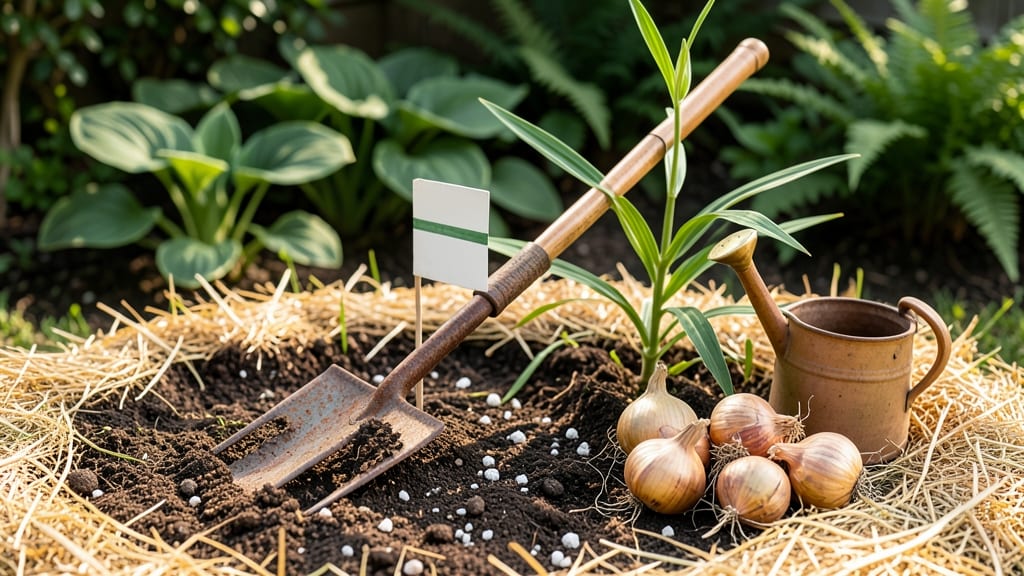
After planting, mulch with 2-3 inches of straw or shredded leaves to insulate bulbs and retain moisture. This is especially critical in Zone 6, where temperatures fluctuate wildly. Remove mulch in early spring to prevent fungal issues.
Remember: Daylilies (Hemerocallis) follow a different schedule—they’re hardier and can be planted in early spring or fall. But true lilies (Lilium spp.) need that precise timing for best results.
🌿
Best planting months for lilies in Northeast Zones 5-7
In the Northeast, where frost dates shift dramatically between Zone 5 and Zone 7, timing your lily bulbs correctly is key to avoiding rot or stunted growth.
Most gardeners swear by late summer to early fall planting for true lilies, but spring is ideal for potted lilies or tender varieties. Let’s break down the best windows to plant by month, so you can align your schedule with your local climate.
The optimal planting window for Northeast lilies spans from late August through mid-October, giving bulbs time to establish roots before winter. However, if you’re in Zone 7, you can push planting into early November, while Zone 5 gardeners should aim to finish by mid-October to avoid early frosts.
Spring planting is also viable—just wait until after your last frost date (typically early May in Zone 5).
Why this timing? Lilies need 6-8 weeks of root growth before winter dormancy. Planting too early risks rot from excess moisture, while planting too late leaves bulbs vulnerable to freeze damage. The goal is to strike a balance where roots anchor before the ground hardens.
🌱
| Month | Zone 5 | Zone 6 | Zone 7 |
|---|---|---|---|
| August | ✅ Ideal | ✅ Ideal | ✅ Ideal |
| September | ✅ Ideal | ✅ Ideal | ✅ Ideal |
| October | ✅ Ideal (early) | ✅ Ideal | ✅ Ideal (late) |
| November | ❌ Too late | ⚠️ Risky | ✅ Possible (early) |
| April-May | ✅ Spring option | ✅ Spring option | ✅ Spring option |
🌿 Note: Spring planting works best for potted lilies or tender varieties like Oriental hybrids.
For Asiatic lilies, which bloom earlier, aim for late August to early September planting. They’re more cold-hardy and can handle Zone 5 winters with ease. Meanwhile, Oriental lilies, prized for their fragrance, benefit from September planting to extend their root growth before frost.
Always check your local USDA Zone map—even a few miles can shift your ideal window by weeks.
Pro tip: If you miss the fall window, spring planting is your backup. Just wait until the soil warms to 50°F and all frost risk has passed. Container-grown lilies adapt better to spring planting than bare-root bulbs, so prioritize those if you’re playing catch-up.
Remember, well-draining soil is non-negotiable. Amend heavy clay with compost or sand to prevent bulb rot—a common issue when planting too early in wet Northeast springs. With the right timing, your lilies will reward you with bold blooms from mid-summer to early fall.
🌸