
Plants
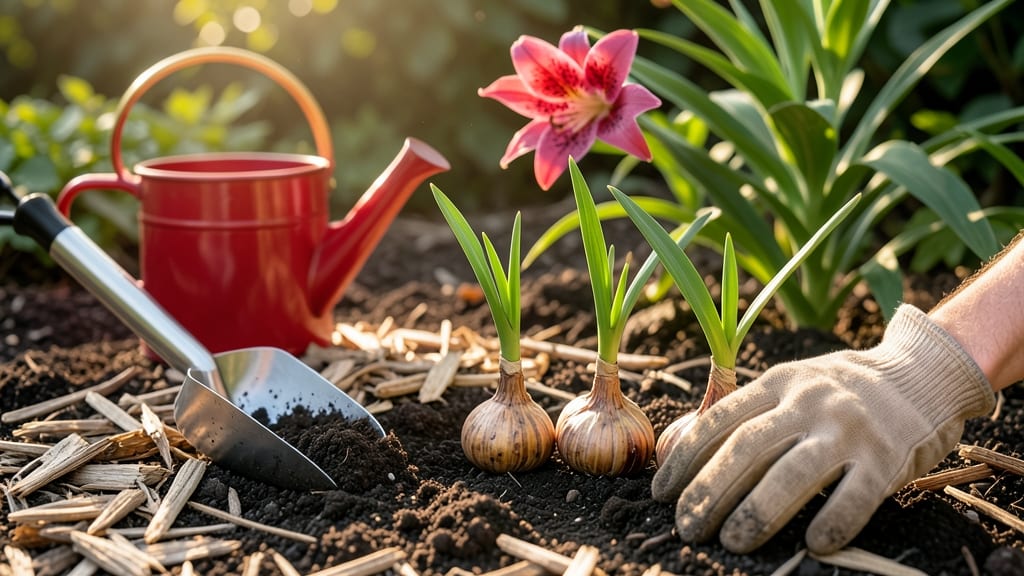
Timing your lily bulb planting in Colorado could mean the difference between a garden full of 🌸 blooms and a winter loss.
The fall window of September to October is ideal, but Colorado’s Zone 5-7 climate demands precision—especially with unpredictable frost dates that can sneak in as early as October or linger into May.
If you plant too late, your bulbs might not establish roots before winter’s chill sets in. Too early, and they could sprout prematurely, only to be nipped by a surprise frost.
The key is knowing your specific microclimate—whether you’re in Denver’s high-altitude Zone 5 or Colorado Springs’ slightly milder Zone 7—and adjusting your schedule accordingly.
In this guide, I’ll break down the exact planting deadlines for each zone, plus pro tips to extend your window if Mother Nature throws a curveball.
You’ll learn how to protect your bulbs from late frosts, choose the right varieties for Colorado’s climate, and even decide whether spring planting might work for you.
By the end, you’ll have a clear, frost-proof plan to get your lilies in the ground at the perfect time—so you can enjoy those showstopping summer blooms without the guesswork.
Colorado’s frost-free planting deadlines for lily bulbs by Zone
Colorado’s three distinct USDA zones (5, 6, and 7) create wildly different planting windows for lily bulbs. In Zone 5 (Denver, Fort Collins), your last frost typically arrives May 10–20, while Zone 7 (Colorado Springs, Pueblo) sees frost-free soil by April 15–May 1.
These dates dictate whether you’ll plant in fall or spring—and whether your bulbs survive the winter.
Fall planting is ideal for Colorado lilies because it gives roots time to establish before winter. However, planting too early (before soil cools to 60°F) risks rot, while waiting too late (after first frost) can stunt growth.
Let’s break down the exact deadlines for each zone to avoid costly mistakes.
| Zone | Last Frost Date | First Frost Date | Fall Planting Window | Spring Planting Window |
|---|---|---|---|---|
| Zone 5 (Denver, Fort Collins) | May 10–20 | October 1–15 | September 1–October 15 | April 15–May 10 |
| Zone 6 (Grand Junction, Salida) | April 20–May 5 | October 10–20 | August 15–October 20 | April 1–April 20 |
| Zone 7 (Colorado Springs, Pueblo) | April 15–May 1 | October 20–November 5 | September 1–November 1 | March 20–April 15 |
*Adjust 1–2 weeks earlier for high-altitude gardens (e.g., Boulder, Aspen).
In Zone 5, aim to plant lily bulbs between September 1 and October 15—this ensures roots establish before soil freezes. For Zone 6, you’ve got a longer window (August 15–October 20), but avoid planting after October 1 unless you use row covers to protect from early frosts.
Zone 7 gardeners enjoy the most flexibility, with a two-month window (September 1–November 1). However, planting after October 15 risks bulbs not rooting deeply enough before winter. If you miss fall planting, spring planting is your backup—but bulbs may bloom later in the season.
Pro tip: Check your local CoCoRaHS frost reports (available online) for real-time adjustments. A sudden early frost in September can shrink your window by weeks, especially in high-altitude areas like Estes Park or Leadville.
For spring planting, wait until soil temperatures reach 55°F (use a soil thermometer) and all frost risk has passed. In Zone 5, this is typically mid-April to early May, while Zone 7 can start as early as late March.
Remember: Lily bulbs planted in fall will bloom 1–2 weeks earlier than spring-planted bulbs. If you’re growing Lilium martagon (Martagon Lily) or Lilium regale (Regal Lily), these cold-hardy varieties handle Colorado winters better and can even be planted as late as late October with proper mulching.
🌱
How to choose between spring vs. fall planting for Colorado lilies
Colorado’s short growing season and variable frost dates make choosing between spring vs. fall planting a critical decision for lily bulbs. While most gardeners default to fall planting, spring offers a backup option if conditions aren’t ideal.
Let’s weigh the pros and cons for your specific USDA Zone 5-7 location.
Fall planting (September–October) is the gold standard for Colorado lilies. Bulbs establish roots before winter, giving them a head start in spring. However, our early snowfalls or freeze-thaw cycles can disrupt this process.
In Zone 5 (Denver), aim to plant by mid-October—any later risks bulbs rotting before dormancy sets in.
Spring planting (March–April) is riskier but works if you missed the fall window. The challenge? Slow soil warming in Colorado’s high-altitude zones delays root growth. Plant as soon as soil reaches 50°F, but be prepared for late frosts that can damage tender shoots. Mulch heavily to protect emerging stems.
Fall Planting (Sep–Oct)
- ✅ Bulbs establish roots before winter
- ✅ Lower risk of frost damage to shoots
- ✅ Earlier blooms next season
- ❌ Late snow can bury bulbs
- ❌ Soil may stay too wet in fall
- ❌ Limited window (Zone 5: by Oct 15)
Spring Planting (Mar–Apr)
- ✅ Backup if fall planting failed
- ✅ Warmer soil speeds root growth
- ✅ Avoids fall moisture issues
- ❌ Late frosts may kill shoots
- ❌ Slower establishment = fewer blooms
- ❌ Requires heavy mulching
For Zone 6 (Colorado Springs), fall planting extends slightly to early November, but monitor weather forecasts. In Zone 7 (Grand Junction), you have until late November, but soil must be dry to prevent rot.
If planting in spring, use black plastic mulch to warm soil faster and protect young shoots.
Pro tip: Test your soil’s moisture retention before planting. Sandy soils dry out too quickly in fall, while clay holds too much water. Amend with compost or perlite to strike the right balance.
For high-altitude gardens, Lilium martagon (Martagon lily) is the hardiest choice—it tolerates colder soils and shorter seasons better than tropical hybrids.
Remember: The key to success is planting when soil temps are consistently above 50°F and 4-6 weeks before frost. Use a soil thermometer to avoid guesswork. With the right timing, your lilies will reward you with stunning summer blooms year after year. 🌸