
Planting
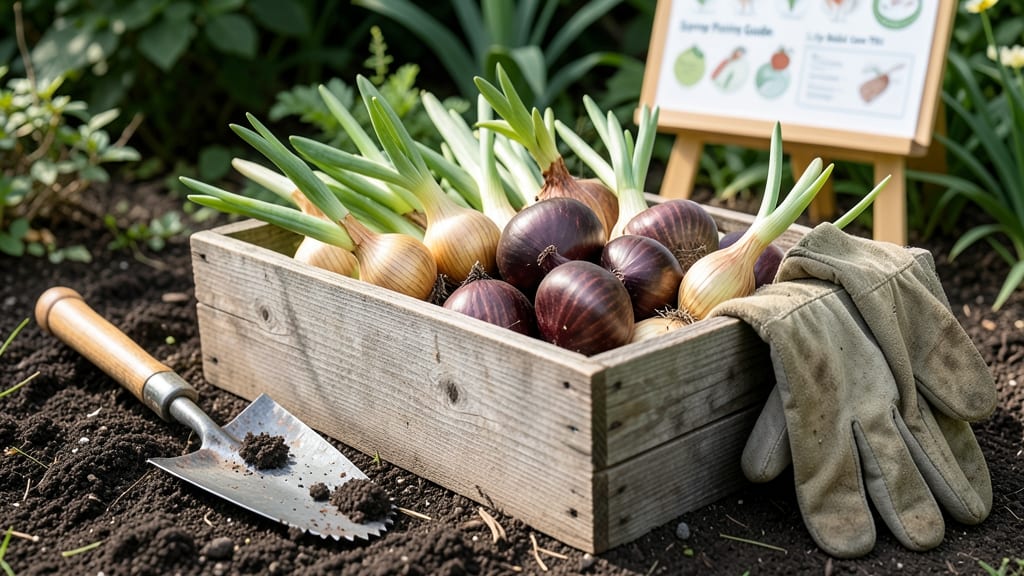
Best months to plant lily bulbs by US hardiness Zone
Planting lily bulbs at the right time ensures strong root growth before winter—this means fall planting is your best bet for most US hardiness zones. Aim for 4-6 weeks before the first frost, giving bulbs time to establish roots without sprouting too early.
For example, in Zone 5, that’s typically mid-September to early October, while Zone 8 gardeners can plant until late November.
If you miss the fall window, you can plant in early spring (as soon as the soil is workable), but spring-planted bulbs often bloom later or produce fewer flowers. Late spring planting (after mid-April) risks shallow roots and weak growth.
Always check your local frost dates—they’re your planting guide!
Here’s a quick reference for zone-specific timing to help you plan:
| USDA Zone | Ideal Planting Window | Temperature Threshold | Notes |
|---|---|---|---|
| Zones 3-4 | Late August to mid-October | Soil 50-60°F | Cold climates; plant early to avoid frost. |
| Zones 5-6 | Mid-September to early November | Soil 55-65°F | Most popular zone; fall is ideal. |
| Zones 7-8 | October to December | Soil 60-70°F | Warmer zones; plant later in fall. |
| Zones 9-10 | November to January | Soil 65°F+ | Mild winters; plant even in winter. |
For early blooming varieties (like Asiatic lilies), plant bulbs slightly earlier in fall to encourage robust growth. Late-blooming types (such as Oriental lilies) can handle a later fall planting, but avoid planting after ground freezes—this kills bulbs before they root.
Pro tip: If you’re unsure about your zone, use the "back of the hand" test. Press your hand into the soil—if it’s easily workable but cool, it’s time to plant. Too wet or too warm? Wait a few days. Patience pays off with lily bulbs!
Spring planting is possible but riskier. If you plant in March or April, mulch heavily to protect bulbs from late frosts. Never plant after the last frost—bulbs need time to root before summer heat sets in. For best results, stick to fall planting whenever possible.
Regional variations matter! In Pacific Northwest zones (e.g., Zone 7-8), plant in October-November to avoid wet winters. In Southern states (e.g., Zone 9+), you can plant as late as January—just ensure soil isn’t waterlogged. Adjust for your microclimate!
One common mistake? Planting too close to winter. If your area has early frosts (like Zone 4), aim for late August planting. In contrast, Zone 10 gardeners can plant through December. Always check your local almanac for precise dates.
Remember: Lily bulbs store energy over winter, so planting at the right time means bigger blooms next year. With the right timing, your lilies will reward you with stunning, fragrant flowers from late spring to summer. Happy planting!
How to prepare lily bulbs for planting: soil, depth, and spacing
Preparing your lily bulbs for planting is just as important as timing. The right soil conditions, planting depth, and spacing set the stage for strong root growth and stunning blooms next season. I’ll walk you through each step to ensure your lilies thrive from day one.
Start by choosing a well-draining location—lilies hate soggy soil. Amend heavy clay with compost or sand to improve drainage. A pH of 6.1 to 7.5 is ideal, so test your soil if unsure. If it’s too acidic, add lime; if too alkaline, use sulfur to balance it.
Planting depth is critical: 6 to 8 inches deep ensures stability and protects bulbs from frost. Dig holes with a spade, placing each bulb pointy end up (this mimics their natural growth pattern). Space bulbs 6 to 12 inches apart, depending on the variety—dwarf lilies need less room, while standard types benefit from wider spacing.