
Plants
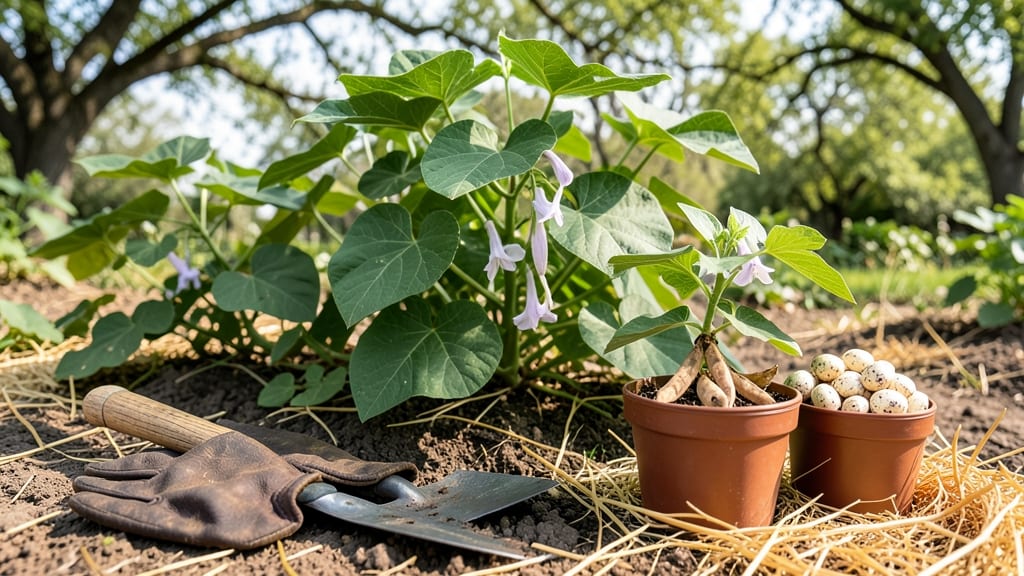
Timing your lima bean planting in Zone 9 isn’t just about avoiding frost—it’s about catching that sweet spot between 60°F soil and summer’s relentless heat. If you’ve ever watched your beans bolt or wilt before producing pods, you know how critical this window is for a successful harvest.
In Zone 9 (think Southern California’s inland valleys or Arizona’s desert gardens), the key is planting late winter to early spring—typically between February and March—when soil temperatures finally climb to that magic 60°F threshold.
But here’s the catch: coastal areas like San Diego may have cooler microclimates, while inland spots like Phoenix can push planting even earlier.
I’ll break down the exact soil temperature triggers, heat-resistant varieties that actually thrive in 90°F+ conditions, and pro tips to extend your harvest—because in Zone 9, beating the heat is half the battle. Let’s get those 🌱 lima beans growing strong.
Whether you’re direct-sowing or starting seeds indoors, we’ll cover spacing, companion plants, and even how to use mulch to keep roots cool. Ready to turn your garden into a lima bean powerhouse?

Zone 9 lima bean planting timeline: soil temperature triggers for success
Timing your lima bean planting in Zone 9 hinges on soil temperature, not frost dates—since Zone 9 rarely sees frost. Aim to plant when soil temps hit 60°F (15°C) and stay consistent above 70°F (21°C) for optimal germination.
Cooler microclimates (like inland valleys) may need black plastic mulch to warm soil faster.
In Southern California, this typically falls between mid-February and early April. Coastal areas (e.g., Los Angeles) can start slightly earlier, while desert regions (e.g., Phoenix) may wait until late March.
Use a soil thermometer to confirm—lima beans won’t sprout below 60°F, even if air temps are warmer.
For direct sowing, wait until nighttime temps stabilize above 55°F (13°C). If you’re starting seeds indoors (6-8 weeks before last frost, though frost is rare), use grow lights to maintain 75-80°F (24-27°C) soil temps. Seedlings are heat-sensitive and may bolt if transplanted too early into 90°F+ heat.
Here’s your Zone 9 lima bean planting timeline, broken down by critical soil temp triggers and regional nuances:
| Stage | Action | Soil Temp (°F) | Zone 9 Region |
|---|---|---|---|
| Prep Soil | Add compost, loosen soil to 12" deep | 50-60°F | All |
| Start Indoors | Sow seeds 6-8 weeks before last frost (or late Jan) | 75-80°F | Coastal |
| Direct Sow | Plant seeds 1" deep, 3" apart | 60-70°F | Inland Valleys |
| Transplant | Move seedlings 18" apart in rows 3' apart | 70-85°F | Desert |
| Harvest Ready | Pods 4-6" long, tender | 80-90°F | All |
Pro tip: If you miss the spring window, try a fall planting in September-October for a second harvest before winter. Lima beans tolerate cooler temps better than heat, so fall often yields sweeter pods without the stress of summer’s intensity.
Monitor your local microclimate—urban areas like San Diego may need earlier planting than rural Palm Springs. Use shade cloth (30-50%) if daytime temps exceed 90°F during germination. Mulch with straw or grass clippings to retain moisture and regulate soil temps.
For succession planting, sow new seeds every 2-3 weeks until mid-May to stretch your harvest. Avoid planting after June 1—lima beans bolting (flowering prematurely) becomes a risk as days lengthen. Prioritize heat-tolerant varieties (like 'Fordhook 24') for late-season success.
🌱
Zone 9 lima bean planting timeline: soil temperature triggers for success
In Zone 9, where frost is rare and summer temperatures soar, timing your lima bean planting around soil temperature triggers is your secret weapon. Unlike cooler zones, you’re not waiting for last frost dates—you’re chasing the perfect 60-85°F soil window for germination.
This zone’s unique microclimates (coastal vs. inland) mean your February-March planting could vary by weeks, depending on location.
Start monitoring soil temps in late January using a soil thermometer—aim for 60°F (15°C) minimum for direct sowing. Coastal areas like San Diego may hit this by mid-February, while inland desert regions like Phoenix could wait until late March.
Pro tip: Use black plastic mulch to warm soil faster in cooler spots.
| Stage | Action | Soil Temp |
|---|---|---|
| Late Jan | Test soil temps | Below 60°F |
| Mid-Feb | Direct sow coastal areas | 60-65°F |
| Late March | Direct sow inland areas | 65-75°F |
| April-May | Succession plant for fall harvest | 70-85°F |
For indoor starts, begin seeds 6-8 weeks before your target outdoor date—this means January for coastal and February for inland areas. Use seedling heat mats to maintain 75-85°F soil temps for faster germination. Transplant outdoors when seedlings have 2-3 true leaves and soil stays above 60°F consistently.
Zone 9’s summer heat (90°F+) can stress lima beans, so avoid planting after mid-May unless you’re using shade cloth. Instead, plan for a fall harvest by succession planting in April-May—these beans will mature just as temperatures cool.
Always space plants 4-6 inches apart in rows 2-3 feet apart to prevent competition.
Watch for soil moisture during germination—keep it consistently damp (not soggy) until sprouts emerge. Once established, lima beans in Zone 9 tolerate drought-like conditions better than many other legumes, but deep watering 2-3 times weekly during 90°F+ heat waves prevents pod abortion.
Mulch with straw or wood chips to retain moisture and regulate soil temps.
Remember: Soil temperature > air temperature for planting decisions. Even if daytime highs are mild, check your soil at 10 AM—that’s your real planting clock. With these triggers mastered, you’ll avoid the wilting vine fate and enjoy pods ready by June in most of Zone 9.