
Plants
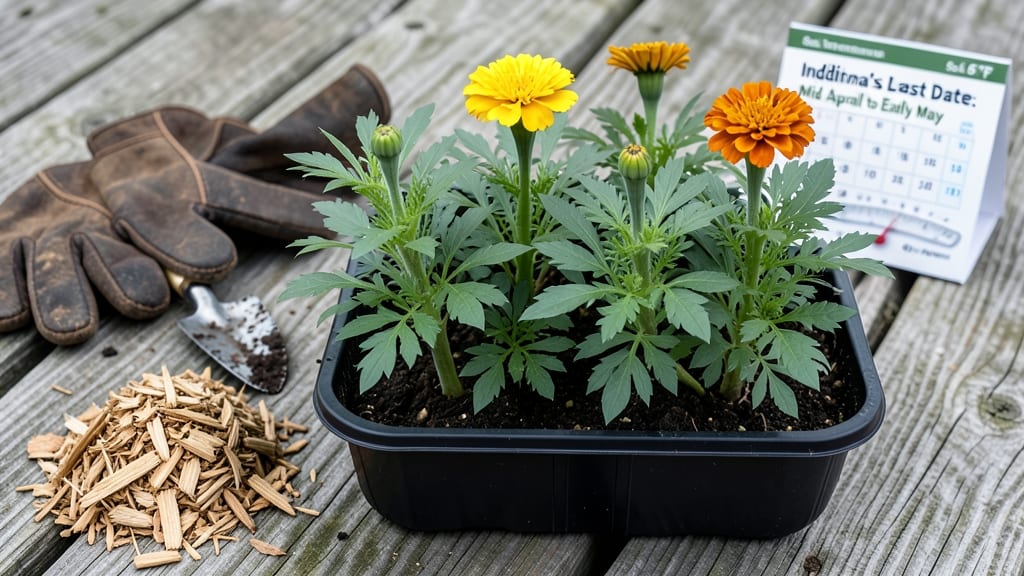
Timing is everything when it comes to growing vibrant 🌼 marigolds in Indiana, and planting them outside your zone's ideal window could mean fewer blooms or even failed growth.
With Indiana's USDA Zone 6a climate, knowing exactly when to plant these pest-repelling powerhouses makes all the difference between a thriving garden and a disappointing one.
Most gardeners in Indiana get it wrong by focusing only on spring planting, but fall is actually the secret weapon for extending your marigold season. Whether you're a first-time gardener or a seasoned pro, understanding these precise windows will help you avoid common mistakes and maximize your garden's potential.
In this guide, I'll walk you through the exact planting dates for both spring and fall in Indiana, including how to prepare your soil and what varieties work best in our climate.
You'll discover how to time your planting for stronger blooms and even learn how marigolds can protect your other plants from pests.
Ready to transform your garden? Let's dive into the zone-specific deadlines that will give you marigolds that bloom beautifully from June all the way through October - or even later if you plant in fall.
Indiana planting zones: exact dates for marigold success
Indiana’s USDA zones 5-6 create a unique challenge for marigolds—cool springs and early frosts demand precise timing. The average last frost date hovers around April 15, but northern Indiana (zone 5) can see frost until May 1.
For vibrant blooms, marigolds need warm soil (60°F+) and consistent sunlight—so planting too early risks stunted growth.
Most Indiana gardeners achieve success by planting marigolds in two key windows: early spring (after frost) and late summer (for fall blooms). French marigolds, the earliest bloomers, can even handle light frosts as seedlings, while African varieties prefer warmer soil temperatures (70°F+).
Let’s break down the exact dates and soil conditions for each zone.
📅 Key Dates for Indiana Marigolds:
| Zone | Last Frost | Spring Planting Window | Fall Planting Window | Soil Temp Requirement |
|---|---|---|---|---|
| 5 (Northern IN) | May 1 | May 15–June 1 | August 15–September 15 | 60°F+ |
| 6 (Southern IN) | April 15 | March 15–April 30 | September 1–October 15 | 65°F+ |
⚠️ Pro Tip: Test soil temperature with a soil thermometer—marigolds won’t thrive below 55°F.
For spring planting, aim to get marigolds in the ground 2-3 weeks after your area’s last frost date.
Southern Indiana’s earlier frost-free date means you can start as early as mid-March, while northern regions should wait until mid-May. African marigolds, which grow taller and bloom later, benefit from a 1-2 week delay to avoid early-season pests.
Don’t overlook fall planting—it’s a game-changer for Indiana gardens.
By seeding marigolds 8-10 weeks before the first frost (typically early September), you’ll enjoy late-season blooms that deter pests like aphids and nematodes until hard frost. Signet marigolds, with their compact size, are ideal for fall containers and borders.
Indiana’s short growing season (about 165 frost-free days) means timing is everything. If you miss the spring window, don’t despair—succession planting every 2-3 weeks in May and June ensures continuous blooms.
For container gardening, start seeds indoors 6-8 weeks before your last frost date to extend your season.
One common mistake? Planting marigolds too deeply. The seedlings’ first true leaves should sit just below soil level—burying them deeper can cause stem rot in Indiana’s humid summers. Use a lightweight potting mix with perlite to improve drainage and prevent waterlogged roots.
For maximum pest control, interplant marigolds with tomatoes and peppers in late May. Their strong scent masks plant odors that attract pests like whiteflies and spider mites. In northern Indiana (zone 5), pair them with basil to create a natural pest barrier that thrives in cooler soils.
If you’re in southern Indiana (zone 6), take advantage of the longer growing season by planting two rounds of marigolds: one in early April for summer blooms and another in mid-August for fall color. This double strategy ensures your garden stays vibrant from June through October.
Finally, remember that Indiana’s unpredictable weather can shift planting windows. Keep an eye on local weather forecasts and adjust your timeline if unseasonable cold snaps occur. With the right timing, your marigolds will thrive, repel pests, and brighten your garden from spring to frost.
Indiana planting zones: exact dates for marigold success
Indiana’s USDA hardiness zones 5-6 create a unique window for marigold planting. The last frost date typically falls around April 15, while the first frost arrives by October 15. This means you’ve got two prime opportunities to plant marigolds: spring and fall.
Timing matters because marigolds need warm soil to germinate—at least 60°F—so don’t rush planting before the soil warms up.
For spring planting, aim to sow seeds or transplant seedlings between March 15 and April 30. This gives your marigolds enough time to establish roots before summer heat arrives.
If you’re planting in fall, start seeds or transplant 4-6 weeks before the first frost, which lands you in the September 1 to October 15 window. Fall-planted marigolds often bloom later but provide stunning color as summer winds down.
| Planting Window | Soil Temperature | Marigold Type | Bloom Time |
|---|---|---|---|
| Spring: March 15 - April 30 | 60°F+ | French, Signet, African | June - October |
| Fall: September 1 - October 15 | 55°F+ | French, Signet | October - November |
| Late Spring (Transplants) | 50°F+ | African (heat-tolerant) | July - October |
If you’re starting marigolds from seeds, direct sowing is best for Indiana’s climate. Sow seeds ½ inch deep and keep the soil moist until germination, which typically takes 7-14 days at the right soil temperature.
For faster results, buy transplants from your local nursery and pop them into the ground once the soil warms up. Just be sure to harden off seedlings for a week before transplanting to avoid shock.
Northern Indiana (zone 5) gardeners should wait until after May 1 for spring planting, as late frosts can still occur. Southern Indiana (zone 6) has a slightly longer season, so you can start as early as March 1 if you’re using row covers to protect tender seedlings.
Always check your local Indiana State Climate Office for the most accurate frost dates in your specific area.
One pro tip for Indiana gardeners: if you plant marigolds in both spring and fall, you’ll enjoy continuous blooms from June through November. This also helps deter pests like nematodes and aphids all season long.
Just remember, marigolds are annuals, so you’ll need to replant them each year for the best results.
With the right timing, your marigolds will reward you with bold colors, pest control, and low-maintenance beauty. Now that you’ve got the perfect planting schedule, it’s time to pick the best marigold varieties for your Indiana garden! 🌼