
Plants
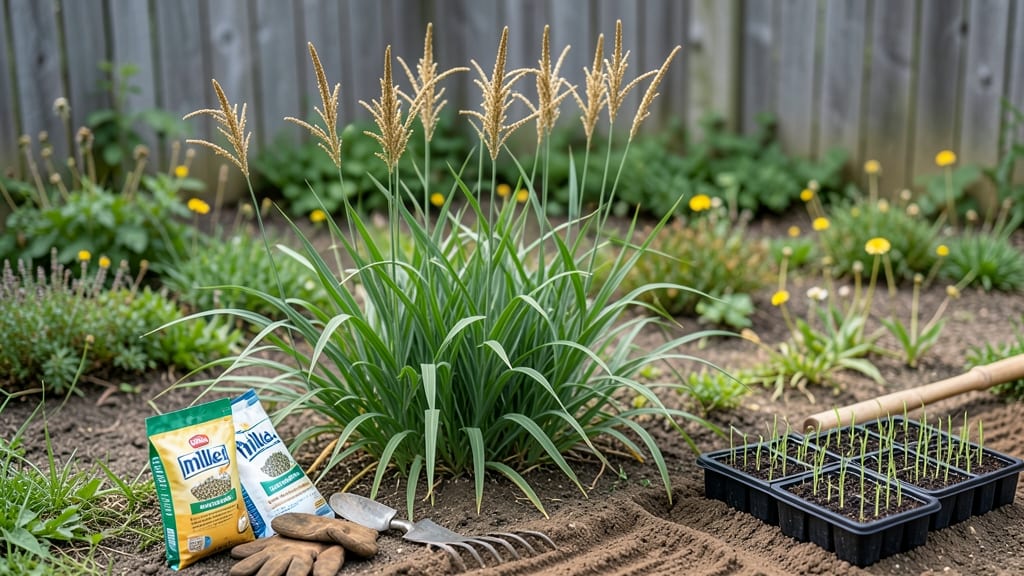
If you're a Texas gardener eager to grow nutritious, drought-resistant millet 🌱, timing your planting is the key to avoiding frost damage and maximizing yields.
The wrong window can leave your crop struggling in either scorching heat or unexpected chills, but with the right strategy, you'll harvest a bountiful crop that thrives in Texas' unique climate.
Texas spans 12 distinct growing zones, each with its own frost dates and soil warmth patterns. Whether you're in North Texas where late April is ideal or South Texas where February works best, understanding these regional differences ensures your millet gets off to the right start.
The secret lies in waiting for soil temperatures to reach at least 60°F—that's when millet really takes off.
Beyond just dates, you'll want to consider millet varieties that suit your specific region. Pearl millet loves Central Texas' heat, while foxtail millet handles North Texas' cooler springs better. I'll show you how to match your variety to your location for the most successful harvest possible.
Let's dive into the exact planting windows, soil prep tips, and weather tricks that will help you grow millet that's not just surviving but thriving in Texas' unpredictable growing season. Your garden will thank you!
Texas millet planting calendar by region: frost dates & soil warmth zones
Texas' diverse climate means millet planting windows vary dramatically from North Texas to South Texas. While millet thrives in heat, soil temperature and frost risk determine success. In Zone 8a (North Texas), wait until late April when nighttime lows stay above 50°F.
Meanwhile, Zone 9a (Central Texas) gardeners can start as early as mid-March, while Zone 10a (South Texas) offers a February planting window. These differences ensure your millet avoids late-spring frosts while maximizing summer growth.
Use USDA Plant Hardiness Zones as your guide, but don't rely solely on zone numbers. Soil warmth is the true indicator—millet seeds need 60°F+ soil to germinate reliably. A soil thermometer ($10 at garden centers) becomes your best friend.
In East Texas (Zone 8b), this typically aligns with mid-April, while West Texas (Zone 7b) may need to push planting to early May due to slower warming soils. Mountain regions like the Davis Mountains add another layer of complexity with higher elevation frost risks.
Here's the key: Plant millet after your last average frost date, but before consistent 90°F+ temperatures set in. In Houston (Zone 9a), that's March 15-April 15. In Amarillo (Zone 7b), aim for May 1-15.
This timing ensures 60-75 days of growth before summer's peak heat arrives. Pro tip: Check the National Weather Service's frost probability maps for your specific county—these show 10% frost risk thresholds that align perfectly with millet's needs.
🌱
| Texas Region | USDA Zone | Last Frost Date | Optimal Planting Window | Soil Temp Threshold |
|---|---|---|---|---|
| North Texas (Dallas/Fort Worth) | 8a | April 15 | Late April - Early May | 60°F+ |
| Central Texas (Austin/San Antonio) | 8b | March 1 | Mid-March - Late March | 60°F+ |
| South Texas (Houston/Corpus Christi) | 9a | January 15 | February - Early March | 60°F+ |
| West Texas (Lubbock/Midland) | 7b | April 1 | Early May | 65°F+ |
| East Texas (Tyler/Beaumont) | 8a-8b | March 15 | Mid-April | 60°F+ |
Don't let these regional guidelines fool you into thinking millet is a one-size-fits-all crop. Microclimates within cities create significant variations. For example, Austin's urban heat islands can push soil warming by 2-3 weeks earlier in downtown areas compared to rural outskirts.
If you're planting near concrete surfaces or dark roofs, test soil temps 1-2 weeks earlier than the regional average. Conversely, elevated areas like Hill Country may need delayed planting by 10-14 days due to cooler nights.
Another critical factor is rainfall patterns. Texas millet thrives with drought tolerance, but standing water during germination will kill seeds. In South Texas, where April showers are common, plant after the first major rainfall event has passed.
Use raised beds if your area has poor drainage—this gives you
How to time millet planting for maximum yield: soil prep & weather watch
Timing your millet planting isn’t just about the calendar—it’s about soil warmth and weather patterns. In Texas, millet thrives when soil temperatures hit 60°F or warmer, signaling it’s safe from frost damage.
I’ve learned the hard way that rushing planting can leave young shoots vulnerable to late frosts, even in North Texas. The key? Wait for consistent warmth and monitor 7-day forecasts for rain-free windows.
Start by testing your soil with a soil thermometer—this small tool saves hours of guesswork. Dig it into the soil about 2 inches deep and check readings in the morning. If temperatures dip below 55°F, hold off planting.
In Central Texas, this usually means waiting until mid-April, while South Texas gardeners can plant as early as late February. Always prioritize soil warmth over calendar dates.
Another pro tip? Adjust your planting schedule based on whether you’re growing in dryland conditions or with irrigation. Dryland millet benefits from planting slightly later to avoid overwatering risks, while irrigated fields can handle earlier sowing.
I’ve seen millet bolt (prematurely flower) when planted too early in West Texas—a clear sign it’s struggling with heat stress.
🌱 **Visual Guide: Millet Planting