
Plants
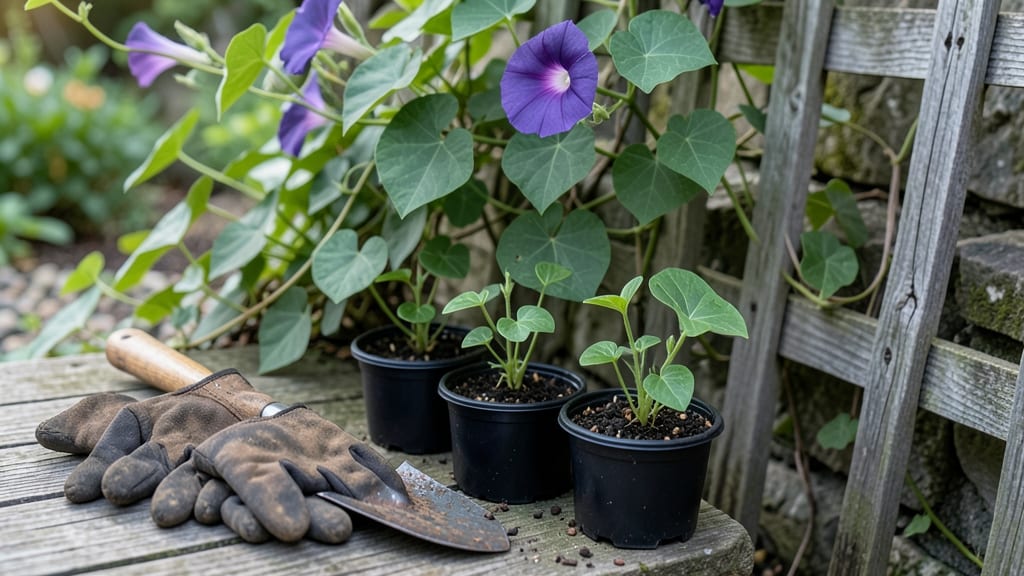
If you’ve ever dreamed of waking up to vibrant 🌸 morning glories climbing your trellis, when to plant morning glories in zone 6 is everything—especially where frost can sneak in when you least expect it.
Planting these fast-growing vines too early means risking frost damage, while waiting too long cuts your blooming season short. The key? Knowing your exact frost-free window and a few pro tricks to stretch those show-stopping flowers from summer straight into fall.
Most gardeners in Zone 6a wait until mid-April to early May after the last frost date, but there’s more to it than just calendar dates. Soil temperature matters just as much—seeds need to hit 60°F or warmer to germinate reliably.
And if you’re itching to start earlier, I’ll show you how to test soil readiness without guessing. Trust me, these fast growers (some bloom in just 60 days) won’t forgive a late start.
What you’ll discover here isn’t just about dates—it’s about creating the perfect conditions for morning glories to thrive. We’ll cover everything from choosing the right sunny spot with support (because these vines can climb 10–15 feet!) to avoiding common pitfalls like overwatering or skipping trellis prep.
Whether you’re a first-time gardener or a seasoned pro, these tips will ensure your morning glories put on a show that lasts all season long.
Ready to transform your garden into a burst of color? Let’s dive into the exact steps to time your planting for maximum blooms—and keep those 🌸 flowers coming until the first frost hits. Your future self (and your bees) will thank you.

Zone 6 morning glory planting timeline: exact dates for frost-free success
Morning glories thrive in Zone 6’s warm summers, but their 60-day bloom cycle means timing is everything. Plant too early, and frost will nip tender seedlings. Too late, and you’ll miss the peak summer blooms you love.
The key? Start seeds when soil hits 60°F+—typically mid-April to early May—after your last frost date.
Zone 6’s last frost date usually falls between April 15–May 1, but microclimates (like urban heat islands or hilltops) can shift this by 1–2 weeks. Check your local USDA Plant Hardiness Zone Map or ask your local Cooperative Extension Service for precise dates.
For reliable blooms, aim to plant 2–3 weeks after your last frost.
Here’s the critical timeline for Zone 6 gardeners:
| Stage | Action | Zone 6 Timeline | Soil Temp |
|---|---|---|---|
| Prep Soil | Loosen soil, add compost | Early April | 45°F+ |
| Direct Sow | Plant seeds ½" deep | Mid-April to early May | 60°F+ |
| Germination | Sprouts in 7–14 days | Late April to early June | 65°F+ |
| First Blooms | Expect flowers in 60–75 days | Late June to early August | 70°F+ |
| Peak Blooms | Full vines, daily flowers | July–August | 75°F+ |
| First Frost | Vines die back | Mid-October | Below 32°F |
For extended blooms, try a second planting in early June. Since morning glories are annuals, they’ll self-seed for next year if you leave vines intact. Just mulch lightly around the base to protect overwintering seeds from winter moisture.
Zone 6 gardeners in cooler microclimates (e.g., higher elevations) should wait until May 1 or later. Use a soil thermometer to confirm 60°F+ soil temps before planting—cold soil delays germination and weakens seedlings.
If your soil is still chilly, cover seeds with black plastic for a few days to warm it up.
Pro tip: Stagger plantings every 2 weeks to ensure continuous blooms. For example, plant half your seeds in late April and the rest in early May. This way, when the first batch fades in late August, the second batch will still be bursting with color.
Morning glories are frost-sensitive, so avoid planting in containers unless you’re prepared to move them indoors before October 15. Even then, they’ll bolt quickly in warm fall weather, so focus on ground planting for the best results.
If you’re in Zone 6b (warmer subzone), you might squeeze in a late-summer planting in early July for fall blooms. Just be ready to harvest seeds before frost or let vines reseed naturally. With the right timing, your morning glory trellis could be a season-long spectacle!
🌱
Zone 6 morning glory planting timeline: exact dates for frost-free success
Morning glories thrive in Zone 6's warm summers, but their 50-90 day bloom cycle demands precise timing. Plant too early, and frost will nip tender seedlings. Too late, and you’ll miss peak summer blooms.
The key is waiting for soil temperatures above 60°F and consistent daytime highs of 70°F+—typically after your last average frost date (April 15–May 1 in most of Zone 6).
In my Zone 6a garden, I’ve found that mid-April plantings (after April 15) give vines enough time to mature before the first October 15–30 frost. However, microclimates matter: gardens near lakes or valleys may experience later frosts.
Check your local USDA Plant Hardiness Zone Map for precise dates, or use a soil thermometer to confirm readiness.
🌱Pro Tip: If you’re eager to start earlier, try indoor seed starts in late March, but transplant carefully—morning glories hate root disturbance and often sulk after moving. For best results, I recommend direct sowing outdoors once the soil warms.
🌱 Zone 6 Morning Glory Planting Summary
| Stage | Action | Key Details |
|---|---|---|
| Preparation | Test soil | pH 6.0–7.0; amend with compost |
| Planting Window | Direct sow | After April 15 (Zone 6) |
| Soil Temp | Wait for | 60°F+ consistently |
| Bloom Timeline | First flowers | 60–90 days after sowing |
| Frost Watch | Protect vines | After October 15 |
For extended blooms, I plant a second batch in early June. This staggered approach ensures flowers appear from July through September, even as the first vines fade.
Morning glories are annuals, but they self-seed prolifically—so you’ll likely get volunteer plants next spring if you leave vines in place.
🌿Warning: Avoid planting in shady spots or poorly drained soil. Morning glories need full sun (6+ hours daily) and well-draining earth to prevent rot. If your garden has heavy clay, amend with sand or compost to improve drainage before sowing.
Remember, morning glories are fast growers—some varieties like 'Heavenly Blue' bloom in just 50 days. By planting at the right time, you’ll enjoy vibrant trumpet-shaped blooms all summer long, turning your trellis into a living tapestry of color. 🌸