
Plants
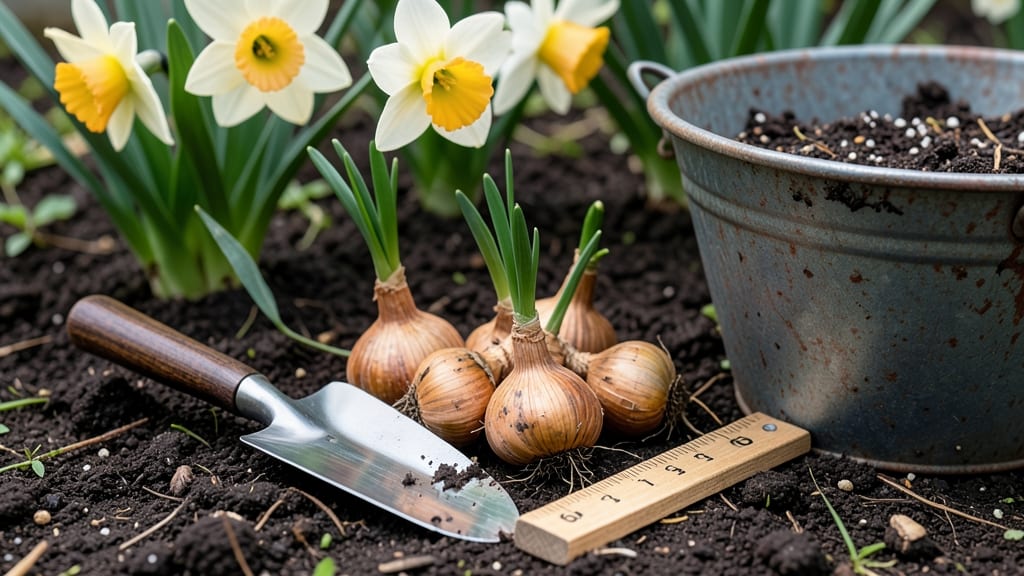
Planting daffodil bulbs in Maryland at the wrong time could mean the difference between a vibrant spring display and a wasted investment.
The key to success lies in understanding your local frost dates and soil conditions—especially in USDA zones 7a-7b, where timing can shift dramatically between coastal and inland areas.
Most Maryland gardeners aim to plant their 🌼 daffodil bulbs between October and November, but getting it just right means accounting for factors like soil temperature and moisture.
Plant too early, and frost might damage the delicate roots; too late, and your daffodils may not bloom until summer—missing their prime spring show.
I’ll walk you through the exact window for your specific zone, plus how to prep your soil for optimal growth. Whether you’re in the Piedmont region or near the Chesapeake Bay, these tips will help you avoid common pitfalls and ensure your daffodils thrive year after year.
Ready to transform your garden into a sea of cheerful yellow and white? Let’s dive into the science-backed schedule that’ll have your daffodils popping up right on schedule—no guesswork required.
Maryland daffodil planting calendar by hardiness Zone (USDA 6b-7b)
Maryland’s USDA Zones 6b and 7b create distinct planting windows for daffodils, with coastal areas (like Annapolis) often 2-3 weeks earlier than mountain regions (like Deep Creek Lake). The key?
Planting when soil temps hit 40-50°F—that’s your frost-free signal for bulb success. Most gardeners aim for mid-October to early November, but let’s break it down by zone.
In Zone 6b (western Maryland mountains), your last frost typically arrives April 15-20, so bulbs need 10-12 weeks underground before sprouting.
That means late September to mid-October is your sweet spot. Zone 7b (eastern Piedmont/coastal) can wait until mid-October to early November—just 6 weeks before the first frost (usually November 15).
Here’s the golden rule: Plant daffodil bulbs 6-8 weeks before hard frost. Use Maryland’s average first frost dates as your guide—not the calendar. For example, Baltimore (Zone 7a/b) averages frost by November 10, while Frederick (Zone 6b) might see frost by October 25. Adjust accordingly!
Pro tip: Soil temperature matters more than air temperature. Use a soil thermometer ($10 at garden centers) to confirm 40-50°F at 6-inch depth. If it’s warmer, wait; if colder, plant deeper (8 inches) for extra frost protection. Maryland’s unpredictable fall weather makes this step non-negotiable.
Why depth varies by zone? Coastal soils (often sandy) dry out faster, so bulbs need less coverage. Mountain soils (clay-heavy) retain moisture longer, requiring deeper planting to prevent rot.
Always plant bulbs pointy-end up, with 3x their height of soil above them. For standard daffodils (6-inch bulbs), that’s 6–8 inches deep.
Missed the window? Don’t panic. You can plant daffodils as late as December in Maryland’s milder zones (7a/7b), but expect smaller blooms next spring. The bulbs need at least 6 weeks of cool soil to establish roots.
For emergency planting, use a thick mulch layer (4–6 inches) to insulate bulbs until spring. Just avoid planting after ground freezes solid—that’s a sure way to kill your bulbs.
Maryland’s microclimates mean your neighbor’s perfect timing might not work for you. Check your local USDA frost map or use the Maryland Department of Agriculture’s frost data for hyper-local insights.
For example, Cumberland (Zone 6b) might need bulbs in by October 1, while Ocean City (Zone 7b) can wait until November 1. When in doubt, plant early—daffodils handle extra cold better than late planting.
One more pro move: Pre-chill bulbs if planting early. Store them in your crisper drawer (35–40°F) for 4–6 weeks before planting to mimic winter conditions. This trick boosts root growth and ensures vibrant blooms by April.
Just skip this step if you’re planting at the optimal window—Mother Nature’s already doing the work!
Remember: Daffodils planted in Maryland’s fall reward you with 3–5 years of blooms if cared for properly. Start with the right timing, and you’ll beat frost, outsmart squirrels, and enjoy Maryland’s first spring color every year. Happy planting!
Signs your Maryland soil is ready for daffodil bulbs (and what to do if it’s not)
Maryland’s clay-heavy soils in the Piedmont region or sandy coastal soils near the Chesapeake Bay can drastically affect daffodil bulb success. Before planting, check for these three key soil readiness signs—or risk stunted blooms or rot.
First, soil temperature must drop to 40-50°F at 6 inches deep. Use a soil thermometer (or your elbow—if it feels cool but not freezing, it’s ready). Cold soil prevents premature sprouting, which frost will kill instantly.
Next, test moisture levels. Press your finger 2 inches deep—if the soil feels damp but not soggy, it’s ideal.
Maryland’s heavy autumn rains can make clay soils too wet; if your soil stays waterlogged for more than 48 hours, amend it with compost or coarse sand before planting.
⚠️ Warning: Late Planting Risks
If your soil won’t cool below 50°F by mid-November, daffodil bulbs may sprout too early. Solution: Plant in containers and bury them in a shady spot until soil cools, or delay until December (accepting smaller blooms next spring).
For sandy soils (common near Annapolis or Ocean City), incorporate 2 inches of compost or well-rotted manure to retain moisture. Daffodils hate dry spells during root establishment—aim for consistent dampness without standing water.
Finally, pH matters. Maryland soils often test acidic (pH 5.0-6.0). Daffodils thrive in neutral to slightly alkaline soil (pH 6.5-7.0). Test your soil with a home kit (available at Tractor Supply or local nurseries), and amend with lime if needed—apply 3 months before planting.
Pro tip: If you’re planting in heavy clay, loosen the soil 8-10 inches deep with a broadfork to improve drainage. This mimics Maryland’s woodland edge habitats, where wild daffodils naturally grow.
Once your soil passes these checks, plant bulbs 6-8 inches deep, 3x their height, with 2-3 inches between bulbs. For Maryland’s unpredictable winters, add a 2-inch layer of mulch (pine straw or shredded leaves) after planting to insulate bulbs.