
Plants
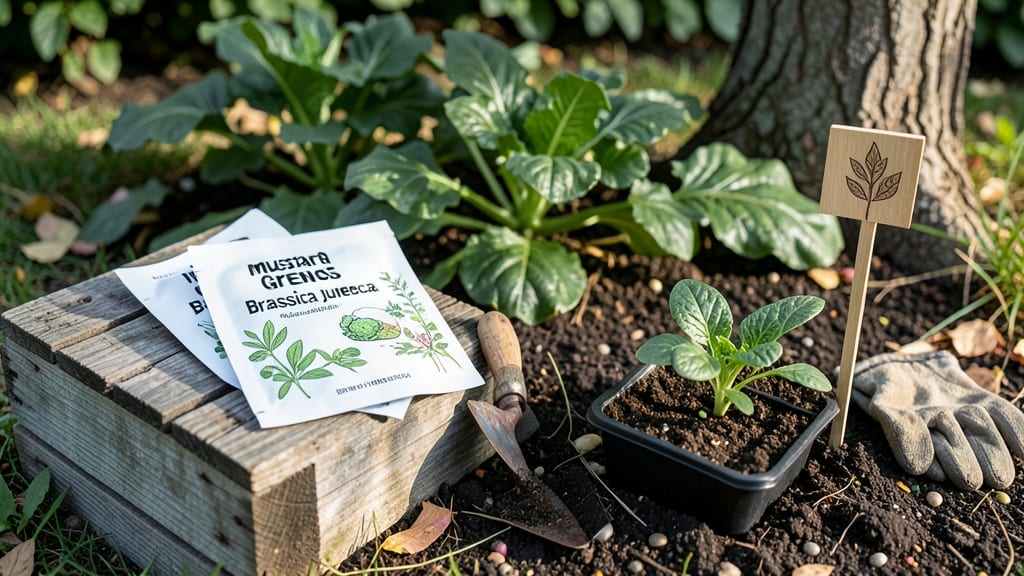
Knowing when to plant mustard greens in Mississippi can mean the difference between a bountiful harvest and a wasted effort—especially when summer heat or winter frost threatens your crop. 🥬 The key is planting at the right time to avoid bolting (when greens turn bitter) or freezing before they mature.
Mississippi’s 7b-9a climate gives you a longer window than many states, but timing still matters. Start too early in summer, and your mustard greens will bolt; too late, and winter chill will stunt growth.
The ideal planting window runs from late August through early March, with peak harvests possible from October to May.
What makes this even more exciting? Mustard greens grow fast—just 30 to 40 days to harvest—so you can enjoy fresh greens without waiting months. I’ll show you exactly how to time your plantings for maximum yield, whether you’re a beginner or a seasoned gardener.
Ready to grow your own? Let’s dive into the frost-free planting schedule that works for Mississippi’s unique climate—no guesswork, just results.
Mississippi mustard greens planting calendar: month-by-month frost-free guide
Mustard greens thrive in Mississippi’s cool-season climate, but timing is critical to avoid heat stress or frost damage. The state’s USDA Zones 7b-9a allow for two primary planting windows: fall and spring.
Let’s break down the exact months, soil temperatures, and regional adjustments you need for a successful harvest.
For fall harvests, start seeds 4-6 weeks before the first frost (typically late August to early September). In North Mississippi (Zones 7b-8a), aim for September 1–15 to ensure mature greens before winter chill sets in.
In South Mississippi (Zone 9a), you can push planting until October 1 due to milder winters.
Spring plantings should begin 6-8 weeks before the last frost (usually February 15–March 1). Northern regions may need to wait until late February to avoid early spring heat, while southern areas can start as early as January 15 for a faster harvest.
Mississippi Mustard Greens Planting Timeline
| Season | Planting Window | Soil Temp (°F) | Harvest Window | Notes |
|---|---|---|---|---|
| Fall | Late August–Early October | 50–70°F | October–December | Best for North MS; use row covers in late fall. |
| Spring | Mid-February–Early April | 50–75°F | March–May | Start early in South MS; avoid planting after April 15. |
| Winter (South MS) | November–January | 45–60°F | December–March | Use cold-hardy varieties like Southern Tidewater. |
Mississippi’s microclimates play a huge role in success. In North Mississippi, where winters are colder, prioritize fall plantings and use row covers to extend harvests into December. In South Mississippi, you can enjoy year-round plantings with winter varieties like Southern Giant Curled, which tolerates light frosts.
For fastest germination, aim for soil temperatures between 50–75°F. Use a soil thermometer to check—if temps drop below 45°F, delay planting until conditions improve.
In hot summers, avoid planting after April 15 in North MS or May 1 in South MS, as heat will cause bolting (premature flowering).
Choose heat-tolerant varieties like Southern Tidewater or Southern Giant Curled for Mississippi’s climate. These varieties handle short heat spells better than standard mustard greens. Always direct-sow seeds (they dislike transplanting) ½ inch deep, spacing them 2–3 inches apart in rows 18 inches apart.
After planting, mulch with straw to retain moisture and regulate soil temperature. This is especially important in spring and fall, when soil temps can fluctuate wildly. In North Mississippi, mulch also protects roots from late-winter frosts, which can damage tender greens.
Mississippi gardeners often ask: Can I plant mustard greens in summer? The answer is no—unless you’re in South Mississippi’s Zone 9a and use shade cloth. Even then, expect slower growth and bitter flavors. Stick to cool-season windows for the best results.
For a continuous harvest, stagger plantings every 3–4 weeks from September to March. This ensures you always have fresh greens without overwhelming your garden at once. Pair mustard greens with radishes or turnips to maximize space in small gardens.
🌱 Remember: Mississippi’s frost dates vary yearly, so check your local extension office for updates. With the right timing, you’ll enjoy homegrown mustard greens from October through May—just in time for your favorite recipes!
How to extend your mustard greens harvest in Mississippi’s short growing season
Mississippi’s short growing season and hot summers make it tricky to grow mustard greens year-round, but with the right strategies, you can enjoy fresh harvests for months. The key is succession planting and seasonal protection to beat heat and frost.
I’ve grown mustard greens in North Mississippi (Zone 7b) and South Mississippi (Zone 8a), and these methods work for both regions.
Start by planting your first batch 4–6 weeks before the first frost (typically late August to early September). This gives you a fall harvest before winter sets in. For a spring harvest, sow seeds 6–8 weeks before the last frost (usually mid-February to early March).
The gap between these plantings can feel long, but succession planting fills it.
🌱 Numbered Highlights: Extend Your Harvest
- 1. Succession Planting: Sow new seeds every 3–4 weeks from August to March for continuous harvests. Example: Plant one batch in late August, another in October, and a final one in February.
- 2. Row Covers: Use floating row covers in early spring (March) to protect seedlings from late frosts (common in North MS) and extend the season by 2–3 weeks.
- 3. Shade Cloth: Deploy 30–50% shade cloth in summer (June–July) to prevent bolting from heat stress. Mustard greens bolt at 80°F+, so shade keeps them cool.
- 4. Companion Planting: Pair mustard greens with onions, garlic, or radishes to deter cabbage worms and flea beetles. Avoid planting near tomatoes or peppers, which compete for nutrients.
- 5. Cold Frames: In winter (December–February), use cold frames or low tunnels to grow mustard greens even when temps dip to 25°F. These create a 5–10°F warmer microclimate.
- 6. Harvest Strategically: Pick outer leaves first to encourage regrowth. Mustard greens are cut-and-come-again crops—you can harvest the same plant for 4–6 weeks if managed well.
One of my biggest successes was using succession planting in South Mississippi (Zone 8a), where I harvested mustard greens from October to May. I planted the first batch in late August, a second in October, and a third in February.
By harvesting outer leaves and using row covers in March, I avoided frost damage and kept a steady supply.
For North Mississippi gardeners, focus on fall and early spring plantings. The shorter frost-free season (about 210 days) means you’ll prioritize late August and February plantings. Use cold frames in winter to push harvests into late April or May, just before summer heat sets in.
Don’t forget to monitor soil temperatures—mustard greens germinate best in 50–70°F soil. In hot summers, wait until evenings cool (after 7 PM) to sow seeds to avoid bolting. With these strategies, you can enjoy fresh mustard greens for nearly half the year in Mississippi’s climate.