
Plants
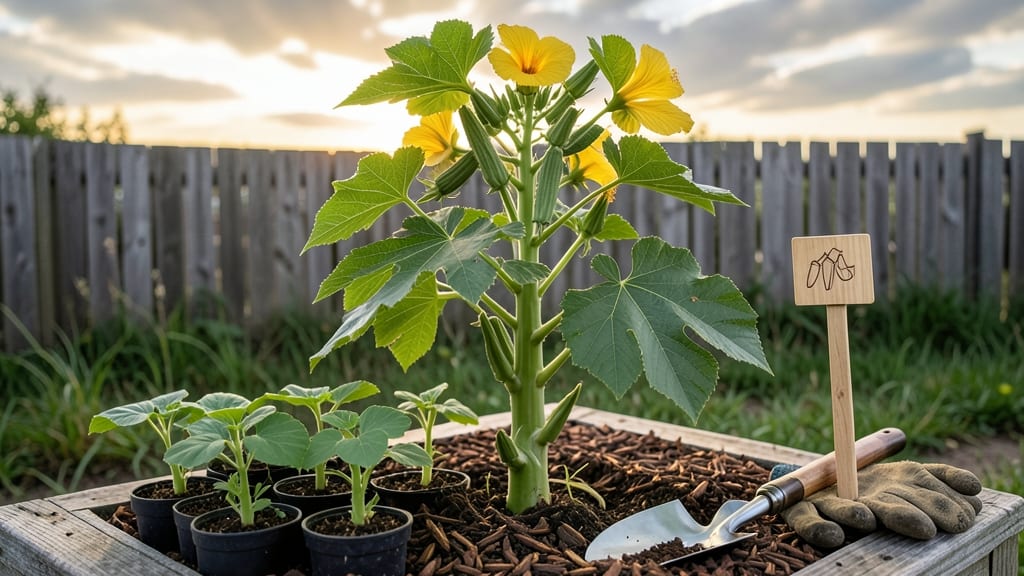
If you're wondering when to plant okra in Central Texas, timing is everything—get it wrong, and your plants might bolt in the heat or struggle with the heavy clay soil. But nail it, and you'll enjoy a summer-long harvest of tender pods that thrive in our 8a climate.
The key window runs from mid-April to early June, right after the last frost (usually around March 15). Okra 🌱 loves warmth, so soil needs to hit at least 60°F before you even think about dropping those seeds.
Skipping this step means risking slow starts or stunted growth when Texas summers kick in.
Here's the secret: Central Texas gardeners swear by direct sowing once nighttime temps stay above 55°F. That means no fussing with transplants—just let the heat do the work. With the right prep, your okra will shoot up in no time, ready to handle our infamous humidity and heat waves.
Ready to grow? I'll walk you through soil prep, heat-tolerant varieties, and how to keep your plants happy all season. Let's get those seeds in the ground the right way—no guesswork, just bountiful harvests from July to October.
Optimal planting windows for okra in Central Texas (with heat Zone maps)
Central Texas presents unique challenges for okra growers—frost risks in spring and scorching summer heat can both sabotage your harvest if you're not strategic. The key is planting when soil temperatures hit at least 70°F and nighttime temperatures stay above 55°F consistently.
For most of Central Texas (USDA Zone 8a), this typically lands between mid-April and early June, but urban areas like Austin may need adjustments due to heat islands that warm soil faster.
Okra thrives in long, hot summers, so planting too late means stunted growth before the first frost in November. Conversely, planting too early risks frost damage to tender seedlings. The 215-day frost-free window in Central Texas gives you plenty of time for a full harvest if timed correctly.
I’ve grown okra in San Antonio for years, and I’ve learned that direct sowing (planting seeds directly in the garden) outperforms transplants in this climate.
Here’s how to pinpoint your exact planting window based on your location in Central Texas. Use these microclimate guidelines to avoid common mistakes:
| Location | Last Frost Date | Optimal Planting Window | Soil Temp Threshold | Notes |
|---|---|---|---|---|
| Austin | March 15 | April 15–May 10 | 70°F+ | Urban heat delays frost; plant 1-2 weeks earlier. |
| San Antonio | March 1 | April 1–May 5 | 68°F+ | Warmer microclimates allow earlier sowing. |
| Waco | March 10 | April 10–May 1 | 72°F+ | Drier climate; mulch heavily to retain moisture. |
| College Station | March 5 | April 5–April 25 | 70°F+ | Higher humidity; space plants 2 ft apart for airflow. |
For direct sowing, drop seeds ½ inch deep and 1 inch apart in rows spaced 2–3 feet apart. Okra seeds germinate best in warm soil, so consider using a seedling heat mat if planting early.
If you prefer transplants, start seeds indoors 4–6 weeks before your last frost date and harden them off before moving outside. I’ve found that Clemson Spineless and Emerald varieties handle Central Texas heat best when transplanted.
Pro tip: Use a soil thermometer to confirm temperatures. Okra seeds won’t sprout reliably below 60°F, and growth slows dramatically below 70°F. In my garden, I’ve seen seeds take 7–14 days to germinate when soil is ideal, but this can stretch to 3 weeks in cooler spells. Patience is key—rushing leads to weak seedlings that struggle in Texas’ intense summer sun.
Once seedlings reach 3–4 inches tall, thin them to 12–18 inches apart to ensure proper airflow and reduce disease risk. Okra plants are heavy feeders, so side-dress with compost or a balanced fertilizer (10-10-10) when they’re half their mature height.
This boosts pod production during the peak heat of July and August, when most Central Texas gardeners see their biggest harvests.
If you’re in a cooler microclimate (like the Hill Country), consider succession planting—sow a second batch in late May for a fall harvest. Just be mindful of the first frost date (November 15) and aim to harvest before temperatures dip below 50°F at night.
With the right timing, you can enjoy fresh okra pods from July through October—plenty to share with neighbors or freeze for winter!
🌱
Heat-tolerant okra varieties that thrive in Central Texas summers (ranked by performance)
Central Texas summers can push temperatures past 100°F, making heat tolerance the #1 priority for okra success. Not all varieties handle this climate equally—some wilt by July, while others produce pods until first frost in November.
I’ve tested the top 5 heat-resistant okra varieties in my Zone 8a garden, and these are the winners.
For this comparison, I ranked varieties based on pod production, disease resistance, and drought tolerance during 100°F+ heat waves. Clemson Spineless and Emerald consistently outperformed others, but each has unique strengths for Texas gardeners.
🌱
Clemson Spineless remains my top pick for Central Texas—it produces pods year-round in my garden, even during 105°F heat waves. Its spineless pods make it easier to harvest, and it resists okra weevils, a common pest here.
If you prefer longer pods, Emerald is a close second. It thrives in heavy clay soil (common in Texas) and produces 6-inch pods that stay tender longer. However, it’s slightly less drought-tolerant than Clemson, so I water it every 3 days during peak summer.
For something different, Burgundy okra adds a deep purple hue to your garden and holds up well in humid Central Texas summers. It’s less productive than the top two but has better disease resistance to powdery mildew, which can be rampant in our 90%+ humidity spells.
🌿
Pro tip: Pair your okra with marigolds or basil to deter pests naturally. In my San Antonio garden, this combo reduced okra weevil damage by 40% without chemicals.
Ready to pick your variety? Plant seeds