
Plants
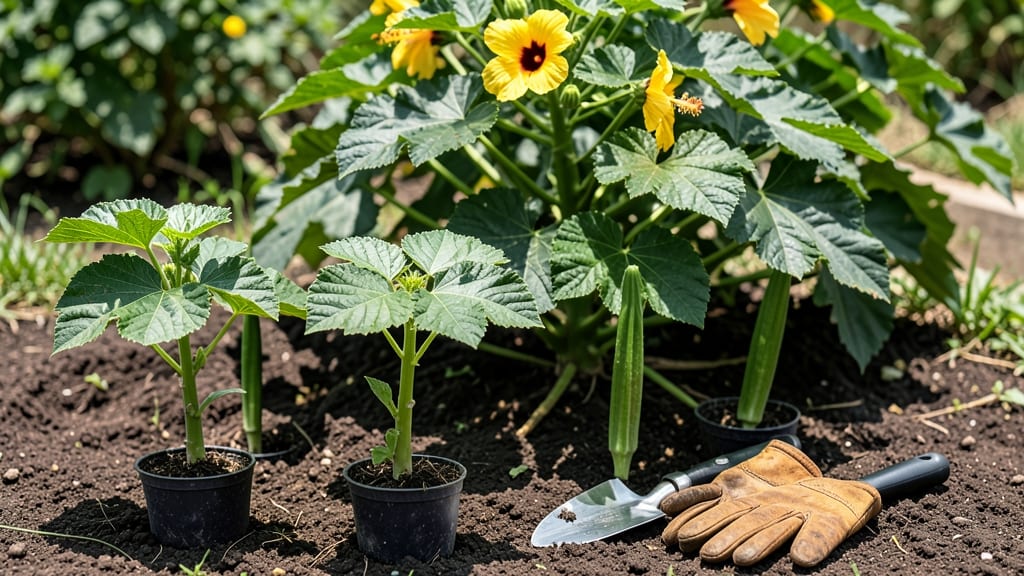
Knowing when to plant okra in Zone 9 can mean the difference between a bountiful harvest and struggling with stunted plants.
Unlike cooler climates, Zone 9’s intense heat demands precise timing—plant too early, and your okra will wilt before it even takes root; too late, and you’ll miss the sweet spot for summer harvests.
For gardeners in Southern California, Arizona, or Florida, the ideal window opens in late winter to early spring, when soil temperatures hit at least 60°F. This timing ensures your 🌱 okra thrives before the real heat kicks in, avoiding the common pitfall of bolting or poor pod development.
But here’s the catch: okra isn’t just about planting early—it’s about working with the heat. The right varieties, soil prep, and even mulching strategies can make or break your success.
I’ll walk you through the exact steps to time your planting, choose heat-resistant varieties, and prep your soil for maximum yield.
Whether you’re a first-time grower or a seasoned gardener, these insights will help you beat the heat and enjoy fresh okra straight from your garden all summer long.

Optimal planting timeline for okra in Zone 9 (with heat tolerance data)
Okra thrives in Zone 9’s heat, but timing is critical—plant too early, and you’ll face heat stress; too late, and your harvest suffers. The ideal window is February to April, when soil temperatures hit 60°F+ consistently.
This aligns with Southern California’s post-winter rains and pre-summer drought, giving okra the moisture boost it needs to establish roots before scorching heat arrives.
For a fall harvest, opt for late summer planting (August-September), allowing pods to mature before cooler temperatures slow growth.
Coastal areas like San Diego can plant slightly earlier (January-February) due to milder microclimates, while inland Los Angeles should wait until March to avoid late frost risks (though Zone 9 rarely freezes, cold snaps can occur).
| Planting Window | Soil Temp Requirement | Heat Tolerance Threshold | Harvest Window |
|---|---|---|---|
| February-March | 60°F+ | Up to 95°F (with shade) | June-September |
| April-May | 65°F+ | Up to 105°F (with mulch) | July-October |
| August-September | 60°F+ | Up to 90°F (avoid peak 110°F+) | October-November |
Zone 9’s summer heat (95°F+) can stress okra, so avoid planting in June-July unless you’re using shade cloth or drip irrigation. If you miss the spring window, direct-sow seeds in late summer (August) for a fall harvest before cooler temps in November.
Coastal areas like San Diego can extend planting to October, while inland Riverside should finish by September.
For container growing, plant in March-April to ensure pots warm quickly. Use black plastic mulch to raise soil temps 5-10°F faster in early spring. Monitor leaf curl or yellowing—signs of heat stress—and provide afternoon shade if temps exceed 100°F for more than 3 days.
Okra’s 60-75 day growth cycle means spring plantings yield by June, while fall plantings finish by October. Succession plant every 2-3 weeks for continuous harvests.
In Arizona’s Zone 9a, plant 1-2 weeks earlier due to earlier heat onset, while Florida’s Zone 9b can plant year-round with consistent moisture.
Test soil 1-2 weeks before planting—okra prefers pH 6.0-6.8, but Zone 9’s alkaline soils often need sulfur amendments. Amend with compost and peat moss to improve drainage and water retention. Avoid fresh manure, which can burn roots in hot soils.
Use shade cloth (30-50%) during peak summer to protect young plants. Okra’s deep taproot makes transplanting difficult, so direct-sow seeds ½ inch deep in well-drained soil. Space plants 18-24 inches apart to allow airflow and reduce pest pressure from aphids and okra borers.
For urban gardeners, choose dwarf varieties like ‘Burgundy’ (3-4 ft tall) to fit balconies or raised beds. In desert climates, drip irrigation at soil level prevents leaf scorch. Mulch with straw to retain moisture and keep roots cool during 100°F+ days.
Track pod development—okra grows fastest when daytime temps are 75-90°F. If nights drop below 60°F, use row covers to protect plants. Harvest every 2-3 days to encourage continuous production and prevent pods from toughening.
Optimal planting timeline for okra in Zone 9 (with heat tolerance data)
Zone 9’s year-round growing season means okra thrives here, but timing matters—plant too early, and your seedlings will languish in cooler winter temps; too late, and summer’s intense heat can stress young plants.
The sweet spot is late winter to early spring (February–March), when soil temps hit 60°F+ and daytime highs stay under 90°F. This aligns with okra’s heat tolerance thresholds of 70–95°F for optimal growth.
For a second harvest, consider late summer planting (August–September) to escape the peak summer heat (June–July), which can cause bolting (premature flowering). Coastal areas like San Diego may plant 2–4 weeks earlier than inland desert regions like Palm Springs, thanks to moderating ocean breezes.
Always check your local microclimate—valleys heat up faster than hillsides.
🌱 Okra Planting Timeline for Zone 9
| Stage | Action | Soil Temp | Heat Risk |
|---|---|---|---|
| Direct Sow | February–March | 60°F+ | Low |
| Transplant | March–April | 65°F+ | Moderate |
| Late Summer | August–September | 70°F+ | High (but manageable) |
💡 Pro Tip: Use a soil thermometer to confirm temps—okra roots need warmth to establish quickly.
If you’re starting seeds indoors, begin 6–8 weeks before your target outdoor date (e.g., December–January for spring planting).
Use biodegradable pots to avoid transplant shock, and harden off seedlings for 7–10 days before moving them outdoors. Avoid overhead watering during this transition—okra hates wet foliage, which invites powdery mildew in Zone 9’s humid summers.
For container growing, opt for 5-gallon pots (okra’s roots run deep) and plant after Memorial Day (late May) to sidestep late-spring frost risks (though rare in Zone 9). Black plastic mulch can warm soil 5–10°F faster, giving you a 2-week head start on the season. Just
Watch for these red flags: Yellowing leaves signal overwatering or nutrient deficiency; stunted growth means too much shade or cool soil. In desert Zone 9 (e.g., Phoenix), shade cloth (30%) during June–August protects seedlings from intense afternoon sun. Coastal growers can skip this—okra loves bright, salty air!
Harvest timing starts 50–60 days after planting, but don’t rush—okra pods grow 1 inch per day under ideal conditions. Aim for 2–4 inch pods for tender, slimy-free eating. Miss this window, and you’ll get woody, seedy pods—a common mistake in Zone 9’s long growing season. 🌱