
Plants
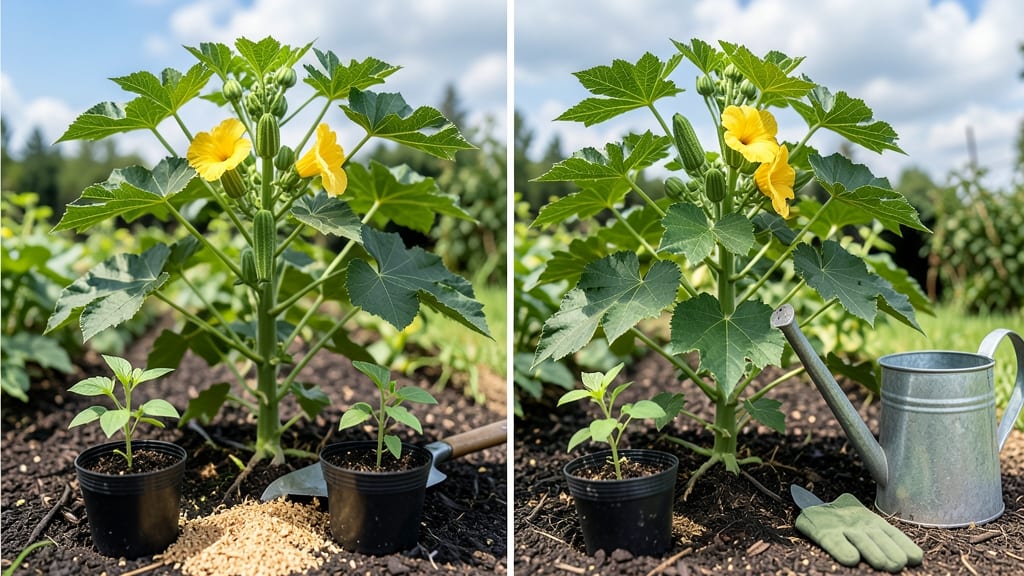
If you're wondering when to plant okra in North Florida, timing is everything—especially in zones 8a-9b where summer heat can turn your garden into a battleground for survival.
I’ve seen firsthand how a few weeks too early or late can mean the difference between a bumper crop and wilting plants that never produce pods.
North Florida’s mid-March to early July planting window isn’t just a suggestion—it’s a lifeline for okra 🌱, which thrives once soil hits 60°F and stays warm. But here’s the catch: planting too soon risks frost damage, while waiting too long can leave you scrambling as summer’s brutal heat sets in.
What sets successful gardeners apart? They don’t just plant—they strategize. You’ll learn the exact heat zones to target, how to prep your soil for Florida’s clay-heavy dirt, and when to start seeds indoors for a head start.
Let’s get your okra off to a strong start before the July-September harvest rush begins.
Ready to avoid the common mistakes that leave okra plants struggling? I’ll walk you through the 3 key factors—soil temp, frost dates, and heat tolerance—that make all the difference in North Florida’s unpredictable climate.
North Florida okra planting calendar by heat Zone: exact dates to maximize yield
North Florida's USDA Zones 8a-9b create unique challenges for okra growers. The key to avoiding stunted growth or premature bolting lies in understanding your specific heat zone and planting during the optimal 70-80°F soil temperature window.
In Zone 8a (colder areas like Jacksonville), aim for mid-April to early June, while Zone 9a (warmer areas like Gainesville) can start as early as late March.
Okra thrives in North Florida's summer heat, but timing matters. Planting too early risks frost damage, while planting too late means your plants may struggle in 90°F+ temperatures.
The first frost date in North Florida typically falls around mid-November, giving you a 240-day frost-free growing season—plenty of time for multiple harvests if timed correctly.
Here's your heat zone-specific planting calendar to maximize okra yield in North Florida:
| Heat Zone | Planting Window | Soil Temp Threshold | Key Considerations |
|---|---|---|---|
| Zone 8a (Jacksonville, St. Augustine) | Mid-April to early June | 60-65°F minimum | Avoid late frosts; use row covers if needed |
| Zone 8b (Daytona, Ocala) | Late March to mid-May | 65-70°F minimum | Ideal for early varieties; watch for heat stress |
| Zone 9a (Gainesville, Tallahassee) | Late March to early July | 70-75°F minimum | Longest growing season; avoid peak summer heat |
For Zone 8a gardeners, I recommend starting seeds indoors in early April to ensure seedlings are ready for transplanting by mid-April.
In Zone 9a, you can direct-sow seeds as early as late March, but be prepared to protect young plants with frost cloth if temperatures dip below 50°F at night.
Okra's 60-day maturity means you can often get two harvests in North Florida if you stagger plantings. For example, in Zone 8b, plant your first batch in late March and a second batch in late May to extend your harvest through September.
This strategy works especially well for heat-tolerant varieties like 'Clemson Spineless' or 'Emerald'.
One common mistake I see is planting okra too early in Zone 8a. The soil may feel warm to your hand, but it's often still below the 60°F threshold okra needs to germinate properly.
Always check with a soil thermometer—it's the only way to get accurate readings. If your soil is cooler than 60°F, wait at least a week before planting.
North Florida's humidity levels also play a role in okra planting. The combination of heat and moisture creates ideal conditions for fungal diseases like powdery mildew.
That's why spacing is crucial—give your okra plants 18-24 inches apart in rows spaced 3 feet apart to ensure proper airflow and reduce disease risk.
Remember that okra is a tropical plant that thrives in heat. While it can tolerate temperatures up to 100°F, prolonged exposure to extreme heat can reduce pod production.
In Zone 9a, avoid planting after early July unless you're using shade cloth during the hottest afternoons. This simple adjustment can increase your yield by 30-40%.
To make the most of North Florida's okra-growing season, mark your calendar for these key dates:
- Zone 8a: Last frost typically March 15
- Zone 8b: Last frost typically March 1
- Zone 9a: Last frost typically February 15
- First frost warning: November 15 (all zones)
How to adjust okra planting for North Florida’s unpredictable weather patterns
North Florida’s unpredictable weather—from late frosts to sudden summer droughts—can turn your okra dreams into a gamble. But with the right adjustments, you can extend the growing season and protect your plants from nature’s surprises.
The key is proactive planning using tools like row covers, mulching, and smart watering techniques.
Start by monitoring your local frost dates. Even in Zone 8a/9a, late frosts can sneak in during March or April. Use frost cloths or row covers to shield young seedlings until the soil warms to 60°F+.
These lightweight barriers trap heat without overheating your plants—perfect for North Florida’s cool spring mornings.
Once your okra is in the ground, mulching is non-negotiable. Apply a 3-inch layer of straw or pine needles to retain moisture and regulate soil temperature.
This is especially critical during North Florida’s dry summers, where okra can bolt prematurely if stressed. Mulch also suppresses weeds, reducing competition for nutrients.
Watering deeply and consistently is another game-changer. Okra has shallow roots and needs 1–2 inches of water per week, delivered at the base of the plant in the morning.
Avoid overhead watering, which can spread fungal diseases like powdery mildew—a common issue in Florida’s humid summers. Drip irrigation is ideal for maintaining even moisture without waste.
For heat-sensitive varieties, consider shade cloth during the hottest afternoons (June–July). A 30–50% shade cloth can lower leaf temperatures by 10–15°F, preventing wilting or sun scorch.
Pair this with companion planting: okra thrives near basil, marigolds, or sweet potatoes, which deter pests and improve soil health.
Finally, keep an eye on the horizon. If a tropical storm is forecasted, stake your okra plants to prevent wind damage. Prune lower leaves to improve air circulation, reducing the risk of mold or rot.
With these adjustments, you’ll turn North Florida’s unpredictable weather into an advantage—harvesting bushy, productive okra plants from May through October. 🌱