
Plants
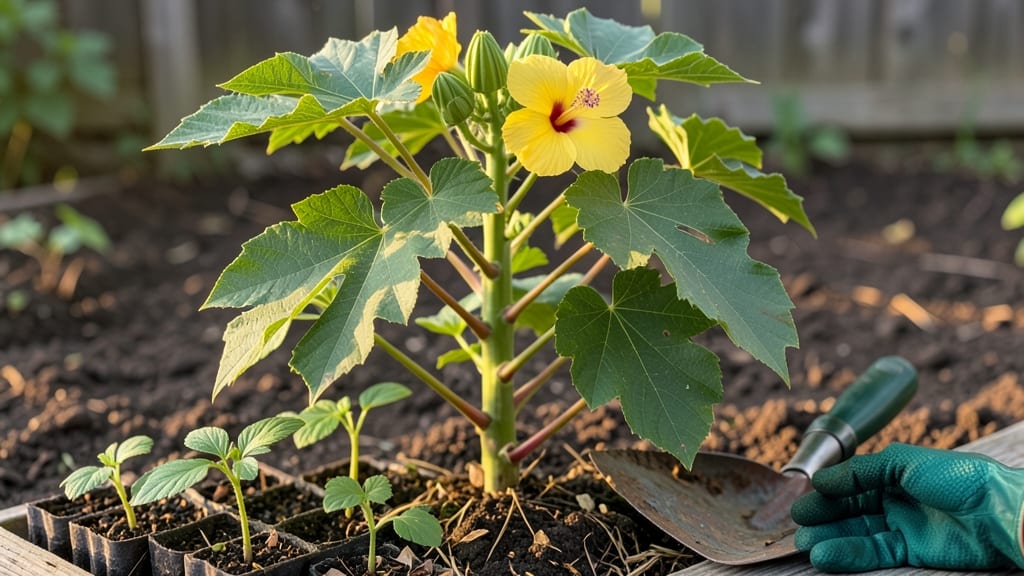
Timing your okra planting in Ohio isn't just about the calendar—it's about dodging frost while giving this heat-loving plant the perfect head start. With Ohio's USDA Zone 6a climate and unpredictable springs, waiting until after the last frost (typically mid-April) is critical for success.
If you plant too early, those tender seedlings will bolt at the first hint of cold, and if you wait too long, you might miss the ideal 60°F soil temperature that okra craves.
The sweet spot? Late April to early May, when the ground warms up and the risk of frost fades away.
But here's the thing: Ohio's weather doesn't play by the rules. Northern regions like Columbus face frost risks later than southern areas like Cincinnati, so I'll show you how to adjust your planting schedule based on your exact location.
By the end, you'll know exactly when to get those seeds in the ground—and how to stretch your harvest from July all the way through October. Let's make sure your okra thrives, not just survives.
Ohio’s frost-free planting zones for okra success
Okra thrives in Ohio’s warm summers, but timing your planting correctly is the key to avoiding frost damage and maximizing yields.
Since Ohio spans USDA zones 5-7, frost dates vary dramatically—from late April in southern regions like Cincinnati to early June in the colder northeast around Cleveland. Your first step is identifying your local frost-free date using the National Weather Service or Ohio State University Extension resources.
For most Ohio gardeners, the ideal planting window falls between late April and early May, once soil temperatures consistently reach 60°F or higher.
Okra seeds won’t germinate in cold soil, so rushing the process can lead to poor germination or seed rot. Patience here pays off—waiting for the right conditions ensures stronger, healthier plants that produce abundant pods.
Here’s how Ohio’s regions break down for okra planting:
| Region | Last Frost Date | Ideal Planting Window | Backup Window |
|---|---|---|---|
| Southwest Ohio (Cincinnati, Dayton) | Mid-April | Late April - Early May | Early May - Mid-May |
| Central Ohio (Columbus, Mansfield) | Early May | Early May - Mid-May | Late May - Early June |
| Northeast Ohio (Cleveland, Akron) | Late May | Late May - Early June | Mid-June |
If you’re unsure about your local frost date, use a soil thermometer to monitor temperatures. Okra seeds need soil that’s at least 65°F for direct sowing or 70°F for transplants.
In colder zones like northeast Ohio, consider starting seeds indoors 4-6 weeks before your last frost date to give them a head start.
For gardeners in USDA zone 6 (most of Ohio), aim to plant okra by May 15th to ensure a full growing season.
Okra takes 50-60 days to mature, so late plantings may not yield before Ohio’s first frost in mid-October. Succession planting every 2 weeks can extend your harvest window, especially in warmer southern regions.
Don’t overlook microclimates in your area. South-facing slopes or urban heat islands may warm up faster than surrounding areas, allowing you to plant 1-2 weeks earlier.
Conversely, low-lying areas or shaded spots might require delaying planting by a week to avoid cold snaps. Observe your garden’s unique conditions for the best results.
For extra protection, use row covers or black plastic mulch to warm the soil faster and shield young plants from unexpected late frosts.
These tools can shave off 1-2 weeks from your planting timeline, giving okra a stronger start. Test your soil pH (ideal: 6.0-6.8) and amend with compost to ensure optimal growth conditions.
Remember, okra is a fast-growing annual, but it won’t tolerate cold. If you miss the ideal window, consider heat-tolerant varieties like ‘Clemson Spineless’ or ‘Emerald’ for better success in shorter Ohio growing seasons. Plan ahead—your okra’s success starts with the right timing!
🌱
Direct sowing vs. transplanting okra in Ohio: what works best
Ohio’s variable climate means choosing the right okra planting method can mean the difference between a bountiful harvest and struggling seedlings. Most Ohio gardeners opt for direct sowing after the last frost, but starter plants offer faster results in shorter growing seasons.
Let’s break down the pros and cons for your specific location.
For direct sowing, aim for soil temperatures of 65°F or higher—this typically aligns with late May in northern Ohio but can be as early as mid-April in southern regions.
The key advantage? Hardier plants that develop deeper roots adapted to Ohio’s clay-heavy soils. However, germination can take 7-14 days, leaving little room for error if late frosts strike.
Transplanting okra seedlings (purchased or home-started) lets you jumpstart growth by 2-3 weeks, critical for Ohio’s 165-day frost-free window. Start seeds indoors 2-3 weeks before your last frost date, then transplant after nighttime temperatures stay above 55°F.
This method works best in USDA Zone 6a (central Ohio) where springs are cooler.
Direct Sowing vs. Transplanting: Ohio-Specific Comparison
- ✅ Hardier roots adapted to Ohio soil
- ✅ No transplant shock risk
- ✅ Better for heat zones 7+ (southern Ohio)
- ⚠️ Slow germination (7-14 days)
- ⚠️ Late frosts risk in Zone 5
- ✅ Faster harvest (2-3 weeks earlier)
- ✅ Controlled timing for Zone 6a
- ✅ Better for short seasons (north Ohio)
- ⚠️ Transplant shock possible
- ⚠️ Less root depth in clay soils
🌱 Best for Ohio: Direct sow in southern Ohio; transplant in northern Ohio
For direct sowing success in Ohio, plant seeds ½-inch deep and space them 12-18 inches apart in rows 3 feet apart. Use black plastic mulch to warm soil faster—a game-changer for northern Ohio’s cooler springs.
If transplanting, harden off seedlings for 5-7 days before moving them outdoors to prevent shock.
Pro tip: Test your soil’s pH (6.0-6.8) before planting—okra thrives in slightly acidic soil. Amend with compost or aged manure if your soil is heavy clay, which drains poorly.
Remember, okra’s heat tolerance makes it ideal for Ohio summers, but proper planting timing ensures you don’t miss the boat on that first harvest.
No matter which method you choose, consistent moisture is key—especially during Ohio’s dry July-August periods. Mulch heavily to retain soil moisture and regulate temperature, giving your okra plants the best shot at thriving through Ohio’s unpredictable summers. 🌡️