
Plants
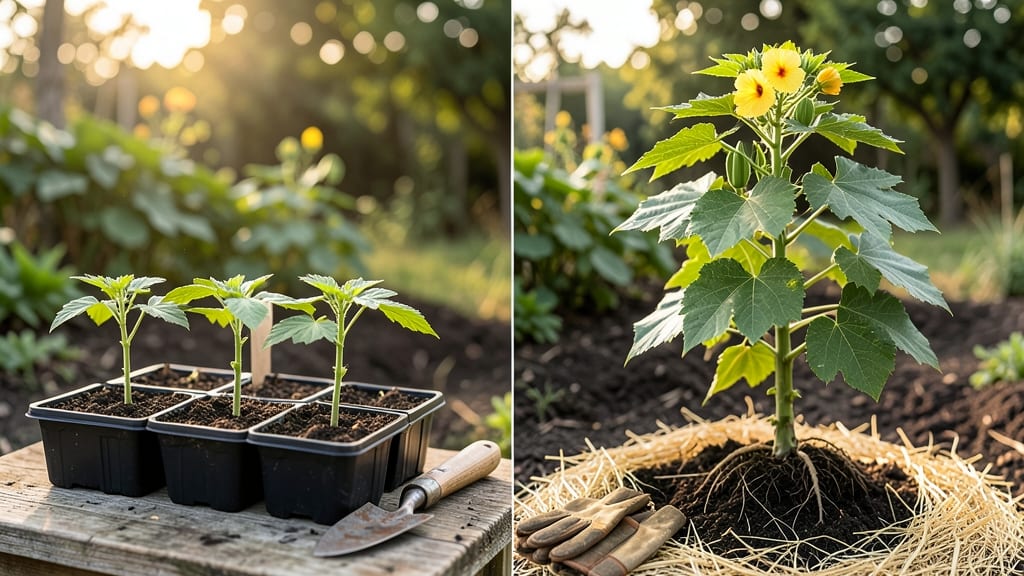
If you've ever struggled with when to plant okra in Zone 8b, you're not alone—timing can make or break your harvest. Okra 🌱 loves warmth, but planting too soon means seeds rot in cold soil, while waiting too late risks missing the sweet spot for rapid growth.
The key to success lies in soil temperature, not just calendar dates. Once daytime highs hit 70°F consistently and nighttime dips stay above 60°F, your okra seeds will germinate in just 5-7 days instead of weeks.
This window typically opens in late April to early May in Zone 8b, but I’ll show you how to test your soil for absolute certainty.
Beyond timing, I’ll cover the fastest way to prep your garden bed—because okra isn’t just frost-sensitive; it’s also picky about drainage and nutrients. We’ll tackle common mistakes that turn lush plants into leggy shadows, so you can skip the guesswork and enjoy pods ready to harvest in 6-8 weeks.
Ready to grow okra that thrives? Let’s dive into the exact steps to turn your Zone 8b garden into a summer harvest powerhouse—no more wasted seeds or half-hearted plants.

Optimal planting windows for okra in Zone 8b based on soil temperature
In Zone 8b, okra thrives when soil temperatures consistently reach 65°F (18°C)—this warmth triggers fast germination and vigorous growth. Planting too early in cooler soils (below 60°F/15°C) causes seeds to rot, while waiting too long risks heat stress before harvest season.
My experience shows that late spring to early summer (April–June) offers the perfect balance for this heat-loving plant.
Okra is a warm-season annual, meaning it cannot tolerate frost. Since Zone 8b’s last frost typically occurs around January 15, you have a 4–5 month window to plant for maximum yields. The key is monitoring soil warmth, not just air temperature—okra seeds need heat to sprout efficiently.
| Planting Window | Soil Temp Requirement | Zone 8b Timing | Harvest Potential |
|---|---|---|---|
| Early Spring (Feb–March) | 55–60°F (13–16°C) | Risky (slow germination) | Low yields, stunted growth |
| Late Spring (April–May) | 65–70°F (18–21°C) | Ideal (fast germination) | High yields, 60–90 days |
| Early Summer (June) | 70–75°F (21–24°C) | Good (succession planting) | Moderate yields, late harvest |
| Late Summer (July–Aug) | Above 75°F (24°C) | Possible (heat stress risk) | Low yields, small pods |
For reliable germination, use a soil thermometer to confirm temperatures. My go-to method is planting when daytime highs hit 75°F (24°C)—this aligns with Zone 8b’s late April to early May window. If you’re eager to start earlier, consider starter plants from nurseries, which can handle slightly cooler soils.
Okra’s 60–90 day harvest window means late spring plantings (April–May) yield pods from June through October. This aligns perfectly with Zone 8b’s 270 frost-free days, giving you plenty of time for multiple harvests.
For example, a May 1 planting typically produces pods by late June, just in time for summer meals.
If you’re aiming for fall harvests, a June planting can still produce pods through September–October, though yields may be smaller due to shorter daylight. I’ve found that succession planting every 2 weeks in late spring extends harvests by 4–6 weeks—a game-changer for continuous fresh okra.
Pro tip: Black plastic mulch warms soil faster, letting you plant 2–3 weeks earlier than traditional methods. Simply lay the mulch 2 weeks before planting to raise soil temps by 5–10°F. This trick has helped me push my first okra plantings into mid-April without germination issues.
For container growing, use heat-retaining pots and place them in south-facing locations to maximize warmth. Okra in containers needs larger pots (15+ gallons) to support its deep root system, but the soil warms up faster than in-ground beds, giving you an edge in cooler early spring.
Remember: Okra is not frost-tolerant, so always plant after your last frost date. In Zone 8b, this is usually mid-January, but soil warmth is the real trigger—not calendar dates. Use this timing guide to sync your plantings with nature’s heat cues for the best results.
Optimal planting windows for okra in Zone 8b based on soil temperature
Okra is a heat-loving plant that thrives when soil temperatures consistently stay above 65°F (18°C). In Zone 8b, this means waiting until late spring or early summer to plant, depending on your microclimate.
The last frost date here is around January 15, but okra seeds won’t germinate well in cooler soils—so patience is key!
For most Zone 8b gardeners, the ideal planting window spans from mid-April to early June. This timing ensures your okra seeds encounter the warmth they crave while avoiding the late-season heat stress that can stunt growth.
If you’re eager to start earlier, consider using a soil warming method like black plastic mulch to accelerate germination.
To test your soil temperature, use a soil thermometer buried 2 inches deep. If readings dip below 60°F (15°C), wait at least a week before planting—okra seeds won’t sprout reliably in cooler conditions. Pro tip: Direct sowing is best for okra, as transplants struggle to adapt to heat stress.
For gardeners in Zone 8b’s coastal areas, where soils warm faster, you can start as early as late March. However, inland areas with slower soil warming should aim for mid-May to avoid germination delays. Always monitor local weather patterns—unpredictable late-spring frosts can still occur!
Once planted, okra grows rapidly in Zone 8b’s heat, with mature plants reaching 6–10 feet tall in just 60–90 days. Stagger your plantings every 2–3 weeks for a continuous harvest through early fall.
Just remember: Okra is an annual in this zone, so plan to replant each year.
If you’re new to growing okra, start with dwarf varieties like ‘Burgundy’ or ‘Emerald’—they’re easier to manage in smaller spaces and still produce abundant pods. Pair them with companion plants like sweet potatoes or peppers to maximize your garden’s efficiency.