
Plants
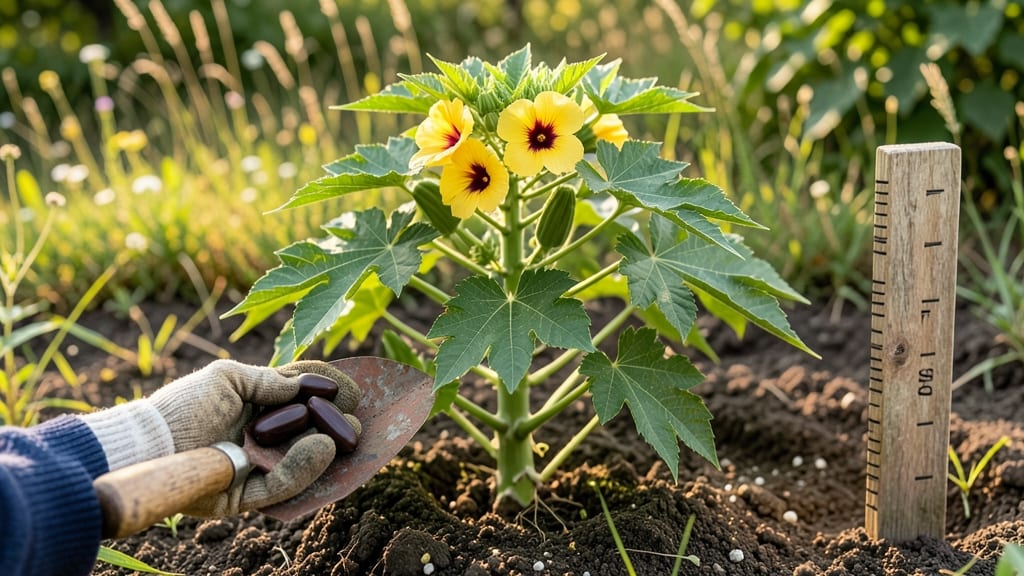
Timing your okra seed planting in Oklahoma isn’t just about avoiding frost—it’s about syncing with the state’s unpredictable heat shifts that can turn a great crop into a gamble.
With USDA zones 6a-8a bringing wildly different frost-free dates, planting too early risks stunted growth, while waiting too long cuts your harvest short.
Here’s the secret: Okra thrives when soil temperatures hit 60°F+, and Oklahoma’s April 15-June 15 window is your golden ticket to a July-October harvest. But not all regions are created equal—Zone 8a’s earlier start contrasts sharply with Zone 6a’s need for patience.
Let’s break down the exact heat-zone strategy that’ll have your 🌱 okra plants flourishing before the summer’s full fury arrives.
You’ll learn how to read Oklahoma’s microclimates, from the humid lowlands to the drier uplands, and why succession planting in May-June can double your yield.
Plus, we’ll cover the soil prep tricks that keep okra’s roots happy in Oklahoma’s alkaline soils—because even the best-timed seeds need the right foundation.
Skip the guesswork and plant with confidence. By the end, you’ll know not just when to plant, but how deep, how far apart, and which companion plants keep pests at bay. Ready to turn your Oklahoma garden into an okra powerhouse?
Oklahoma’s best okra planting zones: heat requirements by region
Okra thrives in Oklahoma’s heat and humidity, but planting too early can mean frost damage while waiting too long may shorten your harvest. The key is understanding your USDA zone and soil temperature thresholds—okra seeds won’t germinate below 60°F, and growth stalls under 75°F.
Most of Oklahoma falls in zones 7a-8b, with critical differences in frost-free dates and heat intensity.
In Zone 7a (northern OK), average last frost dates hover around March 15, but soil may not warm enough for okra until mid-April. Meanwhile, Zone 8b (southern OK) sees frost-free conditions by early March, allowing earlier plantings.
Always check your local frost data—Oklahoma’s unpredictable spring weather can delay planting by weeks.
Here’s where your heat-zone strategy comes into play: okra needs consistent 80°F+ temperatures to thrive.
Northern Oklahoma’s shorter growing season means you’ll need to plant later (after May 15) to avoid early frost, while southern regions can start as early as March 15—but only if soil temps are stable above 60°F.
Okra’s drought tolerance is a bonus in Oklahoma’s dry spells, but young plants still need consistent moisture to establish roots. In Zone 7a, aim for late May plantings to maximize the 180-day frost-free window.
Southern zones can stretch harvests with succession plantings every 2-3 weeks from March through June.
One critical factor often overlooked? Soil pH. Oklahoma’s alkaline soils (pH 7.5-8.5) can stunt okra growth. Test your soil and amend with sulfur or peat moss to reach the ideal 6.0-6.8 range. This small step can double your yield in Oklahoma’s challenging conditions.
Let’s break down the zone-specific heat requirements so you can pinpoint your perfect planting window. The comparison table below highlights soil temperature thresholds, frost-free dates, and optimal planting windows for each Oklahoma zone.
Pro tip: Use a soil thermometer to confirm readiness—okra seeds won’t germinate below 60°F, even if air temps are warm. In Zone 7a, this often means waiting until mid-May for reliable results.
Meanwhile, Zone 8b gardeners can start indoors in February for transplants, giving plants a 2-week head start before outdoor planting.
Okra’s heat tolerance makes it perfect for Oklahoma’s summers, but young plants are vulnerable to late spring frosts. Always have row covers on hand for Zone 7a plantings, as a single 28°F night can wipe out seedlings.
In contrast, Zone 8b rarely sees frost after February 15, making early plantings safer.
For maximum yield, choose heat-tolerant varieties like 'Emerald' or 'Jinada'—these handle Oklahoma’s 90°F+ afternoons better than standard types. Pair them with companion plants like basil or marigolds to deter pests and improve flavor.
With the right zone strategy, you’ll enjoy crisp, tender pods from July through October—just in time for Oklahoma’s peak cooking season.
🌱
Okra planting calendar for Oklahoma: month-by-month heat-Zone guide
Okra thrives in Oklahoma’s heat, but planting too early can mean lost seeds or stunted plants. The key is waiting until soil temperatures consistently hit 60°F+—use a soil thermometer to check.
In Zone 7a, aim for late May, while Zone 8b gardeners can start as early as mid-March when nights stay above 50°F.
Succession planting is your secret weapon for a continuous harvest. Space your plantings 2-3 weeks apart from April through June to enjoy pods from July to October. This works especially well in Zone 8a, where the growing season stretches longer.
| Zone | Last Frost Date | Optimal Planting Window | Succession Planting End |
|---|---|---|---|
| 7a (Northern OK) | Mid-April | Late May - Early June | June 15 |
| 7b (Central OK) | Early April | Early May - Mid-June | June 20 |
| 8a (Southern OK) | Mid-March | March 15 - June 1 | June 30 |
| 8b (Southwest OK) | Late February | Mid-March - May 15 | July 1 |
Direct-sowing is the preferred method for okra in Oklahoma, as seedlings hate being transplanted. Plant seeds 1 inch deep and 12-18 inches apart in rows spaced 2-3 feet apart. For transplants, harden off seedlings for 7-10 days before setting them out after the last frost.
Oklahoma’s alkaline soils can slow okra germination. Before planting, amend your soil with compost or peat moss to lower the pH to 6.0-6.8. A simple test: if your soil feels gritty and has a chalky residue, it’s likely too alkaline.
Mulch with straw or grass clippings to retain moisture and regulate soil temperature.
Watch for aphids and spider mites, which thrive in Oklahoma’s dry heat. Start harvesting pods when they reach 2-3 inches long—this encourages more production. In Zone 8b, you might even get a second harvest if you plant a late variety like 'Clemson Spineless' in early July.
Don’t let the heat fool you—okra needs consistent moisture, especially during pod formation. Water deeply every 3-5 days in summer, aiming for 1-2 inches of water per week. Morning watering prevents fungal diseases like powdery mildew, which can ruin your crop.