
Plants
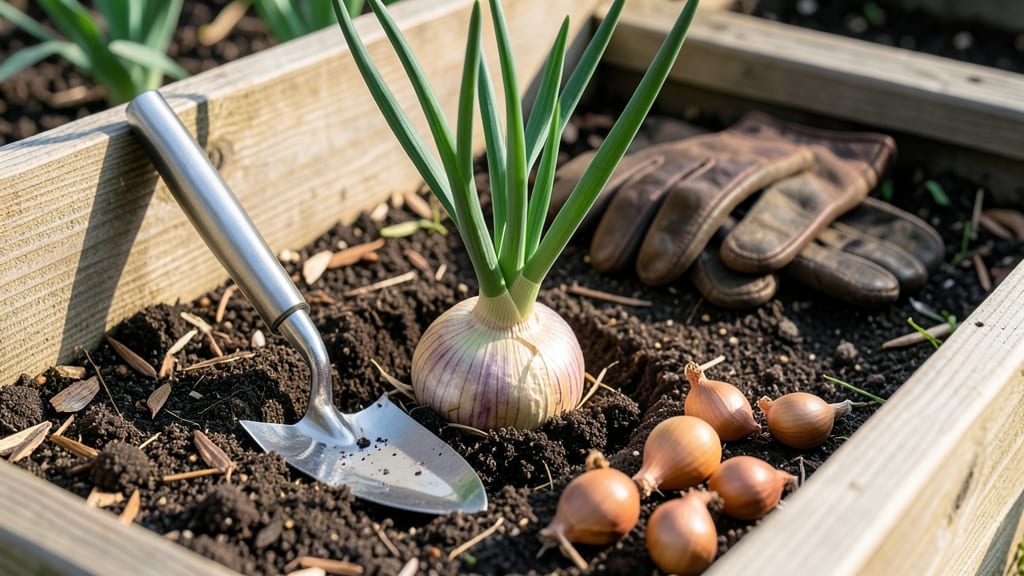
When to plant onion bulbs in Michigan could mean the difference between a bumper crop and a total flop—especially when frost sneaks in like it does here. The right window isn’t just about the calendar; it’s about understanding your local climate, soil readiness, and even which onion varieties play well in your USDA zone.
If you’ve ever wondered why some gardeners swear by late August plantings while others stick to early spring, the answer lies in Michigan’s unpredictable frost dates and short growing season.
Getting it wrong can leave you with stunted bulbs or, worse, a garden full of bolts—those bitter, leafy stalks that ruin everything.
I’ve spent years perfecting the timing for my own Michigan garden, and what I’m about to share will help you avoid those common mistakes.
Whether you’re a first-time grower or a seasoned pro, these proven strategies will give you the confidence to plant onions at the perfect moment—so you can enjoy those sweet, homegrown harvests all summer long.
From soil prep to backup planting schedules, we’ll cover everything you need to know to make this season your most successful yet. Let’s get those onions in the ground the right way!
Michigan onion planting calendar: exact dates by variety and climate Zone
Michigan’s USDA zones 4-6 mean onion planting timing varies dramatically—from southern Lower Peninsula to the Upper Peninsula’s cooler climates. The key is matching your onion variety to Michigan’s day-length requirements, since onions are classified as short-day, intermediate-day, or long-day plants.
Get this wrong, and you’ll end up with bolt-y, bitter bulbs instead of sweet harvests.
For spring planting, aim to get onion sets or seedlings in the ground 4-6 weeks before your last frost date. In most of Michigan, that’s mid-March to early April, but northern regions may need to wait until late April.
Soil temperature should be at least 40°F (4°C)—cold soil stunts root growth, leading to poor bulb development.
Here’s the critical planting window for Michigan’s most popular onion varieties, adjusted for USDA zones 5b and 6b:
| Variety Type | Best Planting Window (Spring) | USDA Zone Fit | Harvest Time | Notes |
|---|---|---|---|---|
| Short-Day (e.g., 'Texas Early White') | Late March–Early April | 5b-6b (all Michigan) | Late July–August | Sweet, mild flavor; thrives in heat |
| Intermediate-Day (e.g., 'Crystal Wax') | Mid-April–Early May | 5b-6a (Lower Peninsula) | August–Early September | Versatile; stores well; avoid UP |
| Long-Day (e.g., 'Sweet Sandwich') | Early April–Mid-May | 6a-6b (Southern MI) | Late August–September | Best for fresh eating; bolts in UP |
| Yellow Granex (e.g., 'Texas Early Grano') | Late March–April 15 | 5b-6b (all Michigan) | July–August | Sweet, mild; great for storage |
For fall planting, which extends your harvest window, plant onion sets 8-10 weeks before your first frost—typically mid-August to early September. This gives bulbs time to establish roots before winter dormancy. In northern Michigan, aim for late August to avoid early frosts.
Soil preparation is just as critical as timing. Onions thrive in well-draining, slightly acidic soil (pH 6.0-7.0). Work in 2-3 inches of compost before planting to improve fertility and structure.
If your soil is heavy clay, consider raised beds—they warm up faster in spring and drain better after heavy rains.
Pro tip: Use a soil thermometer to confirm soil temps are above 40°F (4°C) before planting. Cold soil delays germination and weakens early growth. In Zone 4 areas, wait until mid-April to avoid frost damage to tender seedlings.
Michigan’s Upper Peninsula gardeners should lean toward short-day varieties like 'Texas Early White' or 'Yellow Granex', as long-day onions often bolt prematurely. In southern Michigan, you can experiment with long-day varieties like 'Sweet Sandwich' for milder, sweeter onions.
Don’t forget: Onions are biennial, meaning they form bulbs in their first year and flower in the second. If you’re saving seeds, let some plants bolt and flower—just mark them so you don’t harvest their bulbs!
🌱
How to adjust onion planting for Michigan’s unpredictable spring weather
Michigan’s spring weather is famous for its mood swings—one day warm enough to plant, the next with a surprise frost that can turn your onion sets to mush. The key to success? Flexibility. Unlike predictable climates, Michigan demands adaptive planting strategies to protect your crop from late frosts and soil temperature fluctuations. Start by checking your local frost dates (typically April 15 for most of Michigan, but earlier in the Upper Peninsula). If you’re planting short-day onions (like ‘1015Y Yellow’) in early March, have a backup plan ready. Cold snaps can stall growth or even kill young plants before they establish roots.A row cover (lightweight fabric) is your best friend during unpredictable springs. Lay it over onion beds when nighttime temperatures dip below 35°F—it traps heat without smothering plants. For extra protection, use straw mulch (2-3 inches thick) to insulate soil and regulate temperature.
This simple step can mean the difference between healthy green tops and frost-bitten failures.
Don’t rely on a single planting date. Stagger your plantings in 2-week intervals starting in mid-March through early April. This ensures at least one batch matures before summer heat sets in. For example, plant half your sets in late March and the rest in early April.
If the first batch thrives, you’ll have a longer harvest window—and if frost strikes, you’ll still have a backup crop.
⚠️ Watch for False Springs
A false spring (warm spell followed by frost) is Michigan’s cruelest trick. If soil temperatures rise above 50°F in early March, onions may sprout—but a late frost can kill them. Solution: Wait until soil is consistently 40°F+ (test with a soil thermometer) before planting.
If you’re unsure, delay until mid-April for safety.
Soil temperature matters just as much as air temperature. Onions need soil at 40°F+ to germinate properly. If your March soil is still cold, hold off planting—even if air temps are mild.
Use a soil thermometer to check depth (2 inches down). If readings are below 40°F, wait another week. Patience here prevents poor germination and weak starts.
For gardeners in northern Michigan (USDA Zone 4), where frost lingers longer, consider starting onions indoors in late February. Use small pots or cell packs to grow 1-inch seedlings, then transplant outdoors 2-3 weeks before your last frost date.
This head start gives them a growth advantage before spring’s unpredictability kicks in.
Finally, monitor your onions closely after planting. If a frost warning appears, cover them immediately with row fabric or old blankets. Even a light frost (28-32°F) can damage young plants.
With these adjustments, you’ll beat Michigan’s weather and enjoy a bountiful onion harvest—no matter what spring throws at you.