
Plants
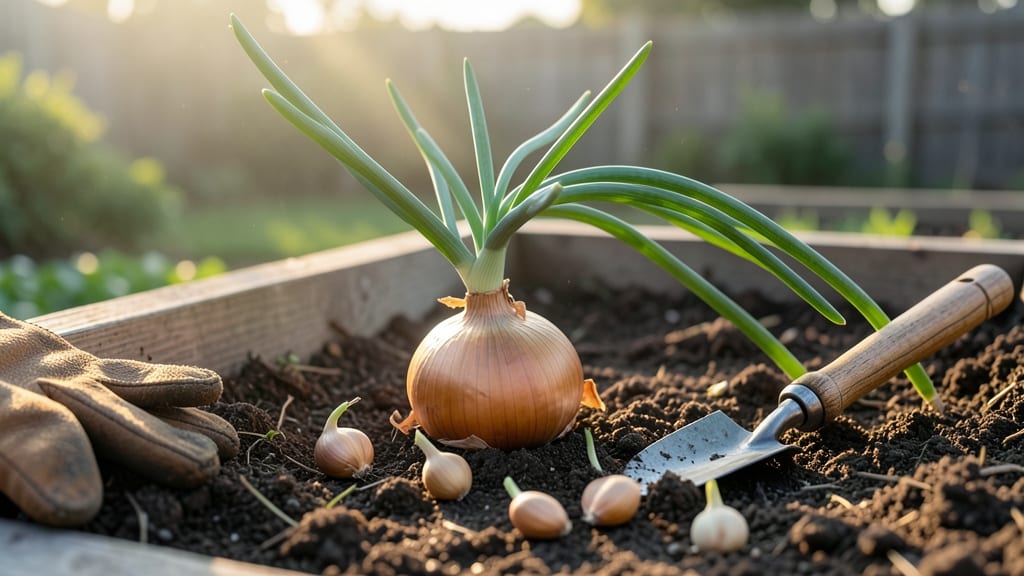
Timing when to plant onion bulbs in Oklahoma just right isn’t just about following a calendar—it’s about dodging unpredictable frost and heat waves that can ruin your harvest.
If you plant too early, late frosts might zap your tender shoots; too late, and your onions won’t mature before summer’s scorching temperatures take over.
For USDA Zone 6b-7a gardeners, the sweet spot is September or October for fall planting, or late February to early March for spring. These windows align with Oklahoma’s frost dates and give your onions enough time to bulk up before summer’s heat kicks in.
I’ve tested these methods in my own garden, and the difference between a flourishing harvest and a failed crop comes down to preparation. We’ll cover exactly how to prep your soil, choose the right varieties, and protect your plants from Oklahoma’s quirks—so you can enjoy homegrown onions without the guesswork.
Ready to turn your garden into a zero-frost-risk onion powerhouse? Let’s break down the exact steps to plant, grow, and harvest onions that’ll make your neighbors jealous.
Oklahoma’s ideal onion bulb planting months by region (frost-date guaranteed)
Oklahoma’s USDA Zones 6b-7a mean your onion bulb planting window hinges on avoiding late spring frosts (which can kill young plants) and summer heat stress. The sweet spot is planting 4-6 weeks before your last frost date—typically mid-February to early March for most regions.
But for zero-frost-risk harvests, fall planting (September-October) often works better.
Northern Oklahoma (like Oklahoma City) has the latest frost dates (March 15), while Southern Oklahoma (like Tulsa) can plant 2 weeks earlier.
Central Oklahoma (Stillwater) falls in between. Historical frost data shows that planting too early risks frost damage, while planting too late may lead to bolting (premature flowering) from summer heat.
Here’s how to align your planting with Oklahoma’s three key regions—each with its own frost-free window for maximum success:
| Region | Last Frost Date | Ideal Planting Window | Harvest Window | Pro Tip |
|---|---|---|---|---|
| Northern OK (Oklahoma City) | March 15 | Feb 20–Mar 5 (spring) or Sept 15–Oct 10 (fall) | May 15–June 15 | Use row covers if planting early. |
| Central OK (Stillwater) | March 1 | Feb 10–Feb 25 (spring) or Sept 1–Sept 15 (fall) | May 1–May 30 | Choose short-day varieties for fall planting. |
| Southern OK (Tulsa) | February 25 | Jan 25–Feb 15 (spring) or Aug 20–Sept 10 (fall) | April 15–May 10 | Mulch heavily to retain moisture. |
For fall planting, aim to harvest before first frost (Nov 15).
This method works best for storage onions like Yellow Granex or Texas Early White, which mature faster in cooler weather. Spring planting is ideal for fresh-market varieties like Sweet Spanish, but requires consistent moisture to prevent bolting.
Oklahoma’s soil temperature is another critical factor. Onion bulbs need soil at 40–50°F to germinate. Use a soil thermometer to confirm—if temps are too warm, wait 1–2 weeks.
In southern Oklahoma, you might even squeeze in a late summer planting (August) for a fall harvest, but this is riskier due to bolting.
Pro tip: Overwintering onions (planting in fall) is a smart strategy for Oklahoma. The bulbs chill naturally over winter, leading to larger, sweeter harvests in spring.
Just ensure your soil is well-draining to avoid rot during winter rains. A thick layer of mulch (2–3 inches of straw) will help insulate roots.
If you’re unsure about your exact frost dates, check the Oklahoma Mesonet or your local Cooperative Extension Service for hyper-local data. Their frost probability maps can help you fine-tune your planting schedule. For example, Lawton might have a 5-day frost window later than Norman, so adjust accordingly.
Remember: Onions are cool-season crops, but they hate heat. In Oklahoma’s 90°F+ summers, they’ll bolt (send up flowers) instead of bulbing. That’s why fall planting is often the safest bet for consistent harvests.
Start with small test batches in both spring and fall to see what works best in your microclimate.
Finally, spacing matters. Plant bulbs 1–2 inches deep, with 4–6 inches between plants and 12–18 inches between rows. This gives them room to expand without competing—critical in Oklahoma’s clay-heavy soils, which can compact easily.
Use a garden fork to loosen soil before planting for better root penetration.
With these region-specific timelines and Oklahoma-adapted strategies, you’ll avoid the common pitfalls of bolting, frost damage, and poor yields. Next, we’ll cover how to adjust for unpredictable weather—like those late spring freezes that sneak up even in Zone 7.
How to adjust planting for Oklahoma’s unpredictable weather (pro tips)
Oklahoma’s weather is famous for its unpredictable frost dates and sudden heat spikes—both of which can wreck your onion harvest if you’re not prepared. The key is to extend your growing season and protect your bulbs from late frosts or early heat.
I’ve learned the hard way that planting too early in Northern Oklahoma (like Oklahoma City) or too late in Southern Oklahoma (like Tulsa) can mean lost crops.
Start by planting in raised beds or containers if your garden soil stays too cold or gets waterlogged. These methods give you better control over soil temperature and drainage, which are critical for onion bulbs.
I’ve had success using black plastic mulch in early spring plantings to warm the soil faster—just lay it down a week before planting to create a microclimate.
For late frost protection, cover young plants with frost blankets or old bedsheets when temperatures dip below 28°F. I keep a few lightweight row covers on hand and drape them over my onion beds overnight.
Remove them by 10 AM the next day to let sunlight through. This trick has saved my spring-planted onions more times than I can count!
Late Frost Warning
Never plant onions before February 15 in most of Oklahoma—even if the ground looks thawed. A hard freeze in March can kill emerging shoots. Check the Oklahoma Mesonet for real-time frost alerts and adjust your schedule accordingly.
If you’re planting in fall for overwintering, aim for September 15–October 15 in most regions. This gives bulbs time to establish roots before winter but avoids early frost damage.
In Southern Oklahoma (Zone 7a), you can push planting to mid-October, but cover them if a freeze is forecasted. I’ve had great luck with ‘Texas Early White’ onions in fall—they mature quickly and handle Oklahoma’s winters better than other varieties.
For heat tolerance, focus on shallow watering and mulching during summer months. Onions hate soggy roots but also wilting from drought. Water deeply once a week in summer, then reduce to every 10–14 days once bulbs form. A 2-inch layer of straw mulch keeps moisture in and weeds out—just
Finally, rotate your planting schedule to spread out harvests. Plant half your onions in fall and the other half in early spring. This way, you’ll have fresh onions from May through October without gaps. I’ve even tried successive plantings every 3 weeks in spring to keep a steady supply—it’s a game-changer for home cooks and gardeners alike!