
Plants
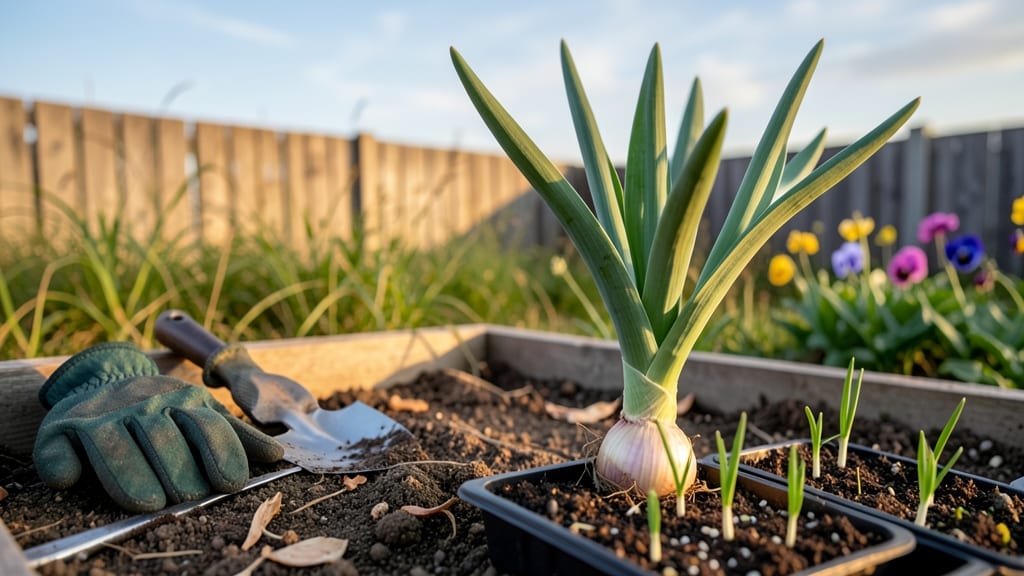
Timing your 🧅 onion planting in East Tennessee isn't just about the calendar—it's about dodging that dreaded bolting (when onions flower early and turn bitter). With just a 2-week window off, you could lose your entire crop, but get it right, and you'll enjoy plump, flavorful bulbs all season long.
Here's the thing: East Tennessee's Zone 6b climate gives you two prime chances to plant—spring and fall—but each has its own sweet spot.
Most gardeners swear by late March to early April for spring planting, but if you're growing short-day varieties, late August to early September might actually give you better results. I'll show you exactly how to time it for maximum success.
What you'll discover is that soil temperature plays a bigger role than you might think. Planting too early when the ground is still chilly can stunt growth, while waiting too long risks heat stress.
I've tested these methods myself and found that soil thermometers are worth the investment—trust me, your onions will thank you.
Ready to stop guessing and start growing? Let's break down the exact planting windows, soil prep secrets, and variety recommendations that will have you harvesting sweet, storage-ready onions from June through November—no bolting in sight.
Best planting windows for onions in East Tennessee Zone 7a
Timing is everything when growing onions in East Tennessee's Zone 7a. The region's last frost date typically falls around mid-April, while the first frost arrives in mid-October.
These dates create a narrow window for successful onion cultivation—plant too early, and your onions may bolt prematurely; too late, and your harvest suffers from stunted growth.
For best results, focus on two planting strategies: spring planting (for summer harvest) and fall planting (for winter harvest). Each method requires precise timing to align with soil temperatures and daylight changes.
In East Tennessee, late March to early April is ideal for spring planting, while late August to early September works for fall planting.
Let's break down the ideal planting windows using a comparison table to help you visualize the best approach for your garden:
In East Tennessee, spring planting is the most popular approach, accounting for about 70% of local onion gardens. However, fall planting offers a second harvest opportunity and can be more reliable in years with unpredictable spring weather.
The key is to match your planting method with the soil temperature and daylight hours—both critical factors in preventing bolting.
For example, planting onion sets in late March gives them time to establish roots before the soil warms up in April. If you opt for transplants, wait until mid-April when soil temperatures consistently stay above 50°F. This timing ensures your onions focus on bulb development rather than flowering.
Don't overlook the importance of microclimates in East Tennessee. Higher elevations (like those in the Great Smoky Mountains) may experience frost 1-2 weeks later than valley areas. Adjust your planting dates accordingly—add 3-5 days for every 500 feet in elevation.
Finally, consider your onion variety. Short-day varieties (like 'Texas Early White') are ideal for East Tennessee's climate, as they're less likely to bolt when exposed to 12-14 hours of daylight. Long-day varieties may struggle unless planted early enough to mature before the summer heat peaks.
By following these planting windows and adjusting for your specific location, you'll maximize your chances of a bountiful, bolting-free onion harvest in East Tennessee's Zone 7a climate. 🌱
Best planting windows for onions in East Tennessee Zone 7a
Timing is everything when growing onions in East Tennessee’s Zone 7a. The key is planting 4-6 weeks before your last frost date (typically late March to early April) for spring crops, or 8-10 weeks before your first frost (usually late August to early September) for fall harvests.
This schedule balances cool soil temps with warm air temps to prevent premature bolting.
Onions are cool-season crops, meaning they thrive in 50-65°F soil temperatures. If you plant too early, the soil may still be cold, stunting growth.
If you wait too long, rising temperatures trigger bolting—the plant’s way of flowering instead of bulbing. East Tennessee’s microclimates (mountain valleys vs. ridges) can shift ideal dates by 1-2 weeks, so monitor local forecasts.
📅 Onion Planting Timeline for Zone 7a
| Season | Planting Window | Soil Temp | Key Consideration |
|---|---|---|---|
| Spring | Late March–Early April | 50–60°F | Avoid bolting with cool nights |
| Fall | Late August–Early Sept | 60–65°F | Harvest before hard frost |
| Backup Window | Early April–Mid-April | 55–60°F | Use shade cloth if temps rise |
🌱 Pro Tip: Test soil temps with a thermometer—plant when it consistently hits 50°F for spring or 60°F for fall.
For spring planting, start with onion sets (small bulbs) or transplants (young plants) to jumpstart growth.
If you prefer growing from seed, start indoors 8-10 weeks before your last frost (around January) for transplants. Fall planting works best with sets or transplants, as seeds take too long to mature before winter.
East Tennessee’s unpredictable spring weather can delay planting. If late frosts hit after your ideal window, use row covers to protect young plants. For fall crops, aim to harvest before the mid-October frost.
If your onions mature too late, dig them up, cure in a dry shade, and store in a cool, dark place for winter use.
Local gardeners often swear by ‘Texas Early White’ for spring and ‘Candy’ for fall, as these varieties handle Zone 7a’s temperature swings well. Day-length sensitive varieties (like ‘Red Baron’) are better suited for fall planting, as they bolt less in shorter daylight hours.
Remember: Soil prep matters. Amend your garden beds with compost or aged manure in fall or early spring to improve drainage and fertility.
Onions hate soggy soil, so raise beds slightly if your yard tends to stay damp. Mulch with straw after planting to retain moisture and suppress weeds—critical in East Tennessee’s humid summers.