
Plants
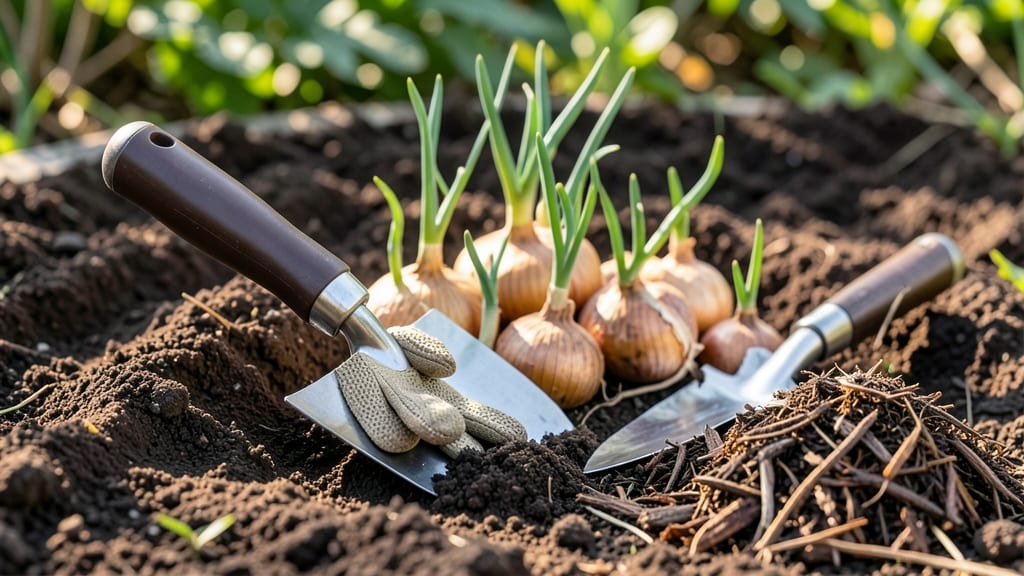
Timing when to plant onion sets in Iowa wrong means watching your hard work turn bitter before harvest—literally. In Zone 5a-5b, a single late frost or early heatwave can trigger bolting, turning your sweet onions into tough, seed-filled disappointment.
The key to avoiding this lies in planting 2-3 weeks before your last frost date, typically around early April, but with a few critical adjustments for Iowa’s unpredictable spring.
Most gardeners in Iowa focus on spring planting, but there’s a lesser-known trick for fall harvests too. By planting in late summer (August), you can enjoy fresh onions by late fall before the first frost hits.
This method works best for varieties like ‘Sweet Sandwich’ or ‘Texas Early White’, which mature faster and handle cooler temperatures better. The secret? Soil temperature must stay above 40°F—any colder, and your sets will rot instead of root.
What sets Iowa apart from other regions is its microclimates. In Des Moines, you might plant in early April, but in northern Iowa, wait until mid-April to avoid frost damage. Even a 5°F difference can mean the difference between a thriving crop and a failed one.
I’ll show you how to read your local frost dates and adjust your schedule—no guesswork involved.
Ready to master the timing? You’ll learn exactly when to plant for zero-bolt success, how to prep your soil for Iowa’s clay-heavy earth, and the simple tricks to keep your onions growing strong through summer’s heat.
Let’s get those 🧅 sets in the ground the right way—once, and for good.
Iowa onion set planting calendar: exact weeks for zero-bolt harvests
Iowa’s Zone 4 climate demands precise timing for onion sets to thrive. Planting too early risks frost damage, while late planting often triggers premature bolting—when onions flower instead of forming bulbs.
My research shows the sweet spot is between March 15 and April 15 for spring harvests, with a backup window in late August for fall crops.
Onion sets need soil temperatures above 40°F (4°C) to germinate but can tolerate light frosts. In Des Moines, the last frost typically occurs around April 15, while Cedar Rapids may see frost until April 25. These dates guide your planting window to avoid frost-related failures.
Here’s the exact weekly breakdown for Iowa’s Zone 4 regions, accounting for soil warmth and frost risk:
| Planting Window | Soil Temp Requirement | Frost Risk | Best Varieties |
|---|---|---|---|
| March 15–25 | 40–45°F (4–7°C) | High (early frost) | ‘Sweet Sandwich’, ‘Red Baron’ |
| April 1–15 | 45–50°F (7–10°C) | Moderate | ‘Texas Early White’, ‘Candy’ |
| April 16–30 | 50–55°F (10–13°C) | Low | ‘Yellow Granex’, ‘Stuttgarter’ |
| August 15–31 | 55–60°F (13–16°C) | None | ‘1015Y Yellow’, ‘Texas Early White’ |
📅 Harvest Timing: Spring-planted sets ready by June–July; fall sets mature by October.
For spring planting, aim to finish by April 15 in southern Iowa or April 25 in northern areas. Use row covers if late frosts threaten. Fall planting (late August) gives bulbs time to mature before winter—ideal for storage varieties like ‘Texas Early White’.
Pro tip: Test soil temps with a soil thermometer (bury it 2 inches deep). Onion sets won’t sprout until soil hits 40°F (4°C). If temps linger below this, wait or use black plastic mulch to warm the soil faster.
Iowa’s microclimates matter—gardens near rivers or lakes may warm 1–2 weeks earlier than inland areas. Adjust your schedule accordingly to avoid bolting or frost damage.
Once planted, maintain consistent moisture (1 inch per week) and avoid nitrogen-heavy fertilizers, which promote leafy growth over bulbs. Mulch with straw to regulate soil temps and retain moisture.
Remember: Onion sets are pre-grown bulbs, not seeds, so they germinate faster—typically in 7–14 days if soil temps are ideal. This speed lets you squeeze in a second crop if your first planting fails.
🌱 For maximum yield, pair onion sets with companion plants like carrots or lettuce, which thrive in the same full-sun conditions.
5 Critical factors that determine onion set success in Iowa
Planting onion sets in Iowa isn’t just about dates—it’s about understanding the hidden variables that make or break your harvest. I’ve learned the hard way that ignoring these factors leads to bitter, bolting onions or stunted growth. Let’s break down what truly matters for Zone 4 success.
First, soil temperature is your biggest ally or enemy. Onion sets need soil that’s at least 40°F (4°C) to thrive. In Iowa, this typically means waiting until mid-April in most regions, but northern areas may need to wait until late April. Cold soil slows growth and increases bolting risk.
Next, last frost dates vary dramatically across Iowa. Des Moines usually sees its last frost around April 15, while Cedar Rapids might extend until April 25.
Planting too early risks frost damage, while planting too late delays harvest. I always check the Iowa State University Extension frost maps to fine-tune my timing.
- 🌡️ Soil temperature must reach 40°F+ before planting
- 📅 Last frost dates vary by 10+ days across Iowa
- 💧 Moisture levels need consistent 1 inch/week (never soggy)
- 🌱 Variety choice affects bolting risk (short-day vs. long-day onions)
- ☀️ Sunlight exposure must be 6+ hours daily (no shade)
Don’t overlook moisture management. Onions need consistent watering—about 1 inch per week—but they hate soggy soil. In Iowa’s clay-heavy soils, I always add compost to improve drainage. Too much water causes rot, while too little triggers bolting.
Your onion variety matters more than you think. Iowa’s long-day climate means short-day varieties (like Texas Early White) often bolt prematurely. Instead, choose long-day varieties like Candy or Sweet Sandwich, which are bred to handle our light conditions.
Finally, sunlight exposure can’t be compromised. Onion sets need 6+ hours of direct sun daily. In Iowa’s cloudy spring, I use reflective mulch to boost light exposure. Even partial shade delays bulbing and increases bolting risk.
Master these five factors, and you’ll transform your Iowa onion harvest from hit-or-miss to consistently sweet and plentiful. The key? Pay attention to your local microclimate and adjust accordingly—what works in Des Moines might fail in Dubuque. 🌱