
Plants
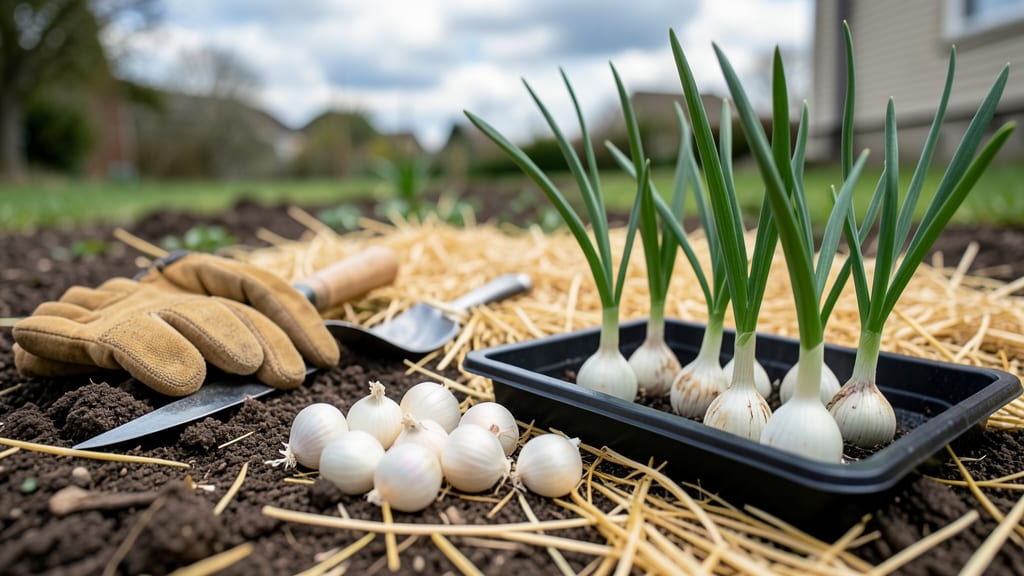
Michigan onion set planting calendar: exact dates by Zone 5B
Michigan’s Zone 5B climate means onion sets thrive with precise timing—too early, and frost zaps your crop; too late, and you’ll miss the sweetest bulbs.
The key is planting 2–4 weeks before your last frost date (typically mid-April in most regions) or 8–10 weeks before the first frost (around early October) for a fall harvest.
Spring planting is the most popular choice, but fall offers a second chance for gardeners who miss the window. Onion sets are hardy and fast-growing, so even late starts can yield a harvest—just adjust your expectations for bulb size.
For Michigan’s short growing season, focus on early-maturing varieties like ‘Sweet Sandwich’ or ‘Red Baron’ to maximize your yield.
Here’s your Zone 5B planting schedule, broken down by season and soil conditions:
| Season | Planting Window | Soil Temp | Key Notes |
|---|---|---|---|
| Spring | March 15 – April 15 | 40–50°F | Plant 2–4 weeks before last frost. Use row covers for early starts. |
| Early Spring | February 20 – March 10 | 35–45°F | Risky but possible with frost protection. Best for fast varieties. |
| Fall | September 1 – September 30 | 50–60°F | Plant 8–10 weeks before first frost. Bulbs mature before winter. |
| Late Fall | October 1 – October 15 | 40–50°F | Only for cold-hardy varieties. Harvest before ground freezes. |
If you’re in northern Michigan (Zone 5A), shift your spring planting 1–2 weeks later to avoid frost. Southern Michigan (Zone 6A) can plant 1–2 weeks earlier and enjoy a longer harvest window. Always check your local frost dates—tools like the Michigan State University Garden Hotline provide region-specific advice.
For container gardening, plant onion sets in late April to early May when soil warms. Containers heat up faster, so monitor soil temperature closely. Use well-draining potting mix and place pots in full sun to prevent bolting (flowering) before harvest.
Pro tip: Hardening off your onion sets before planting is a game-changer. Acclimate them to outdoor temps 5–7 days before transplanting by placing them outside during the day and bringing them in at night. This reduces transplant shock and jumpstarts growth.
Once planted, mulch with straw to retain moisture and suppress weeds. Onion sets need consistent moisture but hate soggy soil—aim for 1 inch of water per week, adjusting for rain. Avoid overhead watering to prevent fungal diseases like downy mildew, which thrives in Michigan’s humid summers.
By following this Zone 5B planting calendar, you’ll avoid the most common mistakes and enjoy a bumper crop of sweet, crisp onions from your Michigan garden.
Next, we’ll dive into how to check soil temperature for foolproof planting—because even the best calendar won’t help if your soil is too cold! 🌱
How to check soil temperature for perfect onion set planting
Onion sets thrive when planted in soil that’s 40–50°F—too cold, and roots struggle; too warm, and they bolt prematurely. Michigan’s unpredictable springs make soil temperature testing a game-changer for your harvest. I’ve learned the hard way that guessing can mean wasted sets or stunted growth!
Start by monitoring soil temps 2–3 weeks before your target planting date. Use a soil thermometer (available for $10–$15) to check 2–3 inches deep, where onion roots will grow. Early mornings (7–9 AM) are ideal for accurate readings, as temps fluctuate less then.
For early spring planting (March–April), aim for soil temps of 40–45°F. If your soil is colder, wait 1–2 weeks or use black plastic mulch to warm it faster. Pro tip: Lay the mulch 1 week before planting to jumpstart soil warmth.
In fall plantings (September–October), target 50°F soil to ensure roots establish before winter. Use a minimum-maximum thermometer to track daily swings—onset of frost can happen suddenly in Michigan, even in October.
If you’re planting in containers or raised beds, soil warms 2–3°F faster than in-ground soil. Adjust your timing 1 week earlier for these warmer microclimates. I’ve seen container-grown sets sprout 10 days sooner than in-ground ones!
Remember: Consistency is key. Check temps for 3 consecutive days to confirm trends. Once your soil hits the sweet spot, plant within 48 hours—onion sets won’t wait forever for perfect conditions!