
Plants
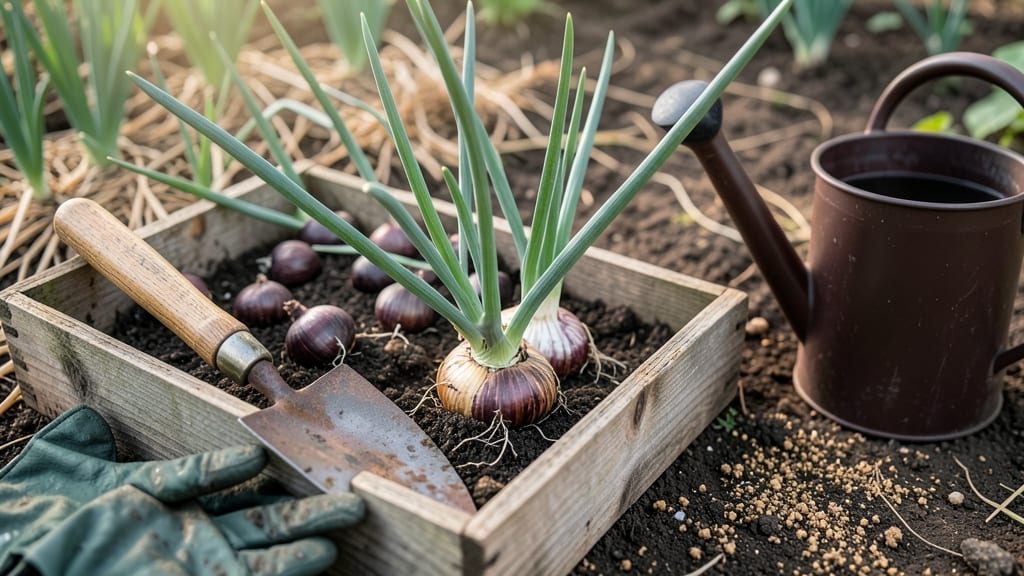
Timing your 🧅 onion planting in Idaho isn’t just about following a calendar—it’s about dodging bolting, frost, and wasted seeds. With USDA zones 4-7 and unpredictable spring weather, getting the window right means the difference between a bumper crop and a sad garden scrap.
Most Idaho gardeners swear by spring planting in March-April, but fall sets (August-September) can also work if you play your cards right. The key? Planting 4-6 weeks before your last frost—typically around mid-April for most regions—so your onions have 120-150 frost-free days to mature.
Here’s the game-changer: short-day onions (like Yellow Sweet Spanish) thrive in Idaho’s climate, while long-day varieties bolt faster. We’ll break down exactly when to plant each type, plus how to adjust for altitude differences between Boise, Coeur d’Alene, and Twin Falls.
Ready to avoid the #1 mistake Idaho gardeners make? Let’s dive into the exact frost-free timeline—and how to stretch your harvest from July through October—without a single onion going to waste.
Idaho onion planting zones: exact frost-free dates by region
Idaho’s diverse USDA zones 3-7 create unique planting challenges, especially for onions that bolt when exposed to cold snaps or long daylight hours. Understanding your last frost date and frost-free window is critical—plant too early, and you’ll trigger bolting; too late, and your harvest shrinks.
Most Idaho regions fall between zones 4-7, with Boise (zone 6b) and Coeur d’Alene (zone 5a) offering distinct timelines.
For spring-planted onions, aim to sow 4-6 weeks before your last frost—typically mid-March to early April in southern Idaho (Boise, Twin Falls) and late March to mid-April in northern zones (Coeur d’Alene, Sandpoint).
Fall planting, less common but viable for green onions, should occur 8-10 weeks before first frost (August-September).
Here’s the breakdown by region, including average frost dates and ideal planting windows for both bulb onions (90-120 days to maturity) and green onions (60 days). Use this as your planting calendar to avoid bolting and maximize yield.
| Region | USDA Zone | Last Frost (Avg.) | First Frost (Avg.) | Spring Planting Window | Fall Planting Window |
|---|---|---|---|---|---|
| Boise | 6b | April 15 | October 15 | March 15 - April 1 | August 15 - September 1 |
| Twin Falls | 6a | April 10 | October 20 | March 10 - March 25 | August 10 - August 25 |
| Coeur d’Alene | 5a | May 5 | September 30 | April 15 - May 1 | July 15 - August 10 |
| Sandpoint | 4b | May 15 | September 15 | May 1 - May 15 | July 1 - July 15 |
*Frost dates vary yearly; monitor local forecasts for adjustments.
For bulb onions, which need 90-120 frost-free days, focus on the spring window in zones 6-7. In cooler zones (4-5), like Sandpoint, green onions are your best bet—they mature in 60 days and tolerate shorter seasons.
Pro tip: Use onion sets (pre-sprouted bulbs) in late April for a summer harvest if starting seeds feels risky.
Altitude also plays a role: High-desert areas like Twin Falls (4,000 ft) can plant 2 weeks earlier than valley regions like Boise (2,700 ft) due to cooler nights. Always check soil temperatures—wait until the ground reaches 45-55°F to prevent bolting. A soil thermometer is your best friend here!
Staggered planting is another Idaho gardener’s secret: Sow half your seeds in early March and the rest in late March to spread out your harvest window. This minimizes bolting risk and ensures you have onions ready from July through September.
For fall planting, prioritize green onions or fast-maturing varieties like Texas Early White to harvest before frost.
Remember, Idaho’s unpredictable spring weather can throw off even the best-laid plans. If a late frost hits, cover seedlings with frost cloth or a lightweight row cover until temperatures stabilize.
And always keep an eye on daylight hours—onions bolt when days exceed 14-16 hours, which happens earlier in northern Idaho.
Finally, don’t overlook microclimates. A south-facing slope in zone 5 might mimic zone 6 conditions, while a low-lying area could face later frosts. Observe your garden’s patterns for 3 years to refine your planting schedule.
With these region-specific timelines, you’ll avoid the heartbreak of wasted seeds and enjoy a bountiful onion harvest every season.
How to avoid onion bolting in Idaho’s unpredictable spring weather
Idaho’s spring weather can be a bolting nightmare for onion growers. Cold snaps followed by sudden warmth trick onions into flowering early, wasting your harvest. The key is controlling soil temperature—onions need 45-55°F soil to grow bulbs, not seeds.
If temperatures dip below 40°F or spike above 60°F, bolting becomes likely.
Start by testing soil temperature before planting. Use a soil thermometer (available at garden centers) to check depths of 2-3 inches. If temps are below 45°F, delay planting or use row covers to warm the soil faster.
In Zone 4-5 areas like Coeur d’Alene, wait until mid-April when soil reliably stays above 50°F.
Choose varieties suited to Idaho’s short season. Short-day onions (like Texas Early White) bolt less in Zone 5-7 than long-day types. For green onions, plant ever-bearing varieties like Evergreen Hardy White—they tolerate cooler temps and won’t bolt as easily.
If you’re unsure, opt for sets (small bulbs) over seeds—they mature 30-40 days faster and reduce bolting risks.
Stagger your planting in 2-3 batches, spaced 2 weeks apart. This extends your harvest window and ensures some onions mature before bolting peaks. For example, plant half in early April and the rest in mid-April.
If late spring brings unusually warm weather, cover newly planted sets with lightweight row fabric to delay growth until temps stabilize.
Water consistently to avoid stress-induced bolting. Drought stress triggers onions to flower early, so keep soil evenly moist (not soggy). Use drip irrigation or soaker hoses to deliver 1 inch of water weekly, focusing on the root zone.
Early morning watering (6-8 AM) prevents evening moisture that can prolong soil cooling and increase bolting risks.
Monitor your crop weekly for early bolting signs: hollow stems, flower stalks, or bitter-tasting leaves. If you catch it early, harvest green onions immediately—they’re still edible. For bulb onions, pull and compost affected plants to prevent seed spread.
In Zone 6-7 (like Twin Falls), bolting often peaks in late May, so plan to harvest or replant by then.