
Plants
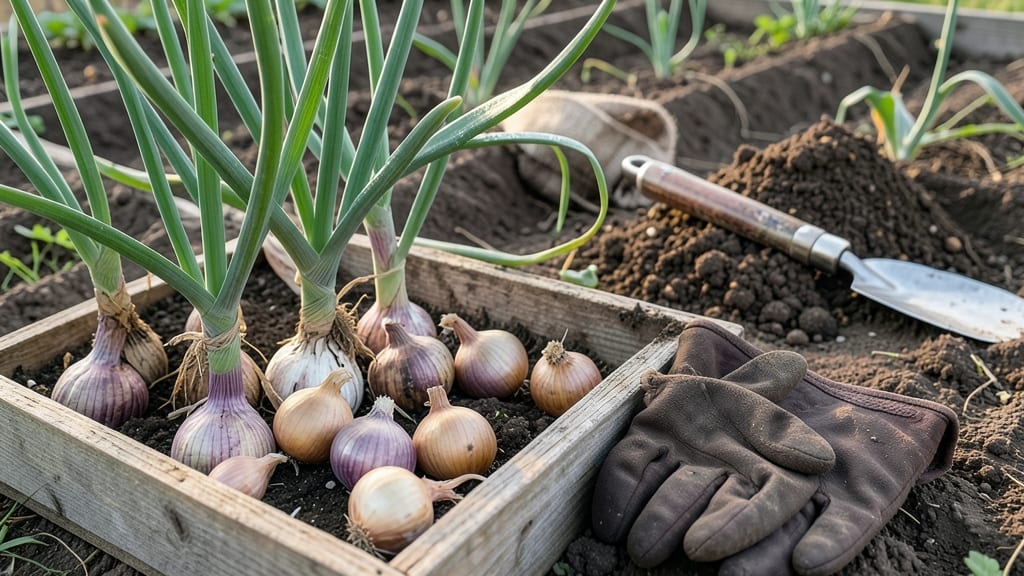
Timing your onion planting in Kentucky could mean the difference between a bumper crop of sweet, juicy 🧅 bulbs and a disappointing harvest. With Kentucky’s 6a-7b climate and unpredictable frost dates, getting those seeds or sets in the ground at the right moment is everything.
Most gardeners know spring is the prime window, but did you realize fall planting can also work in Kentucky? The key lies in understanding your specific onion variety—short-day, intermediate, or long-day—and matching it with the March-April or September-October planting windows that align with your local frost dates.
Whether you’re a first-timer or a seasoned gardener, I’ll walk you through the exact deadlines, soil prep tips, and variety recommendations that work best in Kentucky’s Zone 6a-7b conditions. No more guesswork—just reliable, flavorful onions every season.
Ready to grow onions that’ll make your kitchen the envy of the neighborhood? Let’s get started with the perfect planting schedule for your Kentucky garden.
Kentucky onion planting calendar: frost dates by variety (short-day, intermediate-day, long-day)
Kentucky’s USDA Zones 6a-7b create a unique challenge for onion growers—balancing unpredictable frost dates with three distinct onion varieties. The key? Planting short-day, intermediate-day, and long-day onions at precise times to avoid bolting (flowering prematurely) or frost damage. Let’s break down the exact windows for each type.
Most of Kentucky experiences its last spring frost between March 15 (Zone 6a) and April 1 (Zone 7b), while the first fall frost arrives between October 15 (Zone 6a) and November 1 (Zone 7b).
These dates are your planting anchors—but regional microclimates (like Louisville’s urban heat islands or Northern KY’s cooler valleys) can shift them by 1-2 weeks.
Here’s your Kentucky onion planting calendar, tailored to each variety’s daylight needs:
For Northern Kentucky (e.g., Covington, Madisonville), push spring planting back 1 week due to later frosts. In Southern Kentucky (e.g., Bowling Green), you can start 2 weeks earlier in both spring and fall. Always check your local Cooperative Extension Service for real-time updates.
Pro tip: Use onion sets (small bulbs) for spring planting—they’re faster and more reliable than seeds. For fall, transplants give you a head start on bulb development before winter.
Timing isn’t just about frost—it’s about daylight hours. Plant short-day onions too late, and they’ll bolt before bulbing. Plant long-day onions too early, and they’ll struggle to mature. Kentucky’s intermediate-day varieties (like ‘Texas Early White’) are your safest bet for consistent harvests.
Remember: Soil temperature matters just as much as air temperature. Onions need soil that’s at least 50°F for seeds or 40°F for sets. Use a soil thermometer to confirm readiness—especially in clay-heavy KY soils, which warm up slower.
🌱
How to adjust onion planting for Kentucky’s microclimates and soil conditions
Kentucky’s rolling hills and varied elevations create unique microclimates that can shift onion planting windows by weeks—especially in cold pockets like the Appalachian foothills or urban heat islands in Louisville.
If your garden sits in a low-lying area, expect frost to linger 1–2 weeks longer than average, while south-facing slopes may warm up faster. Always adjust your planting dates by 7–10 days based on your specific location’s frost history.
Most Kentucky gardens struggle with clay-heavy soils that drain poorly, leading to rotten onion bulbs or stunted growth. To fix this, amend your soil with compost or aged manure (2–3 inches mixed into the top 6 inches) at least 4–6 weeks before planting.
This improves drainage while adding organic matter to hold moisture without suffocating roots. For severe clay, consider raised beds filled with a 50/50 mix of garden soil and perlite.
Kentucky gardeners often debate: transplants vs. direct seeding. For spring planting, transplants give you a 2–3 week head start and are ideal if your last frost date is late (like in Zone 6a).
Start seeds indoors 8–10 weeks before your target date (mid-January for most of KY) under grow lights to avoid leggy seedlings.
For fall planting, direct seeding is easier—just sow seeds 4–6 weeks before your first frost (early September in most areas) and protect with row covers if nights dip below 40°F.
Mulching is non-negotiable in Kentucky’s unpredictable spring frosts. Use straw (not grass clippings, which mat down and invite disease) to insulate soil and retain moisture. Apply 2–3 inches of straw 2–3 weeks after transplanting and replenish as it breaks down.
This buffer keeps soil temps 5–10°F warmer during cold snaps, preventing black neck (a fungal disease that turns onion stems black and mushy).
If you’re in Northern Kentucky (near Cincinnati or Covington), where winters are colder, prioritize short-day onion varieties like ‘Candy’ or ‘Texas Early White’. These mature in 90–110 days, giving them time to bulb up before summer heat sets in.
In Southern Kentucky (Bowling Green area), intermediate-day varieties like ‘Yellow Granex’ thrive, stretching your harvest window into late July. Always check seed packets for day-length requirements—planting the wrong type can leave you with all-leaf, no-bulb onions.
Pro tip: Use onion sets (small bulbs) for a guaranteed harvest if your season is short. Sets planted in early spring (March) or late summer (August) mature faster than seeds and are perfect for succession planting.
Just press them 1 inch deep, 4 inches apart, and water deeply to encourage root growth. With these adjustments, even Kentucky’s quirky climate won’t stand between you and a bountiful onion harvest!