
Plants
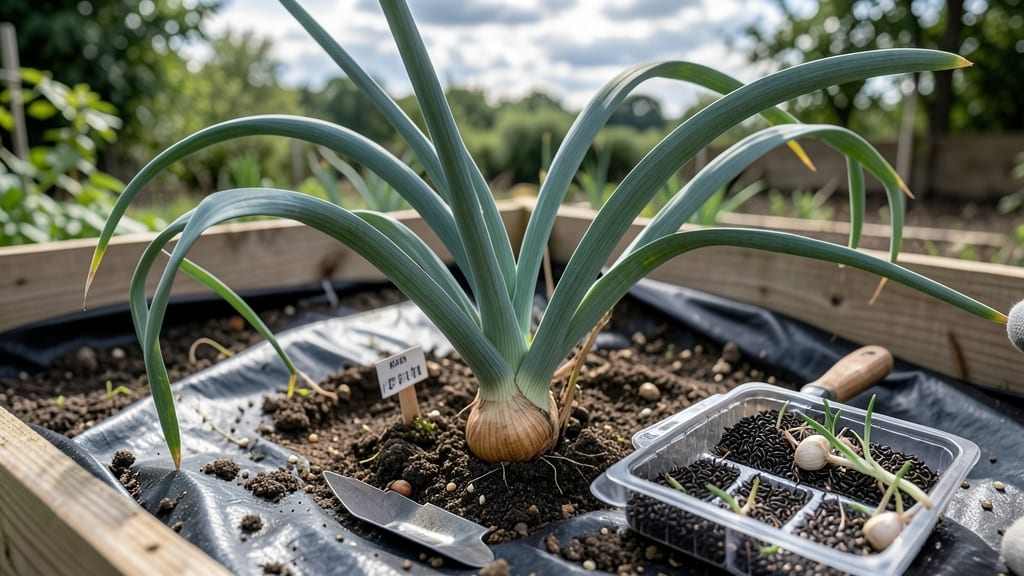
Timing your 🧅 onion planting in Pennsylvania isn’t just about throwing seeds in the dirt—it’s the difference between a bumper crop and bolting before you even get a chance to harvest.
With Pennsylvania’s 5b-7a climate, getting the months right means avoiding those bitter, flower-stalked onions that ruin your whole garden plan.
Most gardeners here swear by March-April for spring planting, but did you know fall onions (August-September) can give you an earlier harvest next year? The key is understanding your last frost date—usually around mid-April—and adjusting for soil that’s at least 40°F before you plant.
Whether you’re starting with sets, transplants, or seeds, I’ll walk you through the exact steps to time your planting for zero-bolt success. No more guesswork—just a foolproof system tailored to Pennsylvania’s unpredictable weather patterns.
Ready to grow onions that actually store well and taste sweeter than store-bought? Let’s break down the best methods for your garden, from soil prep to harvest timing. Your next perfect onion crop starts here.
Pennsylvania onion planting calendar: months and varieties for zero-bolt harvests
Timing your onion planting in Pennsylvania is all about avoiding bolting—that bitter, early flowering that ruins your harvest. The USDA zones 5b-7a across PA mean you’ll need to adjust based on your specific microclimate, but these general guidelines will keep your onions thriving.
The key is planting short-day, intermediate, and long-day varieties at the right time to match your region’s daylight hours.
For most of Pennsylvania, the last frost date falls around mid-April, but this can vary by 1-2 weeks depending on whether you're in the Poconos, Pittsburgh, or Philadelphia areas.
Use this as your starting point for spring planting, while fall plantings should begin 8-10 weeks before the first frost, typically mid-August to early September.
Here’s your Pennsylvania onion planting calendar broken down by variety type and ideal planting windows to ensure zero-bolt success:
| Variety Type | Ideal Planting Months | Soil Temp Threshold | Days to Maturity | Best For |
|---|---|---|---|---|
| Short-Day Onions | March-April (spring) or August-September (fall) | 45-55°F (7-13°C) | 90-120 days | Southern PA, warmer microclimates |
| Intermediate-Day Onions | Late March-April (spring) or late August (fall) | 50-60°F (10-16°C) | 100-130 days | Central PA, most regions |
| Long-Day Onions | April (spring only) | 55-65°F (13-18°C) | 120-150 days | Northern PA, cooler zones |
| Green Onions | March-May or August-October | 40-50°F (4-10°C) | 60-80 days | Year-round harvest |
If you’re in southern Pennsylvania, like near Reading or Lancaster, you can push your spring planting to early March for short-day varieties, while north of State College should wait until late April to avoid frost damage.
For fall plantings, aim to have onions harvested before hard frosts, which typically hit mid-October in most areas.
Pro tip: Use onion sets (small bulbs) for spring planting—they’re easier to time than seeds and give you a head start on the growing season. For fall, seeds or transplants work best, as they need more time to establish before winter sets in.
Always amend your soil with compost before planting to ensure good drainage, which onions desperately need to avoid rotting.
One common mistake Pennsylvania gardeners make is planting long-day onions too early in the south or too late in the north. These varieties require 14+ hours of daylight to form bulbs, so they’re best suited for northern PA’s longer summer days.
If you’re in Philadelphia or Pittsburgh, stick to intermediate-day varieties like ‘Sweet Sandwich’ or ‘Yellow Granex’ for reliable results.
For a continuous harvest, I recommend planting green onions every 2-3 weeks from March through September. They’re fast-growing and tolerate cooler temperatures, making them perfect for cut-and-come-again harvesting.
Store-bought green onions often bolt quickly, so growing your own ensures a steady supply of tender, fresh greens all season long.
Don’t forget to mulch your onions after planting to retain moisture and regulate soil temperature. A 2-inch layer of straw works wonders in Pennsylvania’s variable spring weather, protecting young plants from late frosts while keeping the soil warm enough for growth.
Just be sure to pull back the mulch slightly as bulbs mature to prevent rot.
By following this Pennsylvania-specific planting calendar, you’ll avoid the heartbreak of bolting onions and enjoy a bountiful harvest of sweet, flavorful bulbs straight from your garden. 🧅
How to adjust onion planting for Pennsylvania’s unpredictable spring weather
Pennsylvania’s spring weather is famously unpredictable—one day sunny and warm, the next a late frost that can wipe out tender seedlings. Onions, especially spring-planted varieties, are particularly vulnerable to these swings. The key is flexibility: knowing how to adjust planting dates, protect young plants, and even have backup plans when Mother Nature throws curveballs. I’ve learned the hard way that planting onion sets or seeds too early—say, in late February—can trigger premature bolting, while waiting until mid-April might leave you scrambling if a cold snap hits. The solution? A multi-pronged approach that includes row covers, soil warming, and strategic planting windows tailored to your specific microclimate in PA.The last frost date in Pennsylvania typically falls between mid-April and early May, depending on whether you're in southeastern PA (warmer) or the Poconos (colder). But don’t rely on averages—check your local USDA zone (5b-7a) and track your garden’s history.
For example, if your area averages a last frost on April 15 but you’ve had late frosts in May before, plan to plant 4-6 weeks before that date as a buffer. This means mid-March for most of the state, but late March to early April in colder northern regions.
⚠️ Late Frost Alert: Protect Your Onions!
Cold snaps after planting can kill young onion plants.
- ✅ Row covers: Use lightweight fabric to trap heat and shield plants from 28°F temps.
- ✅ Black plastic mulch: Warms soil by 5-10°F and speeds up germination.
- ✅ Cloche or cold frame: Ideal for early spring or fall plantings.
- ❌ Avoid heavy mulch too early—it can delay warming and encourage rot.
Pro Tip: Plant green onions in containers near your house for easy moving if frost threatens!
If you’re still nervous about late frosts, consider a staggered planting strategy. Start with half your onions 4 weeks before your average last frost and the other half 2 weeks after. This way, if one batch gets nipped by frost, the other will thrive.
For example, in Philadelphia (Zone 7a), plant half in late March and half in early April. In Erie (Zone 6a), shift those dates to early April and mid-April to account for cooler temps.
Another trick I swear by is soil warming. Onions need soil temperatures of at least 40°F to germinate, but cooler soils can delay sprouting for weeks. To speed things up, lay down black plastic mulch or use a soil warming mat 1-2 weeks before planting.
This is especially useful in northern PA, where spring soils can stay chilly well into April. Just
For gardeners in southern PA, where springs can arrive early, don’t overlook fall planting as a backup. Plant short-day onion varieties like Texas Early White in late August for a harvest the following June or July.
This gives you a head start on the season and reduces the risk of spring bolting. Plus, fall-planted onions often produce larger bulbs because they mature during cooler weather.
Finally, keep an eye on your local weather forecasts and have a backup plan. If a hard freeze is predicted after planting, cover your onions immediately with row fabric or blankets. And if all else fails, don’t hesitate to replant!
Onions are resilient, and a second planting in late April or early May can still yield a decent harvest by summer. The goal isn’t perfection—it’s adapting to Pennsylvania’s quirks and still ending up with a bountiful onion crop.