
Plants
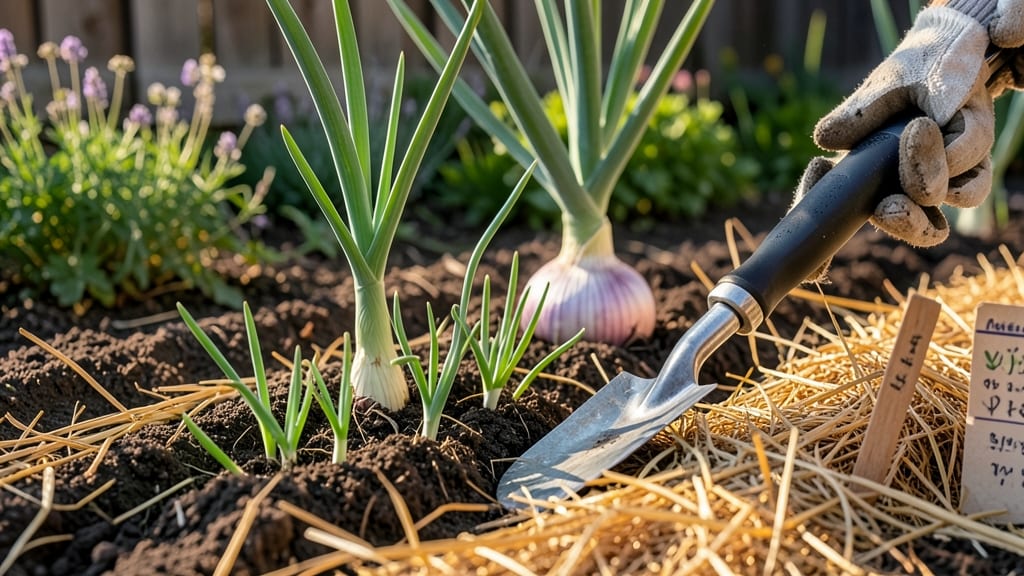
Planting onions in Vermont isn’t just about throwing seeds in the dirt—it’s about timing your 🧅 harvest to avoid the dreaded bolting, where your onions send up flowers instead of bulbs.
With Vermont’s 4b-5b climate and unpredictable frost dates, getting the window right is the difference between a bumper crop and a bitter disappointment.
The key is planting 4-6 weeks before your last frost—typically between early March and mid-April for spring onions, or late August for fall varieties. But here’s the catch: Vermont’s last frost can swing wildly, so knowing your microclimate (Chittenden vs. Windham County) makes all the difference.
I’ll break down the exact frost-date strategy to ensure your onions grow strong, not stubborn.
Whether you’re using sets, seeds, or transplants, the right prep—soil, spacing, and companion plants—sets the stage for success. Let’s dive into the game-changer techniques that’ll have your onions thriving from seed to harvest, no matter what Mother Nature throws your way.
From cold-hardy varieties like ‘Sweet Sandwich’ to organic soil amendments, I’ll cover everything you need to know to make 2024 your best onion-growing year yet. Ready to turn your Vermont garden into a 🧅 powerhouse?
Vermont onion planting calendar: frost dates and optimal windows
Vermont’s short growing season and variable frost dates demand precision when planting onions. The last average frost typically falls around April 15, but this can shift 2-3 weeks earlier in northern regions like Chittenden County or 1-2 weeks later in southern areas like Windham County.
Timing your plantings within these windows prevents bolting (premature flowering) and ensures robust bulbs.
For spring onions, aim to plant 4-6 weeks before your last frost date. This means March 15-April 1 for most of Vermont, with adjustments for your specific USDA Zone (4b-5b).
In Zone 4b (northern Vermont), start as early as late February under row covers or in a cold frame to extend the season.
Fall planting offers a second chance for storage onions. Begin 8-10 weeks before the first frost (around August 15-September 1), allowing bulbs to mature before winter sets in. This strategy works best for long-day onion varieties like 'Red Baron' or 'Sweet Sandwich', which thrive in Vermont’s climate.
Here’s a breakdown of Vermont’s regional frost dates and ideal planting windows to guide your schedule:
| Region | Last Frost Date | Spring Planting Window | Fall Planting Window |
|---|---|---|---|
| Chittenden County (Zone 4b) | April 1-15 | March 15-April 1 | August 15-September 1 |
| Windham County (Zone 5a) | April 15-30 | March 30-April 15 | August 30-September 15 |
| Bennington County (Zone 5b) | April 20-May 5 | April 1-15 | September 1-15 |
Choose sets (small bulbs) for spring planting—they germinate faster and are less prone to rot in cold soil. For fall, transplants or seeds work best, giving roots time to establish before winter. Stagger your plantings every 2 weeks to extend your harvest window and reduce bolting risks.
Vermont’s cool nights and warm days create ideal conditions for onions, but late frosts can still damage young plants. Use frost cloth or low tunnels to protect seedlings until soil temperatures stabilize above 40°F.
This simple step can mean the difference between a thriving crop and a failed harvest.
For organic gardeners, focus on soil health rather than precise timing. Amend your beds with compost and aged manure in fall or early spring to improve drainage and fertility.
Onions prefer well-draining soil with a pH of 6.0-7.0, so test your soil in autumn to make adjustments before planting.
Remember, bolting is your biggest enemy in Vermont’s climate. This happens when onions sense long daylight hours too early. To prevent it, avoid planting short-day varieties (like 'Texas Early White') in spring—they’ll bolt before bulbing.
Instead, opt for day-neutral or long-day varieties suited to Vermont’s 14-16 hour daylight in summer.
Pro tip: Harvest a few test bulbs in July to check for size and quality. If they’re small, add a light nitrogen fertilizer (like fish emulsion) to encourage growth without triggering bolting. Adjust your schedule next year based on these early results.
With Vermont’s unpredictable weather, flexibility is key. Keep a planting journal to track your success and refine your timing each year. Soon, you’ll master the art of growing sweet, pungent onions that make Vermont’s short season feel endless.
How to adjust onion planting for Vermont’s unpredictable spring weather
Vermont’s spring weather can be as unpredictable as a mountain hiker’s trail—one day sunny, the next a surprise frost. To protect your onion harvest, I’ve learned to use season-extending tricks that work even when Mother Nature throws curveballs.
The key is staggered planting and cold-hardy varieties that tolerate late frosts without bolting.
Start by planting onion sets in early March under a lightweight row cover. This gives you a head start while protecting tender shoots from late frosts.
For seeds or transplants, wait until mid-April—just 4 weeks before Vermont’s average last frost date of April 15—but always have a backup plan.
Here’s my foolproof method: Plant 1/3 of your sets in early March, another 1/3 in late March, and the final third in early April. This staggered approach ensures a continuous harvest, even if one batch gets nipped by frost.
For extra insurance, choose cold-tolerant varieties like 'Sweet Sandwich' or 'Red Baron', which handle Vermont’s USDA Zone 4-5 climate like champs.
🚨 Warning Signs of Bolting
- Shoot spikes appear before bulbs form.
- Leaves yellow rapidly in warm weather.
- Plants flower prematurely (white blooms).
Bolting = bitter onions. Prevent it by avoiding over-fertilizing with nitrogen and planting at the right time.
If a late frost hits after planting, don’t panic. Onion sets can survive 20°F temperatures if dry, while seedlings need protection until they’re 4-6 inches tall. Use floating row covers or even old bedsheets to shield them.
For extra warmth, add a thick mulch layer of straw—it insulates roots and keeps soil temps stable.
Another trick? Plant onions near companion plants like carrots or lettuce. These act as living mulch, shading soil and reducing temperature swings. And if summer arrives early with unseasonable heat, shade cloth (30-50%) can prevent bolting by keeping soil temps cool.
Remember: Vermont’s short growing season demands flexibility. By combining staggered planting, cold-hardy varieties, and protective covers, you’ll outsmart even the most unpredictable spring. Your reward? A bumper crop of sweet, pungent onions—no matter what the weather throws at you. 🌱