
Plants
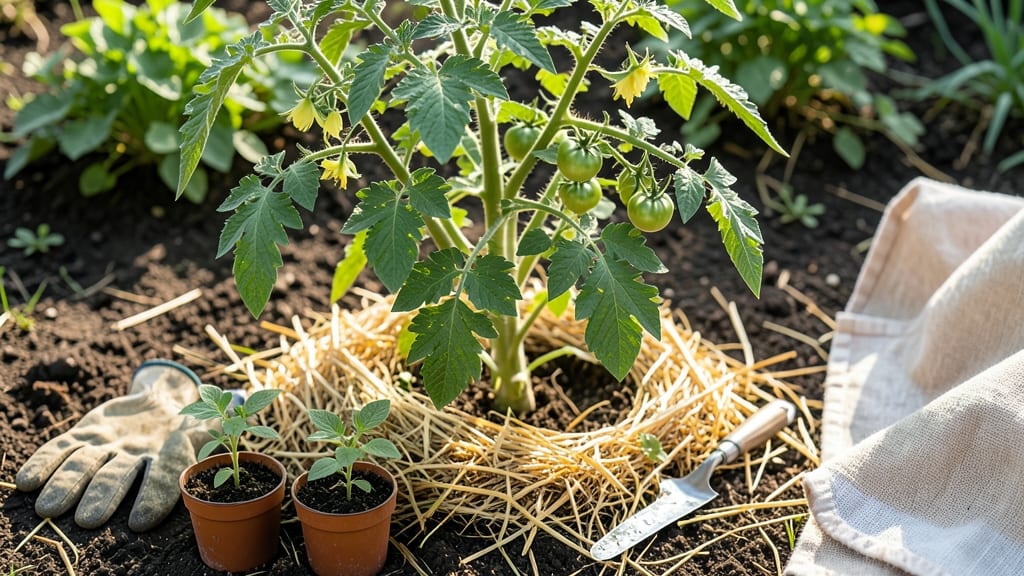
Timing when to plant outside in Ohio can feel like playing a high-stakes game of nature’s roulette—get it wrong, and your 🌱 general vegetables & plants might not survive the chill.
The key to a thriving garden lies in knowing exactly when to plant after that last frost, because rushing too soon or waiting too long can mean the difference between a bountiful harvest and wasted effort.
Ohio’s USDA Zone 6a climate means frost dates vary dramatically from northern to southern regions, with the average last frost typically landing between mid-April and early May.
But here’s the catch: soil temperature matters just as much as air temperature, and cold frames or row covers can give you a head start on the season. If you’re eager to get planting, I’ll show you how to work with Ohio’s unpredictable weather to maximize your growing window.
Whether you’re dreaming of juicy tomatoes, crisp lettuce, or vibrant flowers, the right planting schedule ensures your hard work pays off. In this guide, I’ll break down the best times to plant everything from cool-season greens to heat-loving peppers, plus smart strategies to extend your growing season when frost threatens.
Let’s make sure your garden thrives—no guesswork required.
From understanding microclimates to mastering succession planting, you’ll have all the tools to turn Ohio’s growing season into your own personal Eden. Ready to dig in?
Ohio planting zones: frost dates and last average frost timelines by region
Ohio spans USDA Hardiness Zones 5b to 6a, meaning frost dates vary dramatically from the Appalachian highlands to Lake Erie’s coastal plains.
In northern Ohio (e.g., Cleveland, Toledo), the last spring frost typically arrives April 15–May 1, while southern Ohio (e.g., Cincinnati, Columbus) sees frost-free conditions by April 1–April 15. These variations can shift your planting window by 3–4 weeks—critical for warm-season crops like tomatoes and peppers.
Southern Ohio’s milder microclimate (thanks to the Ohio River) often allows for earlier planting of warm-season veggies, but northern regions near Lake Erie may experience late-spring frosts due to cold air pooling.
Urban areas like Columbus can be 5–10°F warmer than rural zones, creating microclimates where herbs and greens thrive weeks earlier than in surrounding farmland.
Here’s how to use these frost dates to plan your garden:
| Region | Last Spring Frost | First Fall Frost | Frost-Free Days | Planting Notes |
|---|---|---|---|---|
| Northern Ohio (Cleveland, Toledo) | April 25–May 10 | October 10–15 | 130–150 days | Wait until May 15 for tomatoes; use row covers. |
| Central Ohio (Columbus, Dayton) | April 15–20 | October 5–10 | 150–170 days | Peppers can start April 25; extend season with cold frames. |
| Southern Ohio (Cincinnati, Athens) | April 1–10 | October 20–25 | 180–200 days | Plant sweet potatoes by April 15; longer harvest window. |
| Appalachian (SE Ohio) | May 1–10 | October 1–5 | 120–140 days | Short season; focus on fast growers like bush beans. |
For urban gardeners, city heat islands can push last frost dates 1–2 weeks earlier than rural areas. Test your soil temperature with a soil thermometer—most seeds need 60°F+ for germination.
If your area is unpredictable, wait until May 1 to plant frost-sensitive crops like eggplants or okra.
Pro tip: Use the National Weather Service’s frost prediction maps or local Cooperative Extension offices for hyper-localized data. In my Columbus garden, I’ve lost entire tomato plants by planting too early—always err on the side of caution for warm-season crops.
Remember, fall planting follows the reverse timeline. Cool-season crops like kale and spinach can tolerate light frosts, so sow seeds 6–8 weeks before your first fall frost (e.g., September 1–15 in most of Ohio). This gives them time to mature before winter sets in.
Microclimates near Lake Erie or rivers can create pockets of warmth. For example, my backyard near the Scioto River stays 5°F warmer than my neighbor’s yard on the city’s north side. Observe your garden’s unique conditions for 3–5 years to refine your planting schedule.
🌱
Best planting schedule for Ohio: vegetables, flowers, and perennials by month
Ohio’s growing season spans roughly 165 frost-free days, but timing varies dramatically between northern and southern regions. For most of the state, mid-April to early May marks the safest window for warm-season crops after the last frost.
However, cool-season vegetables like spinach and kale can handle light frosts and often thrive when planted in early spring or late summer.
Northern Ohio (USDA zones 5b-6a) typically waits until May 1-15 for heat-loving plants like tomatoes and peppers, while southern Ohio (near zone 6b) can start as early as April 15.
Always check your local frost-free date—some years, late frosts linger into May, especially in valleys or near Lake Erie.
🌱 Key Tip: Use a soil thermometer to confirm soil temps—warm-season crops need soil at 60°F+ before planting.
📅 Ohio Planting Calendar by Month
- 🌱 March: Start cool-season crops indoors (lettuce, broccoli) or plant hardy greens (spinach, peas) outdoors if soil is workable.
- 🌿 April: Direct-sow carrots, radishes, and onions. Transplant cold-hardy perennials (lavender, coneflowers) after frost risk passes.
- ☀️ May: Plant tomatoes, peppers, and cucumbers after last frost. Succession-sow bush beans every 2 weeks.
- 🌻 June: Direct-sow fall crops (kale, Brussels sprouts) for late harvests. Transplant herbs (basil, cilantro) if missed earlier.
- 🍂 July-August: Plant cool-season crops (spinach, arugula) for fall harvests. Extend season with row covers.
- 🌰 September: Sow garlic and hardy bulbs (tulips) for next year. Harvest late-season tomatoes with row covers.
For perennials, timing depends on the plant. Herbaceous perennials like black-eyed Susans can be planted in spring or fall, while woody plants (shrubs, trees) thrive when planted in early spring or fall for established root growth before winter.
Ohio’s microclimates play a huge role—urban areas often warm up faster than rural spots, while valleys hold frost longer. If you’re unsure, use frost cloth or row covers to protect tender plants until May 15, the state’s historical average for last frost in most regions.
Pro tip: Succession planting every 2 weeks ensures a continuous harvest of lettuce, radishes, and bush beans all season long. Even in Ohio’s short growing window, this strategy maximizes your garden’s potential!