
Plants
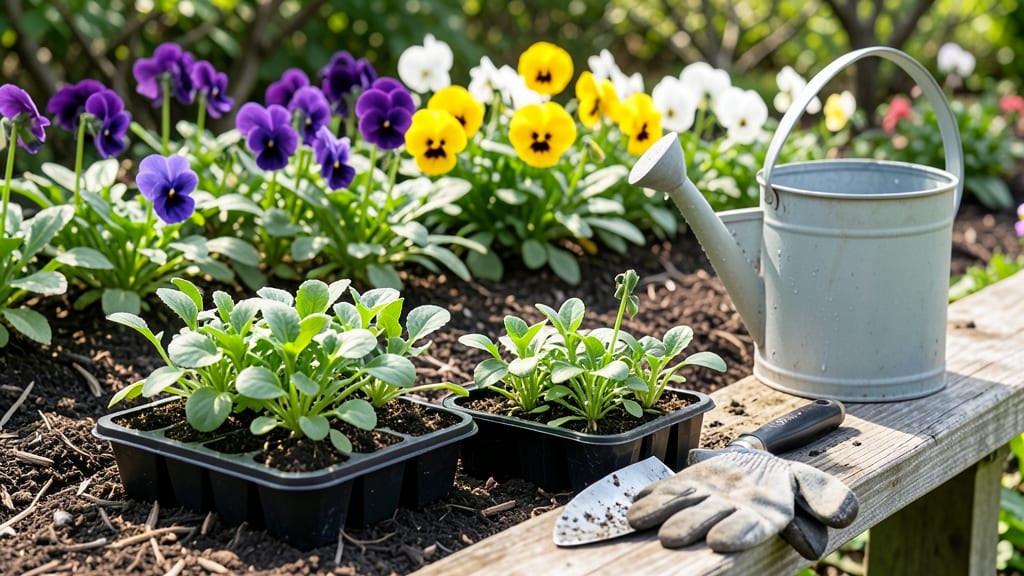
Planting pansies in Massachusetts can feel like a guessing game—get the timing wrong, and your vibrant 🌸 blooms might not survive a late frost or fade before winter sets in.
But with the right strategy, you can enjoy nonstop color from early spring through late fall, even in Zone 6a's unpredictable climate.
The key is planting at the perfect moment: 4-6 weeks before your first frost in fall or after the last frost in spring. This ensures your pansies establish strong roots before harsh weather hits, giving you the longest possible bloom season.
Whether you're a seasoned gardener or just starting, these windows make all the difference.
I’ll walk you through the exact frost-date calendar for Massachusetts, so you can plant with confidence—no more second-guessing whether your pansies will thrive or wilt. Plus, I’ll share pro tips to protect them through winter, so your garden stays colorful even when snowflakes start to fly.
Ready to transform your yard into a year-round display of cheerful faces? Let’s dive into the best times to plant pansies in Massachusetts and keep them blooming beautifully, no matter the season.
Massachusetts frost-date calendar: best pansy planting windows by season
Massachusetts’ USDA Zone 5-6 climate means frost dates can shift yearly, but pansies thrive when planted strategically around these key windows. The average last frost typically hits April 15, while the first frost often arrives October 15.
Coastal areas like Cape Cod may have 2-3 weeks later frost dates, so adjust accordingly.
For spring blooms, aim to plant 4-6 weeks after your last frost date—usually mid-to-late April. This gives pansies time to establish roots before summer heat. Fall planting is even more critical: seed or transplant 4-6 weeks before the first frost, ideally by early-to-mid September for winter color.
Pansies are frost-tolerant but won’t survive hard freezes (below 20°F). In Zone 6a regions like Boston, late October plantings may need frost protection if temperatures drop sharply. Inland areas like Worcester face earlier frosts, so plant 2 weeks earlier than coastal zones.
If you’re aiming for year-round color, stagger plantings: start with early September for fall blooms, then add late March/April for spring. Succession planting every 3-4 weeks ensures continuous blooms. For container gardens, use black fabric pots to retain heat and delay frost damage.
Pro tip: Use the National Weather Service’s frost calendar for your specific Massachusetts town—local variations can be 1-2 weeks off from statewide averages. For example, Nantucket often has 30-day later frost dates than Springfield.
For mass plantings, space pansies 8-12 inches apart to allow airflow and reduce fungal diseases like powdery mildew, common in humid MA summers. Mix in calendula or marigolds as companions—they deter pests and improve soil health.
Remember: Pansies bloom best at cooler temps (below 75°F). In hot July, they may bolt (go to seed). Use shade cloth (30-50%) to protect them during peak summer heat, especially in western MA where temperatures climb faster.
Finally, soil temperature matters—pansies won’t thrive in cold, wet soil. Wait until soil reaches 45°F before planting, even if air temps are warmer. A soil thermometer is your best friend for fall plantings.
With these frost-date guidelines, you’ll enjoy vibrant pansies from spring through frost, turning your Massachusetts garden into a year-round color show. 🌸
Massachusetts frost-date calendar: best pansy planting windows by season
Massachusetts’ USDA Zone 5-6 climate means late spring frosts and early fall chills can devastate pansies if planted at the wrong time. The key is aligning your planting with average last frost dates—typically April 15 for most inland areas and May 1 along coastal regions like Cape Cod.
For fall planting, aim for September 15-October 1, giving roots time to establish before first frost hits around October 15.
Coastal areas like Boston and Providence enjoy slightly milder microclimates, allowing a 2-week extension for both spring and fall planting. Inland regions near Worcester or Springfield, however, face harsher conditions—stick to the earlier deadlines to avoid frost damage.
Use local Massachusetts Gardeners’ Network frost reports or the National Weather Service for real-time adjustments.
| Season | Planting Window | Key Deadlines | Notes |
|---|---|---|---|
| Spring | 4-6 weeks after last frost | April 30 (inland), May 15 (coastal) | Use frost cloth if late frosts linger. |
| Fall | 4-6 weeks before first frost | September 15 (inland), October 1 (coastal) | Ideal for winter color—blooms until snow covers. |
| Winter | Not recommended (unless using heated containers) | N/A | Risk of root heave in frozen soil. |
For year-round color, stagger plantings: start with fall pansies in September, then add spring varieties in April. This creates a continuous bloom cycle from early autumn through late spring. Just ensure your soil temperature stays above 45°F (7°C)—pansies won’t thrive in colder, soggy ground.
Pro tip: Test your soil’s drainage before planting. Pansies hate waterlogged roots, which are common in Massachusetts’ heavy clay soils. Amend with compost or sand to improve aeration. Space plants 8-12 inches apart for optimal airflow and bloom production.
If you’re in a high-elevation area (e.g., Berkshires), plant 2 weeks later than inland zones—these regions experience earlier frosts due to cooler temperatures. Monitor your local Cooperative Extension Service updates for microclimate-specific advice.
Remember: Pansies are frost-tolerant but not frost-proof. A hard freeze below 20°F (-7°C) will kill them, so plan accordingly. With the right timing, you’ll enjoy bold blooms from September to June—no summer break needed! 🌸