
Plants
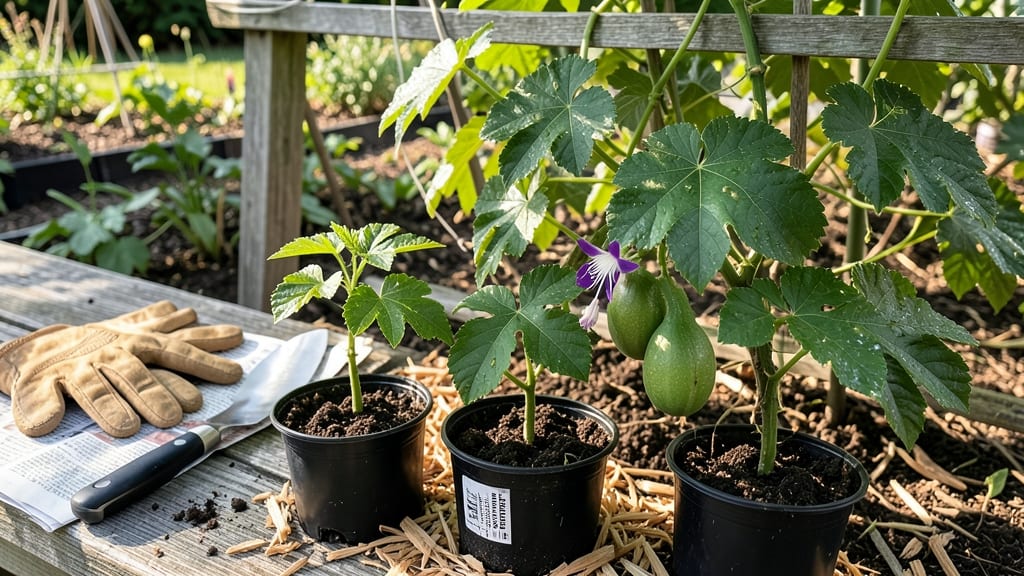
If you’ve ever dreamed of growing your own passion fruit 🍈 in California, timing is everything—plant too early, and frost could wipe out your vines; too late, and you might miss that sweet summer harvest.
The perfect planting window depends on whether you’re in foggy coastal Zone 10 or the sunbaked deserts of Zone 9b, where even a few degrees can make or break your crop.
Here’s the secret: coastal gardeners can plant year-round thanks to mild winters, while inland growers should wait until late winter or early spring (think February–March) to avoid those sneaky late frosts.
I’ll break down exactly when to start seeds versus transplants, how to read your local microclimate, and why soil temperature matters more than the calendar.
You’ll also discover how to stretch your growing season with simple tricks—like using row covers or choosing cold-hardy varieties—that keep your vines thriving even in California’s trickiest zones. No more guesswork, just a foolproof plan to turn your backyard into a passion fruit paradise.
Ready to dive in? Let’s get those vines in the ground at the ideal moment for your exact corner of California—because when it comes to passion fruit, timing isn’t just a detail, it’s the difference between a bountiful harvest and a sad, frost-nipped vine.
California’s passion fruit planting zones by microclimate (with frost-free timelines)
California’s passion fruit vines (Passiflora spp.) thrive in USDA Zones 8–11, but the 100+ mile coastal fog belt and inland desert heat create wildly different planting windows. In Zone 10 (coastal), you can plant year-round—no frost risk!
But in Zone 8 (Central Valley), a late December frost could wipe out young vines. Let’s break down your exact microclimate.
Start by checking your last frost date. Inland areas like Sacramento (Zone 9a) average their last frost around March 15, while Palm Springs (Zone 11) has zero frost risk.
Coastal cities like San Francisco (Zone 10) can plant any month, but Santa Barbara’s cold pockets (Zone 8b) need to wait until after April 15.
Here’s how to match your location to the perfect planting window:
| Microclimate Zone | USDA Zone | Last Frost Date | Ideal Planting Window | Notes |
|---|---|---|---|---|
| Coastal Fog Belt (San Francisco, Santa Cruz) | 10 | None | Year-round | Fog reduces heat stress; plant anytime. |
| Central Valley (Sacramento, Fresno) | 8b–9a | March 15 | February–April | Use frost cloth if planting in Feb. |
| Desert (Palm Springs, Riverside) | 11 | None | Year-round | Shade cloth needed in summer (100°F+). |
| Mountain Foothills (Santa Barbara cold pockets) | 8b | April 15 | May–June | Wait for soil temps >65°F. |
For spring planting (best for most zones), aim for February–April in inland areas. Coastal gardeners can start seeds indoors in January for transplanting by March. If you’re in a Zone 8–9 area, avoid planting before March—even hardy varieties like Passiflora edulis can suffer frost damage.
Pro tip: Use soil thermometers to confirm temps are above 65°F before planting. Passion fruit vines won’t germinate in cold soil, and young roots can rot if too wet. In desert zones, plant in late summer (August–September) to avoid 100°F+ soil, which can scorch seedlings.
If you’re in a transition zone (e.g., Los Angeles County), split your planting: Start half in March and half in September for staggered harvests. This works because passion fruit vines flower and fruit on new growth, so two plantings = double the yield.
For container growing, coastal gardeners can plant anytime, but inland growers should wait until after May 1 to avoid late frosts. Containers dry out faster, so water deeply every 2–3 days in summer. Use well-draining potting mix with perlite to prevent root rot.
Remember: Passion fruit vines grow 10–30 feet tall, so plan your trellis or fence now. In coastal areas, vines may grow slower due to foggy mornings, but they’ll still produce fruit if given full sun in afternoons.
Inland vines grow faster but need daily watering in summer.
🌱
How to time passion fruit planting for maximum yield (soil temp + moon phases)
Timing your passion fruit planting isn’t just about avoiding frost—it’s about aligning with soil temperatures and lunar cycles to boost yield. In California, soil should reach 65–85°F before planting, which typically happens by mid-March in inland zones and year-round in coastal areas.
Use a soil thermometer to confirm—cold soil stunts root growth, while overheated soil stresses young vines.
For coastal gardeners (USDA Zone 10), you can plant anytime after frost risk, but aim for spring equinox (March 20) to sync with root growth phases.
Inland zones (Zone 8-9) should wait until after last frost (mid-April)—check local frost dates via Almanac.com or your local Cooperative Extension office for precision.
🌱 Key Timing Factors for Passion Fruit
- Soil Temp: 65–85°F (use a thermometer)
- Moon Phase: Root phase (waxing moon) for seeds, fruit phase (full moon) for transplants
- Frost Risk: Wait 2 weeks after last frost in inland zones
- Heat Waves: Avoid planting during 90°F+ soil (wait for temps to drop)
- Season Extension: Use row covers for early spring starts in Zone 8-9
Lunar planting isn’t superstition—it’s science. Passion fruit vines thrive when planted during the waxing moon (root growth phase) for seeds or the full moon (fruit-bearing phase) for transplants. Check a lunar calendar like Old Farmer’s Almanac to align your planting with these cycles.
For example, planting seeds during a waxing gibbous moon in March gives roots a head start before summer heat arrives.
In colder microclimates like Santa Barbara’s inland valleys or Sacramento’s Central Valley, extend the growing season with row covers or a small greenhouse. Start seeds indoors in January (Zone 8) and transplant outdoors after April 15.
Coastal areas can skip this—just plant directly in well-draining soil with 6+ hours of sun.
Pro tip: If you’re in a high-desert zone (e.g., Palm Springs), plant in late winter (February) to avoid summer heat stress. Mulch heavily with wood chips to retain moisture and cool roots.
In foggy coastal zones (e.g., San Francisco Bay Area), plant in early spring (March) to take advantage of longer daylight hours before summer fog sets in.
Remember, passion fruit vines take 180–240 days to bear fruit. Planting too late in Zone 8-9 risks a shortened harvest window—aim for June–September fruiting by starting in March–April. Coastal gardeners can enjoy year-round harvests with staggered plantings every 2 months.