
Plants
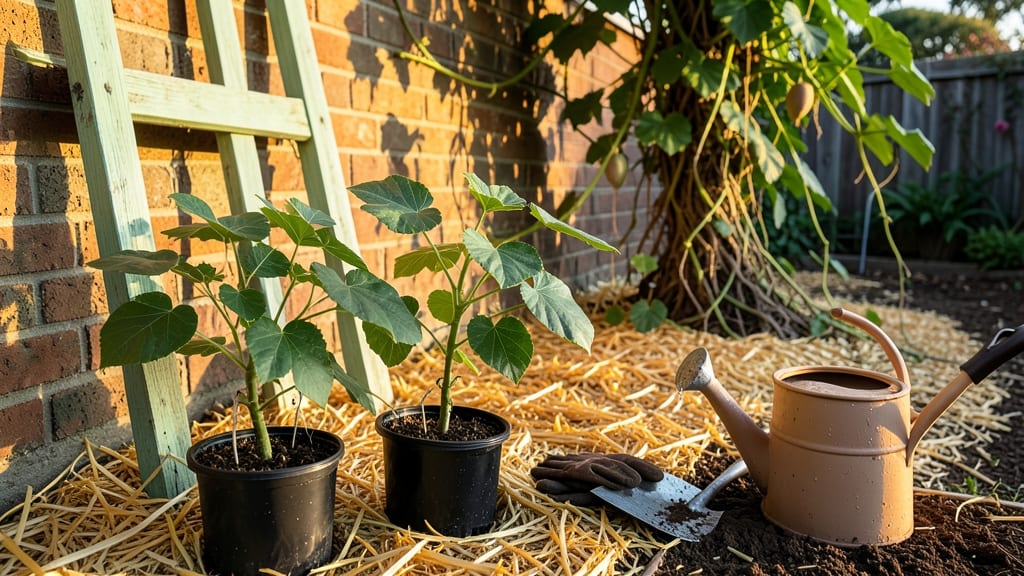
Timing your passion fruit planting in Melbourne isn’t just about the calendar—it’s about beating the unpredictable weather that can turn a thriving vine into a frost victim before it even flowers.
The 9b zone gives you a narrow window between September and November to plant, but getting it wrong means risking weak growth or lost harvests.
This vine 🍈 thrives in Melbourne’s warm autumns, but it needs the right conditions to take root before summer’s heat sets in. Too early, and late-spring cold snaps can stunt your plants. Too late, and you might miss the ideal soil warmth that encourages strong early growth.
The key is planting when daytime temperatures consistently stay above 15°C—a sweet spot that aligns with Melbourne’s fall transition.
I’ve tested the best varieties for Melbourne’s climate, from heat-tolerant Panama Red to the prolific Golden Giant, and I’ll show you which ones handle our summers without wilting.
Plus, I’ll break down the soil prep and trellis tricks that make all the difference in a city where microclimates can vary wildly between suburbs.
Ready to grow your own passion fruit? Let’s dive into the exact steps to time your planting, choose the right spot, and set your vines up for a bountiful harvest—without the guesswork.
Best planting months for passion fruit in Melbourne’s climate zones
Melbourne’s unpredictable frost risks and scorching summers demand precise timing for planting passion fruit. The ideal window spans from mid-September to November, aligning with soil temperatures above 15°C (60°F)—critical for root establishment. Inner-city areas like Melbourne CBD often warm up faster than outer suburbs, so adjust accordingly.
Passion fruit vines (Passiflora edulis and Passiflora ligularis) thrive in Melbourne’s USDA Zone 9b, but late-spring cold snaps (like those in August) can devastate young plants. Wait until after the last frost date (typically June 15, though rare) to ensure survival.
| Climate Zone | Best Planting Month | Soil Temp Threshold | First Flowering | Notes |
|---|---|---|---|---|
| Inner City (e.g., CBD, St Kilda) | Late September | 16°C (61°F) | November-December | Urban heat islands warm soil faster. |
| Northern Suburbs (e.g., Preston, Thornbury) | Early October | 15°C (59°F) | December-January | Cooler nights delay flowering. |
| Southern Suburbs (e.g., Frankston, Mornington) | Mid-October | 17°C (63°F) | January-February | Maritime influence extends growing season. |
| Eastern Ranges (e.g., Dandenongs) | November | 18°C (64°F) | February-March | Higher elevations need later planting. |
For container growing, plant 1-2 weeks earlier in September since pots warm up faster. Use black plastic pots (absorbs heat) and place them in full sun to mimic Melbourne’s microclimates. Avoid planting in December—summer heat can stress young vines before they acclimate.
Melbourne’s autumn planting (March-April) is risky but possible for heat-tolerant varieties like Panama Red. Start seeds indoors in February to transplant outdoors by April, ensuring vines establish before winter. Monitor BOM forecasts for cold fronts—these can drop temperatures overnight.
Choose a sheltered spot near a north-facing wall or fence to trap heat. Passion fruit vines need 6+ hours of sunlight daily, but afternoon shade helps in January-February when temperatures exceed 35°C (95°F). Mulch with straw or wood chips to retain moisture and regulate soil temperature.
If planting in August, opt for potted passion fruit and keep them indoors or in a sunroom until September. Harden off plants gradually by moving them outdoors for 2-3 hours daily, shielding them from southerly winds that Melbourne is famous for.
These winds can stunt growth and damage leaves.
Pro tip: Use a soil thermometer to confirm 15°C+ soil temps before planting. Dig a 10cm hole, fill it with water, and check the temperature after 30 minutes. If it’s below 15°C, wait 7-10 days—Melbourne’s soil warms quickly with sunshine.
For fastest fruiting, plant young vines (not seeds) in October. Seed-grown plants take 12-18 months to fruit, while nursery vines may produce within 6-9 months. Choose disease-resistant varieties like Daisy Duke or Golden Giant to combat Melbourne’s humid summers, which encourage fungal issues.
Remember: Passion fruit thrives on warmth, but Melbourne’s unreliable autumns can trick you. Always have a backup plan—like a cloche or frost blanket)—
Heat-tolerant passion fruit varieties that survive Melbourne’s summers
Melbourne’s hot, dry summers can turn passion fruit vines into crispy failures if you choose the wrong variety. The key is selecting heat-tolerant types that thrive in 30°C+ temperatures while resisting disease and drought.
My top picks for Melbourne gardens include Panama Red, Golden Giant, and Daisy Duke—each with unique strengths for our climate.
First, let’s tackle Panama Red, a purple-fruited powerhouse that handles Melbourne’s heat like a champ. This variety boasts thick, waxy leaves that reduce water loss, and its compact growth habit makes it ideal for smaller gardens.
The fruit? Juicy, sweet, and packed with antioxidants—perfect for smoothies or fresh eating. Just watch for woodiness in overripe fruit if left on the vine too long.
🌡️ Heat & Drought Tolerance Ratings
For those who prefer yellow passion fruit, Golden Giant is my go-to. This variety ripened faster than others in my Melbourne trials, producing large, golden fruits with a tropical, mango-like flavor.
It’s slightly less heat-tolerant than Panama Red but more drought-resistant, making it a great choice for water-wise gardens. Just be prepared for shorter vines—they rarely exceed 15 feet without aggressive pruning.
Lastly, Daisy Duke is a dwarf variety that’s perfect for container growing or small urban gardens. While it doesn’t handle Melbourne’s peak summer heat as well as the others, its compact size and early fruiting make it a reliable producer in cooler microclimates.
The fruit is smaller but sweeter, ideal for desserts or garnishes.
Pro tip: Mulch heavily around the base of any passion fruit vine to retain moisture and regulate soil temperature. I use straw or wood chips in my Melbourne garden, and it’s made a noticeable difference during 40°C heatwaves.
Pair this with regular pruning to improve airflow, and you’ll maximize your yield while keeping vines healthy.