
Plants
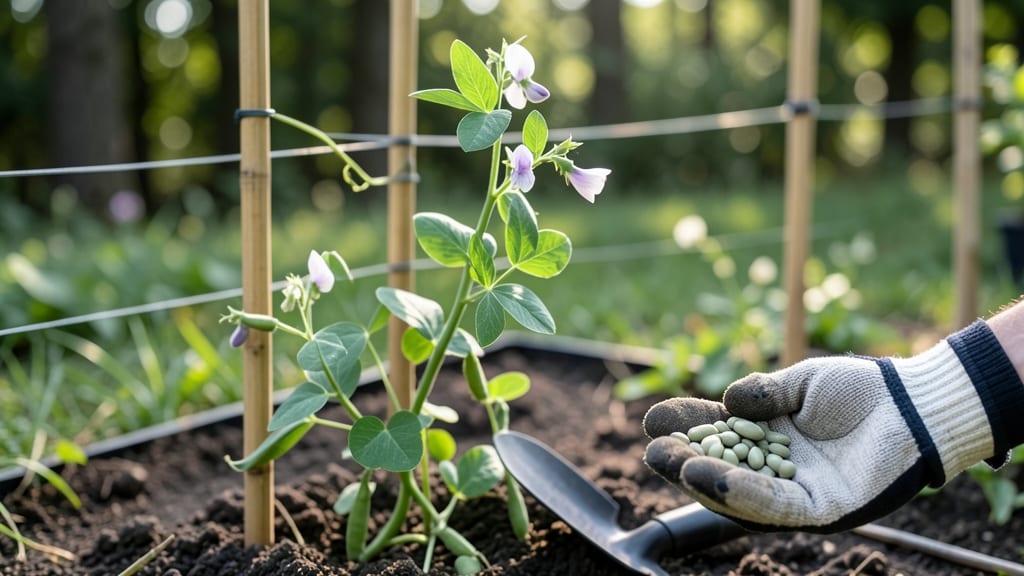
If you've ever watched your pea plants bolt too early—turning sweet pods into bitter failures—you know timing is everything in Arkansas's unpredictable climate. The perfect planting window for peas here isn't just about dates; it's about beating heat stress and soil temperature swings that trigger bolting before harvest.
With Arkansas's 7a-8b zones and frost dates that vary from the Ozarks to the Delta, getting it right means the difference between a bumper crop and wasted seeds.
Most gardeners focus on the February-March spring window, but fall planting (August-September) can work too—if you choose the right varieties and prep your soil correctly.
The key isn't just throwing seeds in the ground; it's understanding when your soil hits that 40-50°F sweet spot for germination without racing toward bolting temperatures. I'll show you how to read your soil's signals and adjust for Arkansas's microclimates, so you can plant with confidence.
Why does this matter? Because peas are finicky—too early, and frost zaps your seedlings; too late, and 75°F+ days send them shooting up flowers before you get a single pod. The right timing also means fewer pests, healthier vines, and pods that stay sweet longer.
Whether you're a first-time gardener or a veteran with failed crops, these tricks will help you finally get the harvest you've been waiting for.
Let's dive into the exact planting calendar, soil prep secrets, and variety choices that work best for Arkansas—so you can enjoy fresh peas from April through November without the guesswork. Your garden (and your taste buds) will thank you.
Pea planting calendar for Arkansas: soil temperature rules to prevent bolting
Arkansas gardeners face unique challenges with pea planting—our USDA zones 7a-8b mean soil temperature swings can turn sweet peas into bitter failures if you're not careful. The key to success?
Planting when soil hits 40-50°F for germination and maintaining 60-75°F for steady growth. Miss these windows, and you risk bolting (premature flowering) or frost damage.
Timing varies by region: Northern Arkansas (like Fayetteville) has earlier last frost dates (mid-March), while Southern Arkansas (like Little Rock) can plant 2 weeks later. Even within these zones, microclimates—like the cooler Ozark Mountains—demand adjustments.
Let’s break down the exact planting windows and how to use a soil thermometer for foolproof results.
| Region | Last Frost Date | Ideal Planting Window | Soil Temp Threshold | Fall Planting Window |
|---|---|---|---|---|
| Northern Arkansas (Fayetteville) | Mid-March | Late February - Early March | 40-50°F (germination) | Late August - Early September |
| Central Arkansas (Little Rock) | Late March | Early March - Mid-March | 45-55°F (germination) | Early September - Mid-September |
| Southern Arkansas (El Dorado) | Early April | Mid-March - Early April | 50-60°F (germination) | Mid-September - Late September |
| Ozark Mountains (Eureka Springs) | Early March | Late February - Early March | 35-45°F (colder tolerance) | Late August - Early September |
Use this comparison table as your guide, but always verify with a soil thermometer—especially in clay-heavy Arkansas soils, which retain cold longer. Check temps at 1-inch depth in the morning for the most accurate reading.
Pro tip: If soil temps hover below 40°F, wait 1-2 weeks or use a cold frame to warm the soil faster.
For fall planting, aim to harvest before the first frost (mid-November in most areas). In Southern Arkansas, you can push it to late September, but Northern Arkansas gardeners should start by early September to avoid bolting.
Fall peas thrive in cooler weather and often produce sweeter pods than spring crops.
Bolting is your biggest enemy—it happens when peas sense heat stress or long daylight hours. To prevent it, avoid planting after April 15 in most of Arkansas.
If you’re tempted to try summer peas, opt for shade-tolerant varieties like 'Sugar Sprint' and use 30% shade cloth to keep soil temps down.
One more trick: Succession planting every 2 weeks from February to April ensures a steady harvest. Arkansas’ 210 frost-free days give you plenty of time—just don’t let soil temps creep above 80°F, or your peas will bolt faster than you can say "garden fail."
Remember, soil temperature matters more than air temperature. A $10 soil thermometer is a game-changer—it’ll save you from wasted seeds and bitter disappointment. Plant when the soil is ready, not just the calendar.
5 Proven soil prep tricks to extend Arkansas pea planting season without risking bolting
Arkansas’ unpredictable spring weather—from late frosts in the Ozarks to sudden heat spikes in the Delta—can turn pea planting into a guessing game. The key to success? Preparing your soil to buffer temperature swings and create the perfect microclimate for peas.
With the right prep, you can safely plant 2-3 weeks earlier in spring or 1-2 weeks later in fall without risking bolting or frost damage.
Start by testing your soil’s pH level—peas thrive in 6.0-7.0. Arkansas’ clay-heavy soils often need amendments like compost or aged manure to improve drainage and fertility.
A simple at-home test kit (or a local extension office analysis) will tell you if your soil needs lime to raise pH or sulfur to lower it. Don’t skip this step—peas absorb nutrients poorly in acidic or alkaline soils.
Here’s how to extend your planting window with 5 battle-tested soil tricks that work in Arkansas’ climate:
Use clear plastic or glass frames to trap heat and protect seedlings from late frosts. Place frames over planted rows in January-February to warm soil by 10-15°F. Remove frames when soil reaches 50°F to prevent overheating.
Straw mulch insulates soil and retains moisture, while black plastic mulch warms soil faster. For spring, use straw to delay warming; for fall, black plastic speeds up soil temperature recovery after cool nights.
Pair peas with onions or garlic to deter pests and improve soil structure. These companions also repel aphids, a common pea threat in Arkansas’ humid summers.
Mix in composted leaf mold or well-rotted manure to boost organic matter. Arkansas’ clay soils benefit from 1-2 inches of compost worked into the top 6 inches before planting.
Raised beds warm up 1-2 weeks faster than in-ground soil. Fill with a mix of 50% topsoil, 30% compost, and 20% perlite to create the ideal loose, fertile medium peas love.
For late-season planting (post-May 15), focus on shade cloth to protect peas from Arkansas’ summer heat. A 30-50% shade cloth reduces soil temperature by 10-15°F, preventing bolting. Pair this with drip irrigation to keep roots cool and consistent.
Remember: Peas hate hot, dry soil. If your soil temperature hits 80°F, even with shade, it’s time to switch to heat-tolerant varieties like ‘Wando’ or wait for fall.
With these tricks, you’ll double your planting windows and enjoy sweet peas from March through October—no frost or bolting in sight!