
Plants
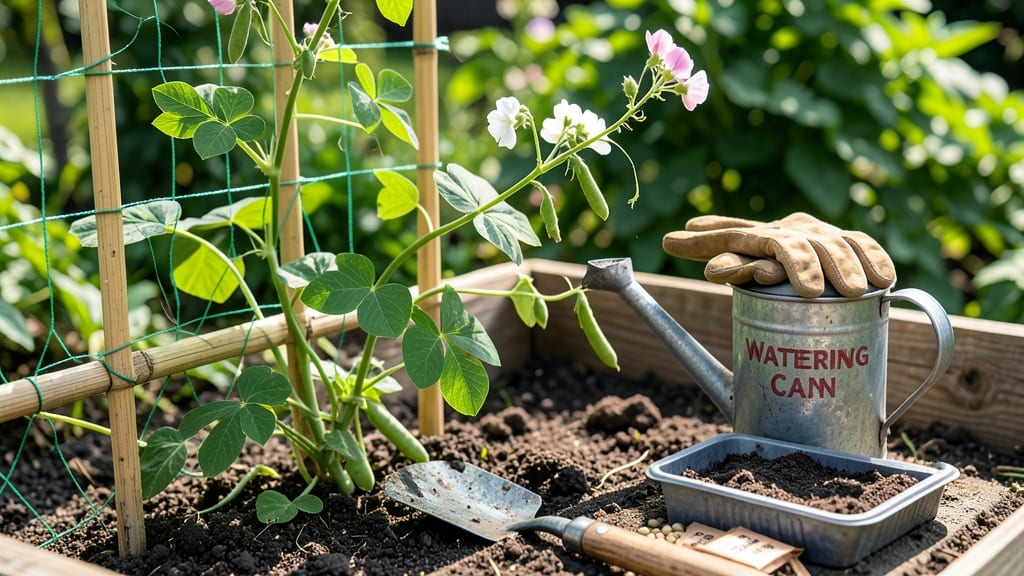
If you’ve ever stared at your Connecticut garden calendar wondering when to plant peas without guessing, you’re not alone. Peas 🌱 are finicky—they love cool weather but bolt faster than a summer heatwave if planted too late.
The difference between a bountiful harvest and wasted seeds often comes down to timing, and Connecticut’s 6a zone demands precision.
Here’s the truth: Plant too early, and frost will nip your seedlings before they sprout. Too late, and you’ll miss the sweet, tender pods that make fresh peas worth the wait.
The key lies in Connecticut’s last frost date (mid-April) and a second chance in late summer when temperatures dip again. I’ll break down the exact windows—plus soil prep secrets—to ensure your peas thrive from seed to harvest.
Why does this matter? Because peas aren’t just a garden staple; they’re a game-changer for early spring salads and fall harvests. With the right timing, you can enjoy fresh peas for two harvests a year—no greenhouses required.
Let’s dive into the cold-hardy schedule that works for Connecticut’s climate, so you can skip the trial-and-error and start planting with confidence.
From frost dates to succession planting, I’ll cover everything you need to know to turn your garden into a pea powerhouse. No more second-guessing—just a clear, actionable timeline tailored to your backyard. Ready to grow peas like a pro? Let’s get started.
Connecticut pea planting calendar: frost dates by Zone
Peas are one of the first cool-season crops I plant each year in Connecticut, but getting the timing right is critical for avoiding frost damage. Most of the state falls under USDA Zones 6a and 6b, where the average last frost date hovers around April 15.
However, microclimates in western Connecticut can push this back to April 22, while coastal areas may see frost as late as May 1.
For zero-frost success, I recommend planting peas as soon as the soil reaches 40°F—typically in early March under row covers or mid-to-late March without protection. This gives tender shoots a head start before hard frosts return in April.
If you miss this window, your second chance comes in late August to early September for a fall harvest.
Here’s how I break down the planting timeline for Connecticut’s zones:
| Stage | Action | Zone 6a (Western CT) | Zone 6b (Eastern CT) |
|---|---|---|---|
| Soil Prep | Test pH (6.0-7.0), amend with compost | Early March | Early March |
| First Planting | Sow seeds 1" deep, 2-3" apart | Mid-March (under cover) | Late March (outdoors) |
| Second Planting | Succession sow every 2 weeks | April 1-15 | April 1-22 |
| Fall Planting | Late August-September | August 20-Sept 5 | August 25-Sept 10 |
| Harvest Window | 60-70 days after sowing | May-June | May-June |
| Fall Harvest | September-October | Sept-Oct | Sept-Oct |
I always prioritize cold-hardy varieties like 'Green Arrow' or 'Sugar Snap' for early plantings, as they tolerate light frosts better than snow peas. For fall plantings, 'Wando' or 'Oregon Sugar Pod' handle cooler nights well.
Pro tip: Use row covers to extend the season by 2-3 weeks in both spring and fall.
One mistake I see often is planting peas too close to the last frost date. Even if the air warms up, soil temperatures lag behind. I test soil temps with a soil thermometer—peas won’t germinate well below 45°F.
If you’re unsure, err on the side of planting 2-3 weeks early under protection.
For urban gardeners with limited space, I recommend vertical trellises to maximize yield. Peas need 6+ hours of sunlight, but they’ll tolerate partial shade in late afternoon if the morning sun hits them directly.
Just avoid planting near walnut trees, as their roots release juglone, a toxin that stunts pea growth.
If you’re in Zone 6a (like Hartford or Waterbury), aim to finish your last spring planting by May 1 to avoid bolt risk from rising temperatures. In Zone 6b (New Haven or Stamford), you can push this to May 15.
For both zones, fall plantings must occur by August 20 to ensure harvest before the first hard frost.
Remember: Peas are self-pollinating, so you don’t need multiple plants for pollination. But for continuous harvests, I stagger plantings every 10-14 days from March through May. This ensures you’re always picking fresh pods instead of dealing with a one-time glut.
🌱 For extra insurance, I always keep a backup batch of seeds ready for late-May sowings if spring weather turns unpredictable. Peas are forgiving, but timing is everything—especially in Connecticut’s unpredictable spring.
How to extend pea season in Connecticut: succession planting tips
Peas are one of the few vegetables that reward Connecticut gardeners with two harvests in a single year—if you know the tricks. While the primary planting window is early spring, a late-summer batch can yield sweet pods well into fall.
The key? Succession planting, timing, and microclimate smarts to outsmart Connecticut’s late-spring heat and early-fall frosts.
Most gardeners stop at spring peas, but I’ve learned that with row covers and shade cloth, you can push your harvest into October. The secret lies in planting cold-hardy varieties like ‘Green Arrow’ or ‘Sugar Snap’ in late August, when soil temps drop but before the first frost.
These varieties tolerate light frosts and even produce sweeter pods after a chill.
Here’s how to maximize your pea harvest without overcrowding or disease risks:
- Late August: Sow cold-hardy varieties like ‘Green Arrow’ or ‘Sugar Snap’ for a fall harvest.
- Early September: Use row covers to protect seedlings from unexpected frosts.
- Mid-September: Thin seedlings to 2-3 inches apart to prevent overcrowding.
- October (if frost-free): Harvest pods before first frost (Oct 20) or use row covers to extend the season.
Don’t forget companion planting—pairing peas with carrots, radishes, or lettuce improves soil structure and deters pests. I’ve also had success using trellises to save space in small gardens, which keeps plants off the ground and reduces disease risk from soil-borne pathogens.
For urban gardeners with limited space, consider container growing. Deep pots (at least 12 inches deep) work well for dwarf varieties like ‘Little Marvel’. Just ensure pots have drainage holes and use a lightweight potting mix to prevent waterlogging, which peas hate.
One common mistake? Planting too late in summer and ending up with bolted peas before harvest. To avoid this, choose short-day varieties and monitor soil temps—peas grow best when soil is between 45°F and 75°F. If temps climb above 80°F, use shade cloth (30-50%) to keep plants cool.
With these strategies, you can enjoy fresh peas from May through October—no greenhouses or fancy equipment needed. Just a little planning and the right timing! 🌿