
Plants
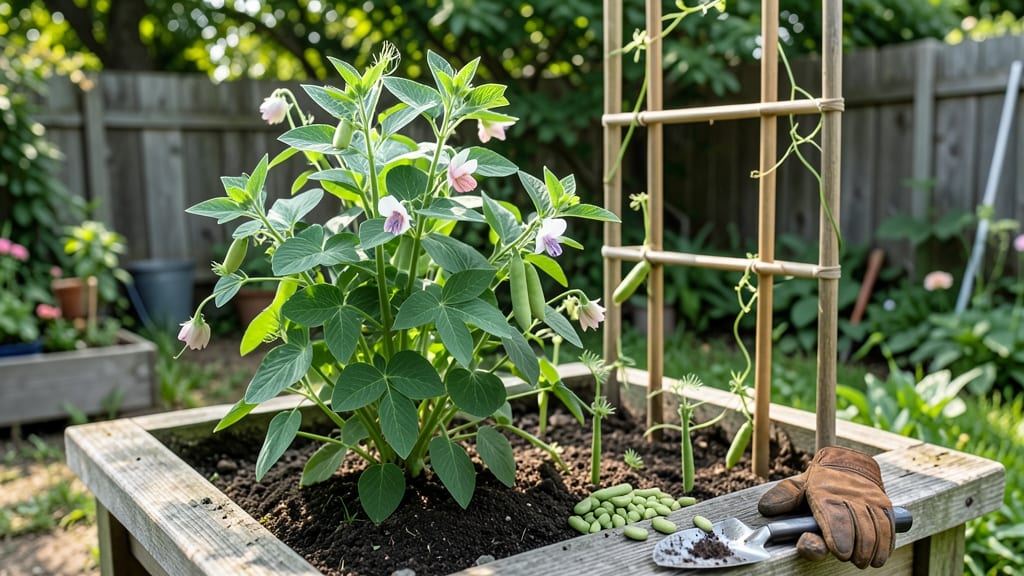
If you’ve ever planted peas in Maryland only to watch frost nip them before they even sprout, you’re not alone—and this is the year it changes.
The perfect window for planting peas in Maryland’s 7a-7b zones is narrower than you think, and missing it by even a few weeks can mean the difference between a bountiful harvest and wasted effort.
Peas thrive in cool weather, so timing is everything. Planting too early risks frost damage, while waiting too long means your crop will bolt in Maryland’s summer heat.
The key is knowing exactly when to start seeds indoors or directly in the soil to align with your region’s last frost date—typically around March 15.
In this guide, I’ll break down the exact months to plant peas for a zero-frost-risk harvest, including soil prep tips and the best varieties for Maryland’s climate. Whether you’re a first-time gardener or a seasoned grower, these insights will help you avoid common mistakes and maximize your yield.
Ready to grow peas that actually produce? Let’s dive into the best planting schedule for Maryland, so you can enjoy fresh, homegrown peas from your garden this spring.
Best planting months for peas in Maryland’s frost zones 5-7
Maryland’s frost dates are the biggest factor in timing your pea plantings. Most regions experience their last spring frost between March 15-25, while fall frosts arrive by November 15. This creates two perfect windows: early spring and late summer for a fall harvest.
For Zone 5-7 gardeners, the sweet spot is February through early April—but not too early! Pea seeds need 40-50°F soil temps to germinate. If you plant in January, use row covers to protect tender seedlings from late frosts.
Here’s the breakdown: February-March gives you the earliest harvests (May-June), while August-September plantings yield fall pods (October-November). Maryland’s USDA Zone 7 allows for slightly later spring starts than colder northern zones.
Pro Tip: If you miss the spring window, don’t despair—fall peas thrive in Maryland’s cooler autumn weather. Just plant 8-10 weeks before your first frost for a late-season bounty.
Maryland’s western regions (like Frederick County) often see earlier last frosts than the coast (Baltimore/Annapolis). Check local frost-free dates—some years, you can push spring plantings into early April without risk.
For continuous harvests, I recommend a two-pronged approach: plant half in February and the other half in August. This ensures peas for your table from May through November, with minimal gaps.
If you’re in Zone 5 (northern MD), err on the side of earlier plantings. In Zone 7 (southern MD), you can afford to wait until mid-March for spring peas without frost worries.
Remember: Peas hate heat. Planting in May or June will cause them to bolt prematurely. Save those spots for fall varieties like Sugar Snap or Oregon Sugar Pod, which handle Maryland’s summer better than traditional shelling peas.
For maximum success, pair your planting schedule with soil prep. Peas thrive in cool, well-drained soil with a pH of 6.0–7.0. Work in compost 2–3 weeks before planting to give roots a head start.
🌱
Pea variety planting guide: cool-season types vs. snow peas
Maryland’s variable climate means not all peas thrive equally. Shelling peas, snap peas, and snow peas each have unique planting windows to avoid bolting or frost damage. I’ll break down the best variety-specific timing and Maryland-friendly maturity schedules so you can plan for continuous harvests.
Start with shelling peas (like ‘Green Arrow’ or ‘Wando’)—they’re the most frost-tolerant and can handle Maryland’s early spring chill. Plant these 2–4 weeks before your last frost (typically by February 15 in most zones). Their 60–70-day maturity aligns perfectly with Maryland’s May harvest window.
Snap peas (e.g., ‘Sugar Snap’) need slightly warmer soil but still prefer cool weather. Aim to plant them 2–3 weeks after shelling peas—around late February to early March. Their 55–65-day maturity means they’ll be ready by late April to early May, avoiding summer’s heat stress.
Snow peas (like ‘Oregon Sugar Pod’) are the most heat-sensitive and should be planted last, around mid-March to early April. Their 60–70-day maturity pushes harvests to late May to June, just before summer’s peak. For fall plantings, stick to shelling peas—they tolerate Maryland’s cooler September–October temps best.
| Variety | Maryland Planting Window | Maturity (Days) | Harvest Window | Notes |
|---|---|---|---|---|
| Shelling Peas | Feb 15–Mar 15 | 60–70 | May–June | Most frost-tolerant |
| Snap Peas | Feb 28–Apr 15 | 55–65 | Late Apr–June | Avoid summer heat |
| Snow Peas | Mar 15–Apr 15 | 60–70 | Late May–June | Heat-sensitive |
For fall plantings, stick to shelling peas again—sow them August 1–15 for a late October–November harvest. Maryland’s cooler fall mimics spring conditions, giving you a second chance at sweet peas without summer’s heat stress. Just avoid planting after September 15, or you risk frost before maturity.
Pro tip: Mix varieties in your garden! Staggered plantings (e.g., shelling peas in February + snap peas in March) ensure a continuous harvest from May through June. Just label your rows—‘Green Arrow’ and ‘Sugar Snap’ look alike when young! 🌱