
Plants
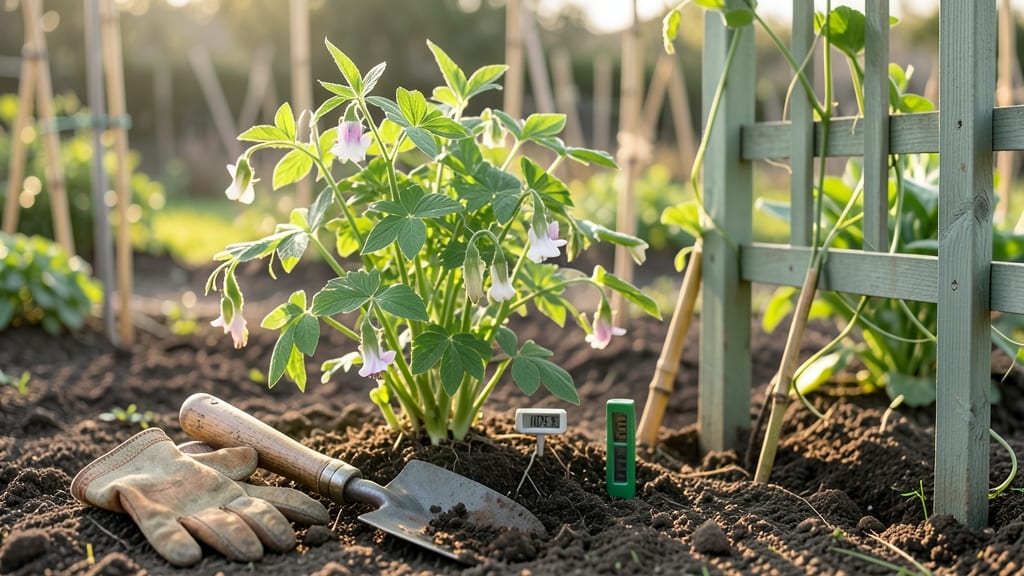
Timing your pea planting in Kentucky just right can mean the difference between a garden full of sweet, tender pods and a sad harvest of tough, stringy 🌱 peas.
With Kentucky’s 6a climate, you’ve got two prime windows—early spring and late summer—but getting it wrong can leave you scrambling when frost hits.
Most gardeners in Kentucky swear by planting peas in February or March for that early spring harvest, but late summer plantings in August or September can stretch your harvest into fall. The key? Understanding your last frost date and soil temperatures—because peas hate heat and need cool conditions to thrive.
In this guide, I’ll break down the exact planting windows for Kentucky’s two main pea seasons, including when to start seeds indoors and how to adjust for early vs. late varieties. You’ll also learn how to prep your soil and avoid common mistakes that ruin harvests.
Ready to grow peas that taste like summer, even in Kentucky’s unpredictable climate? Let’s get started.
Kentucky pea planting calendar: frost dates by region and variety
Kentucky’s USDA zones 6-7 create a delicate balance for pea planting—too early and frost zaps tender shoots, too late and summer heat bolts your crop. The key is planting when soil temps hit 40°F but before the last average frost date, which varies by region.
Northern Kentucky (like Lexington) typically sees last frosts around March 20-25, while southern areas (like Bowling Green) can plant 2-3 weeks earlier.
Peas thrive in cool-season windows, making February-March and August-September the sweet spots. Early varieties like 'Early Sugar Snap' (55 days) can handle light frosts, while late-season picks like 'Kelvedon Wonder' (65 days) need warmer soil.
Kentucky’s humidity also plays a role—dwarf varieties like 'Tom Thumb' avoid wind damage better than tall climbers.
Here’s your region-specific planting timeline based on Kentucky’s microclimates:
| Region | Last Frost Date | Best Planting Window | Recommended Varieties |
|---|---|---|---|
| Northern KY (Lexington, Louisville) | March 20-25 | Feb 15 - Mar 10 | 'Early Sugar Snap', 'Green Arrow' |
| Central KY (Frankfort, Bowling Green) | March 10-15 | Feb 1 - Mar 5 | 'Tom Thumb', 'Oregon Sugar Pod' |
| Western KY (Paducah, Hopkinsville) | March 5-10 | Jan 25 - Feb 20 | 'Kelvedon Wonder', 'Douce Provence' |
| Fall Planting (All Regions) | Nov 15 (First Frost) | Aug 15 - Sep 10 | 'Lincoln', 'Alaska' |
For fall planting, aim to harvest before November 15—most varieties mature in 60-75 days. Use row covers if temps dip below 30°F to protect young plants. Southern Kentucky’s warmer microclimates (like the Pennyrile region) can extend fall planting until September 20 for a late harvest.
Pro tip: Test your soil temperature with a soil thermometer—peas germinate best between 40°F-70°F. If your garden soil runs cold, plant in black plastic mulch or raised beds to warm it faster. Kentucky’s clay-heavy soils also benefit from compost amendments to improve drainage.
Choose dwarf varieties for containers or small spaces—they mature faster and avoid Kentucky’s windy spring storms. Tall varieties like 'Telephone' need trellises and thrive in protected microclimates, such as near fences or buildings. Always plant peas 1-2 inches deep for optimal germination.
Monitor your local Kentucky Mesonet forecasts for frost advisories—even a light freeze can damage young pea shoots. If frost threatens, cover seedlings with frost cloth or old blankets.
Remember, peas are self-pollinating, so spacing isn’t as critical as it is for cucurbits, but 2-3 inches apart prevents disease spread.
For succession planting, sow new seeds every 2 weeks in spring or 3 weeks in fall to stagger harvests. This works especially well for sugar snap peas, which have a shorter harvest window than shelling peas. Pair peas with radishes or lettuce to maximize space in early spring.
🌱
How to extend your pea harvest season in Kentucky’s short growing window
Kentucky’s short growing season and unpredictable weather can limit your pea harvest—but with the right strategies, you can enjoy fresh pods from early spring through late fall. The key is leveraging succession planting, cold-hardy varieties, and smart soil preparation to maximize your yield.
I’ve grown peas in Kentucky’s humid climate for years, and these techniques have helped me extend my harvest by 6-8 weeks beyond the typical window.
Start by choosing early-maturing varieties like 'Green Arrow' or 'Little Marvel' for spring plantings, which can be ready in just 55-60 days. These varieties thrive in Kentucky’s cool soil temperatures and can handle light frosts.
For fall harvests, opt for late-season types like 'Oregon Sugar Pod' or 'Tom Thumb,' which mature in 60-70 days and tolerate cooler temperatures better than most varieties.
🌱 3 Proven Strategies to Extend Your Pea Harvest
- Succession Planting: Sow peas every 2-3 weeks from early March through mid-April for a staggered harvest. This ensures you always have fresh pods while avoiding bolting from heat stress.
- Fall Planting: Take advantage of Kentucky’s mild fall by planting in late August or early September. Use row covers to protect young plants from early frosts, extending your harvest into October or November.
- Cold-Hardy Varieties: Choose USDA Zone 6-7 tolerant peas like 'Lincoln' or 'Kelvedon Wonder,' which can survive light frosts and even 20°F temperatures once established.
Preparing your soil is just as critical as timing. Kentucky’s clay-heavy soils can compact easily, stunting pea growth. Before planting, amend your soil with 2-3 inches of compost and mix in a balanced fertilizer (5-10-10) to provide essential nutrients without overfeeding.
Peas are nitrogen-fixers, so avoid heavy nitrogen applications, which can lead to excessive foliage at the expense of pod production.
To protect your peas from Kentucky’s unpredictable spring rains and late frosts, use row covers or cold frames for the first 2-3 weeks after planting. These simple tools can raise soil temperatures by 5-10°F, accelerating germination and giving your plants a head start.
I’ve seen germination rates improve by 30% when using row covers in chilly Kentucky springs.
Don’t overlook the power of companion planting to extend your harvest. Pair peas with radishes, lettuce, or carrots, which thrive in the same cool conditions. This not only maximizes space but also deters pests like pea aphids and cutworms, which are common in Kentucky gardens.
A healthy ecosystem in your garden means fewer setbacks and a longer harvest window.
Finally, keep an eye on your peas’ maturity signs to avoid missing the harvest window. Look for pods that are 1-2 inches long with visible but not overly large seeds. In Kentucky’s humid climate, peas can quickly become tough or shriveled, so harvest every 2-3 days once pods start forming.
With these strategies, you’ll enjoy fresh peas for nearly half the year—far longer than the typical 4-6 week window.