
Plants
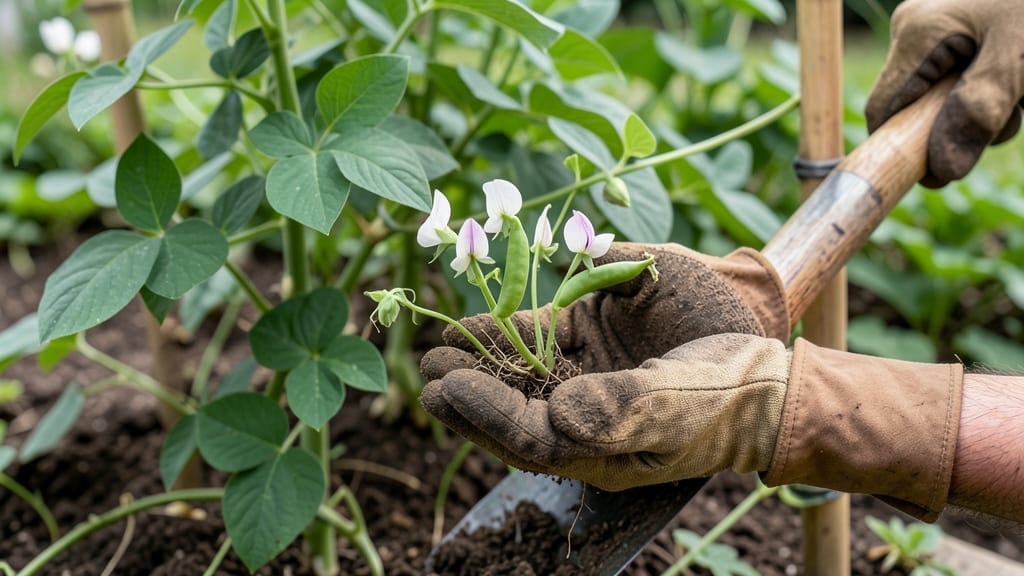
Timing your pea planting in Portland, Oregon can feel like a high-stakes game—get it wrong, and you might end up with wilted seeds or missed harvests.
But with Portland’s USDA Zone 8a climate, there’s a sweet spot for success: early spring and late summer, when the weather cooperates just enough to give your 🌱 peas the best shot at thriving.
Why does timing matter so much? Because peas are cold-hardy but hate summer heat, and Portland’s rainy season can turn your garden into a soggy mess if you’re not careful.
The key is planting 4-6 weeks before the last frost date (around March 15) or in late summer for a fall harvest—giving them enough time to mature before the weather shifts.
In this guide, you’ll learn the exact windows to plant for zero-frost success, how to prep your soil for Portland’s damp conditions, and which varieties hold up best in the city’s microclimates.
Whether you’re a first-time gardener or a seasoned green thumb, these tips will help you avoid common pitfalls and enjoy a bountiful harvest.
Ready to outsmart Portland’s weather? Let’s dive into the best strategies for planting peas that will thrive from spring to fall.
Pea planting calendar for Portland Oregon: frost dates and ideal windows
Portland’s USDA Zone 8a/8b climate means cool, wet springs and mild falls—perfect for peas, which thrive in 50-70°F temperatures. The key to success? Planting 4-6 weeks before your last average frost date (March 15) or in late summer for a fall harvest.
Miss these windows, and you’ll risk bolting (premature flowering) from summer heat or frost damage in late fall.
Peas are cold-hardy and can even survive light frosts, but they hate summer heat (above 80°F). That’s why Portland gardeners get two prime planting windows: early spring (February–March) and late summer (August–September).
The fall crop matures just before winter sets in, while the spring crop avoids summer’s heat stress.
Pro Tip: Check Portland’s microclimates—urban areas (like Downtown) may frost 2-3 days later than rural spots (like Hillsboro). Use local frost data from Almanac’s Portland Frost Calculator to fine-tune your timing.
🌱 Portland Pea Planting Timeline
| Planting Window | Action | Notes |
|---|---|---|
| Early Spring | Direct-sow February 1–March 15 | Soil temps: 40–50°F. Use cloches for extra warmth. |
| Late Summer | Direct-sow August 15–September 15 | Harvest before first frost (Oct 15). Choose dwarf varieties for shorter seasons. |
| Indoor Start | Start seeds January 15–February 1 | Transplant 4–6 weeks later when soil is workable. Ideal for late starts or urban gardens. |
| Backup Window | Direct-sow April 1–15 | Risky—peas may bolt in summer heat. Use shade cloth if planting late. |
🌡️ Portland’s Avg. Last Frost: March 15 | First Frost: October 15
For spring planting, aim to harvest by late June before temperatures rise. If you’re direct-sowing in February, use row covers to protect tender seedlings from chilly nights.
In late summer, prioritize fast-maturing varieties like ‘Sugar Snap’ (60 days) or ‘Oregon Sugar Pod’ (55 days), bred for Pacific Northwest climates.
Portland’s rainy season (Nov–Mar) can delay planting, but peas don’t need dry soil to germinate. In fact, consistent moisture helps them establish roots quickly. The trick? Well-draining soil—peas rot in soggy ground. Amend clay soil with compost or sand before planting.
If you miss the spring window, don’t panic. Fall planting (August–September) gives you a second harvest before winter. Just choose compact varieties (like ‘Tom Thumb’) to beat frost. For urban gardeners, container growing works well—just ensure pots have drainage holes and use lightweight potting mix.
🌱 Key Takeaway: Portland’s two planting windows (spring and fall) align with the city’s cool, wet climate. Spring peas avoid summer heat, while fall peas mature before frost. Adjust for microclimates—urban areas stay warmer longer, giving you 5–7 extra days of planting time.
For extended harvests, try succession planting: sow every 2 weeks in spring or every 3 weeks in fall. This ensures a steady supply of fresh peas without overwhelming your garden at once. Pair peas with radishes or lettuce—they share space well and mature at different rates.
💡 Local Resource: Check Portland’s Master Gardener Program for free soil tests and pea variety recommendations tailored to your neighborhood. Their workshops often cover seasonal planting tips specific to Portland
How to time pea planting for Portland’s rainy season: soil and seed tips
Portland’s wet springs and cool summers create the perfect conditions for peas—but they also demand smart planning. The key is balancing moisture-loving roots with wind resistance and frost protection. Unlike heat-loving veggies, peas thrive in 40-70°F soil, making early planting ideal before the ground warms too much.
Start by testing your soil’s drainage and pH. Peas prefer slightly acidic soil (6.0-7.0 pH) and well-draining beds to avoid root rot from Portland’s frequent rains. Mix in compost or aged manure 2-3 weeks before planting to enrich the soil without overwhelming young seedlings.
For direct sowing (best for Portland’s climate), plant seeds 1 inch deep and 2-3 inches apart in rows spaced 12-18 inches apart. This spacing helps prevent wind damage and allows vines to climb trellises or stakes.
Use burlap sacks or wire mesh as temporary windbreaks if your garden is exposed.
🌱 Indoor Starts vs. Direct Sowing
Indoor Starts
- Pros: Early harvests, better control over conditions
- Cons: Risk of leggy seedlings, transplant shock
- When: Start 6-8 weeks before last frost (early Feb)
Direct Sowing
- Pros: Hardier plants, avoids transplant stress
- Cons: Slower germination in cold soil
- When: February-March or August-September for fall crops
Choose cold-hardy varieties like Sugar Snap or Oregon Sugar Pod (a local favorite) for Portland’s climate. These varieties tolerate light frosts and produce sweeter peas in cooler weather. Avoid heat-sensitive types like Wando, which struggle in Portland’s summer heat (above 80°F).
After planting, mulch heavily with straw or shredded leaves to retain moisture and suppress weeds. Peas need consistent soil moisture but hate soggy roots, so aim for 1-1.5 inches of water per week, delivered in the morning to prevent fungal diseases like powdery mildew.
A drip irrigation system works best to avoid wetting foliage.
Finally, consider succession planting every 2-3 weeks from February to April for a continuous harvest. This extends your pea season and maximizes yield before summer heat sets in. With these tips, you’ll outsmart Portland’s rainy season and enjoy fresh peas straight from your garden.