
Companion Plants
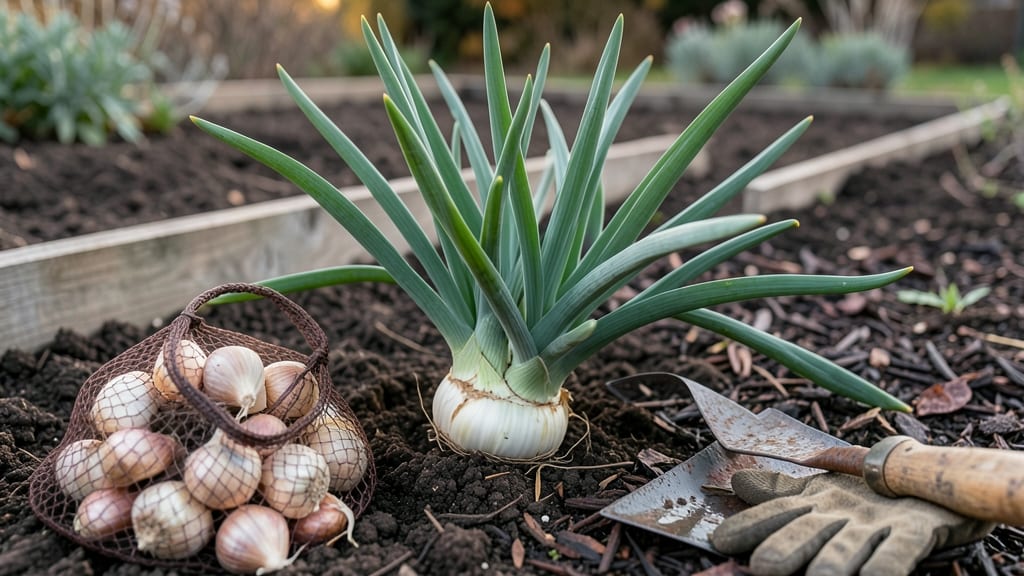
If you’ve ever wondered when to plant garlic in Melbourne, timing is everything—especially in a city where mild winters can fool you into planting too late. 🧄 Melbourne’s USDA Zone 10 climate means garlic thrives when planted in autumn, but getting the exact window right avoids wasted effort or stunted bulbs.
The key is planting between March and May, when soil temperatures drop but frost isn’t yet a threat. This gives your garlic time to establish roots before winter’s chill sets in.
Unlike colder regions, Melbourne’s rare cold snaps mean you don’t need to rush—but planting too late can leave your crop struggling by harvest season.
I’ll walk you through the exact steps to nail your planting schedule, from checking soil readiness to adjusting for Melbourne’s microclimates. Whether you’re a first-timer or a seasoned gardener, these tips will help you grow bold, flavorful garlic that’s ready to harvest in late spring.
Ready to turn your garden into a garlic powerhouse? Let’s dive into the perfect planting strategy for Melbourne’s unique growing conditions—and why autumn is your best bet for success.
Melbourne’s ideal garlic planting window: frost-free timing explained
Melbourne’s temperate maritime climate makes garlic planting a delicate balance—too early, and your cloves rot in winter rains; too late, and you miss the 6-week pre-frost window critical for bulb development.
Unlike northern climates, Melbourne rarely sees hard frost, but cold snaps in June-July can still damage young plants if planted too late.
The ideal planting window spans March through May, aligning with Melbourne’s autumn soil cooling and winter dormancy period. This timing ensures garlic establishes roots before winter’s chill sets in, while still having 120+ days of growth before harvest in late spring.
For hardneck varieties (like ‘German White’), aim for early autumn (March-April) to maximize cold exposure, which enhances flavor. Softneck varieties (like ‘Silverskin’) are more flexible and can tolerate late autumn (May) planting, though yields may be smaller.
Here’s the key rule: Plant garlic 6 weeks before your area’s first frost. In Melbourne, this typically means early May for most regions, but coastal areas (e.g., Mornington Peninsula) can push to mid-May due to milder winters.
Inland areas like Bendigo should plant by late April to avoid frost.
Soil temperature is your best guide. Garlic cloves need soil at 10–15°C (50–59°F) to sprout. In Melbourne, this usually occurs in late March, but test with a soil thermometer—if it’s below 10°C, wait a week or two.
Melbourne’s microclimates complicate timing. Coastal regions (e.g., Phillip Island) can plant 2 weeks later than inland areas due to warmer winters. Meanwhile, elevated areas (e.g., Dandenongs) may need earlier planting to escape frost.
Pro Tip: Use mulch (straw or lucerne) after planting to insulate bulbs from unpredictable cold snaps. A 4-inch layer can raise soil temps by 3–5°C, extending your planting window by 1–2 weeks.
For maximum bulb size, aim to harvest in October–November. This means planting in March–April gives you the ideal 240–300-day growth cycle. Late plantings (June+) may still produce smaller bulbs but can be saved for green garlic harvest in spring.
Now, let’s break down the exact timing for Melbourne’s 5 key zones, including soil prep and frost-proofing steps.
| Zone | Ideal Planting Month | Soil Temp Threshold | Frost Risk | Key Tip | |||||||||||||||||||
|---|---|---|---|---|---|---|---|---|---|---|---|---|---|---|---|---|---|---|---|---|---|---|---|
| Coastal (e.g., Mornington Peninsula) | April–May | 10–15°C (50–59°F) | Low (rare frost) | Use softneck varieties for milder winters. | |||||||||||||||||||
| Inland (e.g., Bendigo) | March–April | 12–15°C (54–59°F) | Moderate (occasional frost) | Mulch heavily (6+ inches) to insulate. | |||||||||||||||||||
| Elevated (e.g., Dandenongs) | Late March–April | 10–13°C (50–55°F) | High (early frost risk) | Plant hardneck varieties for cold tolerance. | |||||||||||||||||||
| Urban (e.g., Melbourne CBD) | April | 11–14°C (52–57°F) |
Melbourne’s ideal garlic planting window: frost-free timing explainedMelbourne’s temperate maritime climate creates a unique challenge for garlic growers—cool winters without harsh frosts mean you can plant earlier than most regions. Unlike northern climates, your 6-week pre-frost rule is more about avoiding cold snaps than true frost. Aim to plant hardneck varieties (like ‘German White’) in March-April for a late spring harvest, while softneck types (like ‘Silverskin’) can handle slightly later plantings in May. Soil temperature is your best guide—wait until the ground cools to 10-15°C (50-59°F). Test with a soil thermometer or press your finger into the soil: if it feels cool but not frozen, it’s time. Coastal areas like Frankston can plant 2-3 weeks earlier than inland zones like Bendigo, thanks to milder winters. Here’s how Melbourne’s microclimates affect your timing:
For hardneck varieties, prioritize March-April planting—they need cold vernalization (4-6 weeks below 10°C/50°F) to form bulbs. Softnecks, like ‘Artichoke’, are more flexible and can handle May plantings but may yield smaller bulbs. Always avoid planting after June, as bulbs won’t mature before summer heat. Pro tip: Use clove size to your advantage—plant larger cloves (3+ cm) in March for early harvests, and smaller cloves in May for late-season storage garlic. Smaller cloves produce more scapes (those curly stems), which you can snip and eat! Watch for unpredictable cold snaps in July-August. If temperatures drop below -2°C/28°F, protect young plants with frost cloth or a thick mulch layer. Coastal areas rarely see frost, but inland gardens need extra care—never skip mulching in these zones. |