
Plants
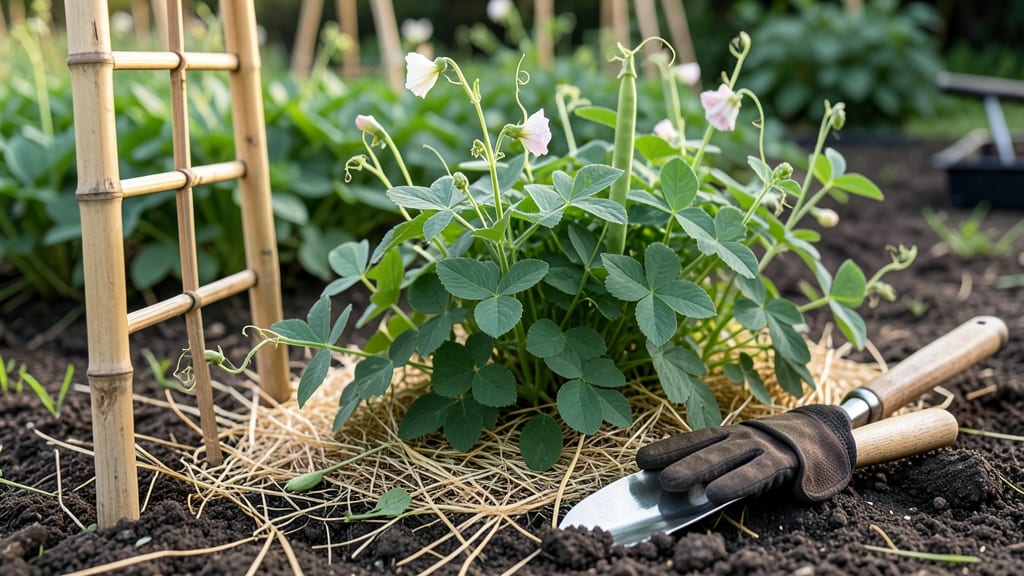
If you’ve ever planted peas in Zone 7a only to watch them bolt into bitter pods before you could harvest, you’re not alone. The key to sweet, productive peas lies in timing—and getting it wrong can mean wasted effort.
Unlike heat-loving crops, peas thrive in cool soil, but Zone 7a’s unpredictable spring warmth turns this simple crop into a gamble.
Here’s the secret: Plant your 🌱 peas when soil temps hover between 40-50°F, not air temps. That means early spring (February–March) or late summer (August–early September) for fall harvests. Miss this window, and you’ll end up with tough, stringy pods—or worse, no harvest at all.
What makes this even trickier? Zone 7a’s last frost typically lands around March 15, but soil warms faster than the calendar suggests.
I’ll show you exactly how to read your soil’s temperature cues, choose the right varieties for your climate, and use simple tricks to delay bolting—so you can enjoy fresh peas from late spring through early fall.
Ready to turn your pea patch from a guessing game into a reliable harvest? Let’s dive into the soil temp hacks that’ll keep your peas sweet and your garden productive—no matter what Zone 7a throws your way.

Pea planting calendar for Zone 7a: exact dates by variety
In Zone 7a, where average last frost dates hover around March 15, timing your pea planting is critical. The ideal soil temperature for germination is 40-50°F, but once it climbs above 75°F, peas bolt—meaning they flower and pod too quickly, ruining sweetness.
Here’s how to nail your planting windows for spring and fall harvests.
For spring peas, start seeds indoors 6-8 weeks before last frost (around January 20) or sow directly 4-6 weeks before (early February). Fall plantings should go in August to early September, giving plants 8-10 weeks to mature before first frost (November 15).
🌱 Pro Tip: Use a soil thermometer to confirm temps—peas won’t sprout below 40°F, even if the air feels warm.
| Planting Window | Variety Type | Days to Maturity | Key Notes |
|---|---|---|---|
| Early February – Mid-March | Shelling Peas (e.g., 'Wando') | 60-70 days | Best for spring harvest; tolerate light frost. |
| Late February – Early April | Snap Peas (e.g., 'Sugar Snap') | 55-65 days | Harvest pods before seeds swell; heat-sensitive. |
| August – Early September | Snow Peas (e.g., 'Oregon Sugar Pod') | 50-60 days | Flat pods; harvest young for tenderness. |
| Late September (risky) | All Varieties | N/A | Only attempt with row covers; frost kills vines. |
Zone 7a’s unpredictable spring weather can throw off your timing. If soil temps rise above 55°F before peas mature, they’ll bolt—producing bitter, stringy pods. To mitigate this, opt for early-maturing varieties like 'Little Marvel' (55 days) or 'Green Arrow' (60 days) for spring.
For fall plantings, focus on heat-tolerant varieties like 'Carouby de Maussane' (75 days), which can handle brief heatwaves. Plant in late August and use shade cloth (30-50%) if daytime temps exceed 80°F. Monitor for powdery mildew, common in humid Zone 7a falls.
Succession planting works well for peas. Sow new seeds every 2 weeks in spring (through April) to stagger harvests. In fall, a single planting in August is usually sufficient—just choose fast varieties to beat frost.
🌿 Remember: Peas are self-pollinating, so you don’t need multiple plants for pollination. Focus instead on soil prep: amend with compost and a low-nitrogen fertilizer (5-10-10) to prevent leggy growth.
Soil temperature tricks to prevent pea bolting in Zone 7a heat
Zone 7a’s warm springs and summers can turn your eager pea plants into bitter, bolted messes if you’re not careful. Peas thrive in cool soil (40-50°F), but temperatures climbing above 75°F trigger bolting—when plants rush to flower and produce tough, stringy pods.
Here’s how I keep my peas happy and productive despite the heat.
First, test your soil temperature before planting. Use a soil thermometer to check depths of 2-3 inches—ideal temps for peas are 50-75°F. If your soil is warmer than this, delay planting until cooler weather arrives in late spring or opt for a fall planting instead.
This simple step saves me from wasted effort every year.
🌱
⚠️ Heatwave Warning
Peas bolt in 3-5 days if soil temps exceed 75°F. Once bolting starts, pods become fibrous and lose sweetness. Monitor forecasts and adjust your planting timeline accordingly.
To buy yourself more time, use shade cloth (30-50%) over young plants during peak afternoon heat. I stretch lightweight shade fabric over hoops or trellises to reduce soil temps by 5-10°F.
Remove it after 2-3 weeks once plants establish deeper roots and can handle more sun. This trick extends my growing season by 2-3 weeks in hot springs.
Another game-changer? Mulching with straw or grass clippings. A 2-3 inch layer keeps soil cooler and retains moisture. I apply mulch right after planting and replenish it every 3-4 weeks.
For extra protection, I top it with black plastic mulch in late summer for fall plantings—this warms the soil just enough to jumpstart germination while still keeping it cool enough to prevent bolting.
Watering smartly also makes a difference. Peas need consistent moisture, but soggy soil can cause rot. I water deeply in the morning (1-1.5 inches per week) and avoid wetting foliage to prevent fungal diseases.
For extra heat protection, I use drip irrigation to keep roots cool without stressing the plants.
Finally, companion planting with taller, heat-tolerant crops like corn or sunflowers can provide shade for your peas. I plant corn in rows around my pea trellises—it blocks intense afternoon sun while still allowing morning light.
This natural shade keeps soil temps down and gives my peas a fighting chance in Zone 7a’s unpredictable climate.