
Size
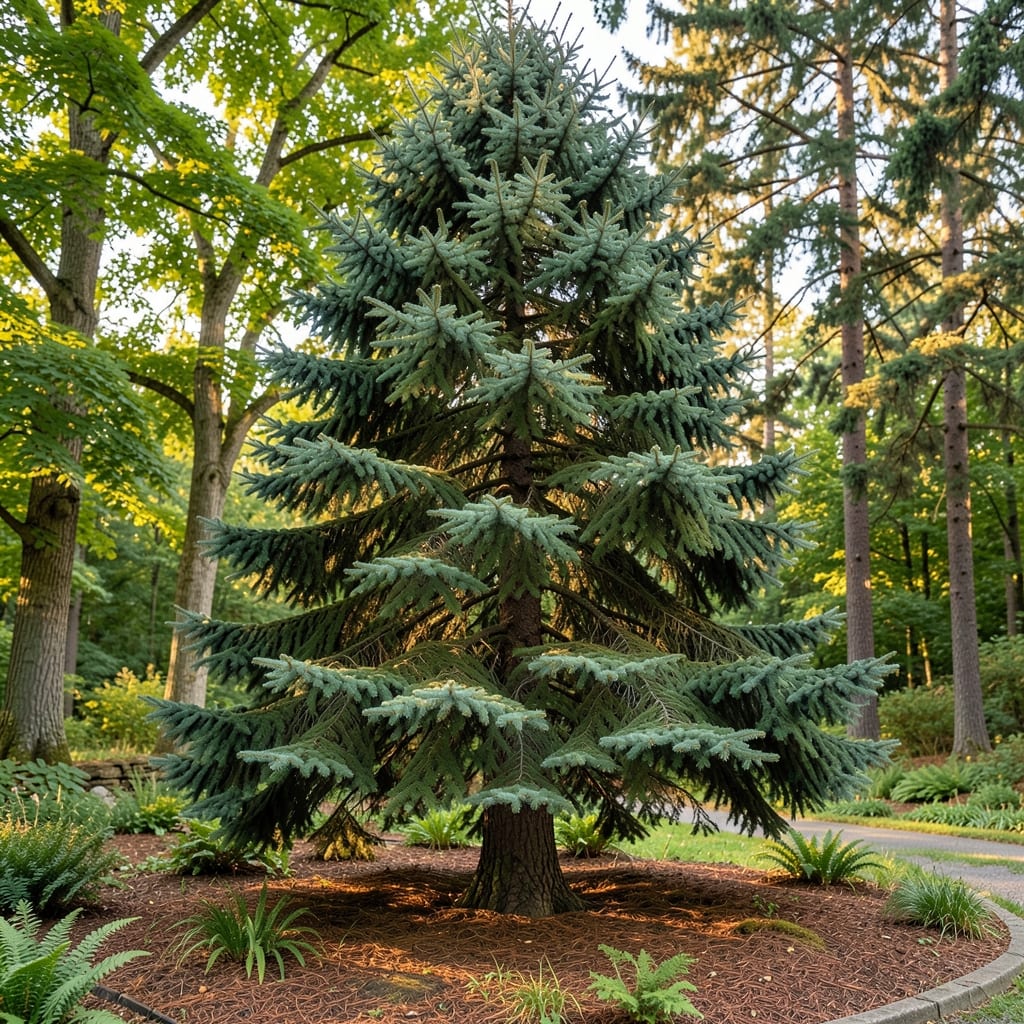
If you’ve ever wondered how tall arborvitae grow and whether they’ll dwarf your backyard or tower over your roof, the answer depends entirely on the variety you choose. These evergreen trees can range from dwarf cultivars under 3 feet to towering giants reaching 60 feet or more, making them one of the most versatile options for landscaping.
For homeowners in Zone 6a, picking the right type is key—some arborvitae varieties thrive in tight spaces, while others need room to stretch their branches. Whether you’re dreaming of a privacy hedge or a statement tree, understanding their growth potential helps you plan your garden without surprises.
In this guide, we’ll break down the exact heights of popular arborvitae types, from the compact Emerald Green to the sky-reaching Green Giant. You’ll also learn how sunlight, soil, and pruning habits can shape their growth—so you can grow the perfect 🌲 arborvitae for your space.
Ready to stop guessing and start planting with confidence? Let’s dive into the numbers and tips that’ll help you choose—and manage—the ideal arborvitae for your yard.

Arborvitae height by variety: compact to towering options
Arborvitae trees are famous for their versatility—some stay as short as 3 feet while others tower over 60 feet. The key to choosing the right variety lies in understanding their mature heights and growth habits. Whether you need a privacy hedge or a statement tree, there’s an arborvitae cultivar that fits your space. Let’s break down the most popular varieties by size, so you can plan your landscape with precision.
Dwarf arborvitae are perfect for small gardens or container growing. Varieties like ‘Teddy Bear’ and ‘Emerald Green Compact’ max out at 3–5 feet, making them ideal for foundation plantings or window boxes. These compact varieties grow only 6–12 inches per year, so they’re low-maintenance and won’t overwhelm your yard. If you’re working with limited space, these are the go-to choices.
Semi-dwarf arborvitae strike a balance, reaching 8–15 feet at maturity. The ‘American Plumosa’ and ‘Smaragd’ varieties are excellent for narrow spaces or as accent plants. They grow 12–18 inches per year, so they’ll fill out your landscape without dominating it. These are great for hedges or windbreaks where you want height without the commitment of a full-sized tree.
Now, let’s talk about the giants. Standard arborvitae like ‘Green Giant’ and ‘Thuja occidentalis’ can reach 40–60 feet, making them perfect for privacy screens or woodland gardens. These varieties grow 18–24 inches per year, so they’ll establish quickly. If you’re planting near property lines, these provide unmatched privacy—but be prepared for their wide canopies (12–20 feet).
🌲 Arborvitae Height Comparison Table
| Variety | Mature Height | Growth Rate | Best For |
|---|---|---|---|
| Teddy Bear | 3–5 ft | 6–12 in/year | Containers, small gardens |
| Emerald Green Compact | 4–6 ft | 8–12 in/year | Foundation plantings |
| American Plumosa | 8–12 ft | 12–18 in/year | Hedges, narrow spaces |
| Smaragd | 10–15 ft | 15–20 in/year | Privacy screens |
| Green Giant | 40–50 ft | 18–24 in/year | Privacy, windbreaks |
| Thuja occidentalis | 30–60 ft | 20–24 in/year | Woodland gardens |
When planning your arborvitae placement, always consider mature height and spread. A Green Giant planted too close to a house will eventually block windows and require aggressive pruning—or worse, root damage to foundations. For most varieties, maintain a 3–6 foot spacing between plants to allow airflow and prevent disease. If you’re unsure, err on the side of more space; arborvitae can live for decades.
Another critical factor is growth rate. Fast-growing varieties like ‘Green Giant’ will fill out quickly, while slower growers like ‘Teddy Bear’ take patience. If you’re looking for instant privacy, opt for a faster-growing cultivar. However, faster growth often means more water and fertilizer needs, so factor in maintenance time. For low-maintenance landscapes, semi-dwarf varieties strike the perfect balance between speed and ease.
Don’t overlook soil and sunlight when predicting height. Arborvitae thrive in well-draining, slightly acidic soil (pH 6.0–7.0) with 6+ hours of sunlight. Poor soil or shade can stunt growth by 30–50%, so test your soil before planting. If your yard has clay-heavy or alkaline soil, amend it with compost or peat moss to encourage healthy growth and maximize height potential.
Pro tip: If you’re unsure which variety to choose, start with ‘Emerald Green’
How growth zones affect arborvitae height and hardiness
Your arborvitae’s height potential isn’t just about the variety—it’s also heavily influenced by your USDA hardiness zone. While some cultivars like ‘Green Giant’ thrive in Zones 3–7, others may struggle in warmer climates like Zone 8+, where heat stress can stunt growth by 20–40%. Understanding these zone-specific factors ensures you choose the right arborvitae for your climate and avoid disappointment down the road.
In colder zones (3–5), arborvitae like ‘Thuja occidentalis’ grow 20–24 inches per year thanks to ideal conditions. However, in Zone 6a, where winters are milder, the same variety might grow 12–18 inches per year due to reduced cold stress. This zone variation explains why a ‘Green Giant’ in Minnesota hits 50 feet, while one in Georgia might max out at 30 feet.
Heat and humidity play a surprising role too. In Zones 7–9, arborvitae often face spider mite infestations or browning foliage—both of which slow growth. To combat this, plant heat-tolerant varieties like ‘Emerald Green’ or provide afternoon shade. In Zone 10+, where winters are nearly nonexistent, arborvitae may require year-round moisture to prevent drought stress, further limiting their height potential.
🌱 Arborvitae Height by USDA Zone
| Zone | Best Varieties | Mature Height (ft) | Growth Rate (in/year) | Key Considerations |
|---|---|---|---|---|
| 3–5 | Thuja occidentalis, Green Giant | 40–60 | 20–24 | Cold-hardy, fast growth |
| 6a–7 | Emerald Green, American Plumosa | 10–40 | 12–18 | Moderate care, watch for pests |
| 8–9 | Teddy Bear, Smaragd | 3–15 | 6–12 | Heat-sensitive, needs shade |
| 10+ | Dwarf varieties only | 3–8 | 3–8 | Year-round watering needed |
If you’re in a transition zone (e.g., Zone 6b–7a), microclimates matter. A north-facing slope may support taller growth than a south-facing yard. To maximize height, plant on sloped or elevated ground where cold air drains away. In urban areas, pollution and compacted soil can also reduce growth—so amend soil with organic matter and mulch heavily to improve root health.
Pro tip: Check your local extension service for zone-specific recommendations. They often test soil and provide arborvitae varieties proven to thrive in your area. For example, in Zone 7b, ‘Smaragd’ outperforms ‘Green Giant’ in both height and disease resistance. Always match your variety to your zone to avoid stunted growth or costly replacements.
Finally, remember that spacing adjustments are key. In warmer zones, plant arborvitae 6–8 feet apart to prevent overcrowding, while in colder zones, 3–5 feet spacing works better. Proper spacing ensures airflow, reducing fungal diseases that can further limit height. With the right zone match and care, your arborvitae will reach its full potential—no surprises included.