
Size
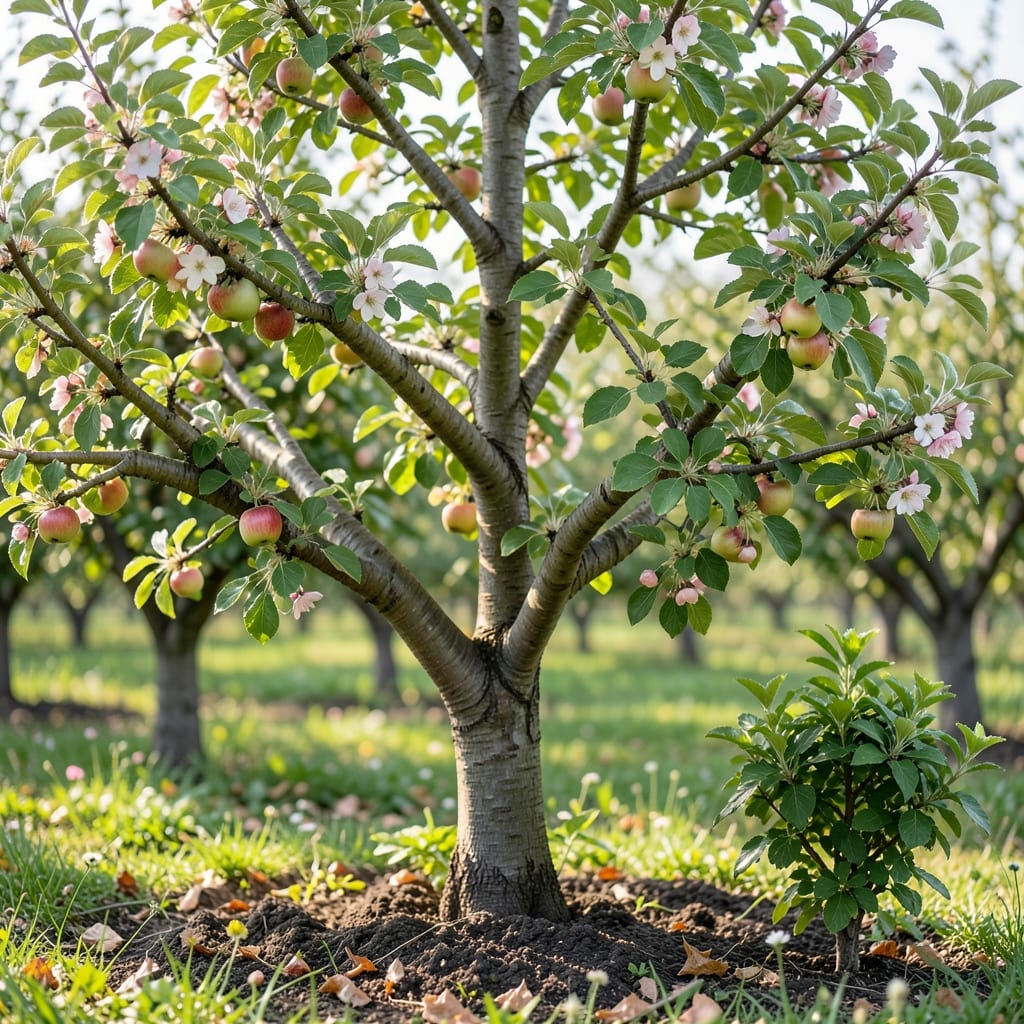
If you’ve ever dreamed of picking fresh 🍎 straight from your backyard but worried about space, let me ease your mind: how tall can apple trees grow depends entirely on the variety you choose—and the answer might surprise you.
From waist-high dwarfs that fit snugly in a patio pot to towering standard trees reaching 40 feet or more, apple trees come in every size imaginable. The key difference? Their rootstock—dwarf varieties stay manageable, while standard trees need room to stretch their branches skyward. This variety means you can grow apples whether you’ve got a sprawling garden or just a small urban yard.
But here’s the catch: taller trees require more pruning, spacing, and patience to yield fruit. We’ll break down the height ranges, best varieties for your space, and simple pruning tricks to keep your tree at your ideal height—without sacrificing those juicy, homegrown apples.
Ready to find the perfect fit for your garden? Let’s dive into the world of apple tree heights and discover which size will work best for you.


Apple tree height variations: dwarf, semi-dwarf, standard, and giant sizes explained
Apple trees come in stunning height variations, from waist-high dwarfs to 40-foot giants, thanks to different rootstock types and grafting techniques. The rootstock—the part of the tree beneath the grafted variety—determines how tall your apple tree will grow and how vigorously it spreads.
Dwarf apple trees, grafted onto M.9 or B.9 rootstock, typically reach 8–12 feet at maturity, making them perfect for small backyards or even large containers. These compact trees fruit earlier and require less pruning, but they may have slightly smaller harvests compared to their taller counterparts.
Semi-dwarf varieties, like those on M.7 or MM.106 rootstock, grow to 12–18 feet, striking a balance between manageable size and abundant fruit production. They’re ideal for medium-sized gardens and offer a good mix of convenience and yield.
Standard apple trees, grafted onto seedling or MM.111 rootstock, can soar to 20–30 feet or even taller, dominating large landscapes. These giants produce heavy fruit loads but need ample space, regular pruning, and sturdy support to prevent limb breakage.
Rarely, you’ll find giant apple trees—some historical varieties or neglected trees can reach 40+ feet—but these are more common in orchards than home gardens. Their massive size demands significant space, resources, and maintenance.
Apple Tree Height Comparison
| Rootstock Type | Mature Height | Best For | Fruit Yield |
|---|---|---|---|
| M.9 (Dwarf) | 8–12 ft | Small yards, containers | Moderate (smaller fruit) |
| B.9 (Dwarf) | 8–12 ft | Urban gardens, patios | Moderate (earlier fruiting) |
| M.7 (Semi-Dwarf) | 12–18 ft | Medium yards, orchards | High (balanced size) |
| MM.106 (Semi-Dwarf) | 12–18 ft | Commercial small orchards | Very high (vigorous) |
| MM.111 (Standard) | 20–30 ft | Large gardens, orchards | Very high (large fruit) |
| Seedling (Giant) | 30–40+ ft | Orchards, historical trees | Extreme (requires space) |
Choose your rootstock based on space, sunlight, and desired fruit yield.
The rootstock also affects how quickly your apple tree matures. Dwarf varieties can bear fruit in as little as 2–3 years, while standard trees may take 5–7 years to produce their first harvest. This timeline is crucial if you’re impatient for homegrown apples!
Another factor influencing height is pruning practices. Even a dwarf tree can grow taller if left unpruned, while aggressive pruning can keep a standard tree more manageable. Regular pruning not only controls height but also improves airflow and sunlight exposure, reducing disease risk and boosting fruit quality.
Climate and soil conditions play a role too. Apple trees in warmer climates with rich, well-draining soil may grow taller and faster than those in cooler or poorer soil. Always check your USDA hardiness zone and local growing conditions before selecting a variety.
For small-space gardening, consider columnar apple trees, which grow just 6–10 feet tall but produce fruit along their entire length. These narrow trees are perfect for tight spaces and require minimal pruning.
If you’re dreaming of a backyard orchard, semi-dwarf or standard trees offer the best balance of fruit production and manageable size. Just be prepared for more pruning and potential limb support as they grow.
No matter which size you choose, always plant your apple tree in full sun (6+ hours daily) and well-draining soil. Proper spacing is key—dwarf trees need 3–4 feet of clearance, while standard trees require 15–20 feet to thrive without crowding.
🌳
Apple tree height variations: dwarf, semi-dwarf, standard, and giant sizes explained
Apple trees aren't one-size-fits-all—their mature heights can range from a manageable 8 feet to towering 40+ feet. The difference? Rootstock. Dwarf varieties grow on M.9 rootstock and stay compact, while standard trees use seedling rootstock and reach their full height potential. Your choice directly impacts pruning needs, fruit yield, and even harvesting ease.
For small backyards, dwarf apple trees (6–12 ft) are ideal—they fruit faster and require less maintenance. But if you have space and dream of a classic orchard, standard varieties (20–30 ft) deliver that iconic look. The trade-off? They take longer to bear fruit and need regular pruning to keep them manageable.
Here’s how each size category breaks down:
Environment plays a role too. Rich, well-draining soil and full sun exposure (6+ hours daily) encourage faster growth, while poor soil or shade can stunt even dwarf varieties. Climate matters too—cooler regions may see slower growth, while warmer zones can push trees to reach their height limits quicker.
Pro tip: If you’re unsure about height, opt for columnar apple trees—they grow vertically (10–15 ft tall) but stay narrow (2–3 ft wide), perfect for tight spaces. Just ensure you plant them 6–10 feet apart to avoid competition for nutrients.
Understanding your tree’s potential height helps you plan for pruning tools, ladder safety, and even neighborly discussions about shading. Need a specific variety recommendation? Let’s explore the best options for your space next!