
Size
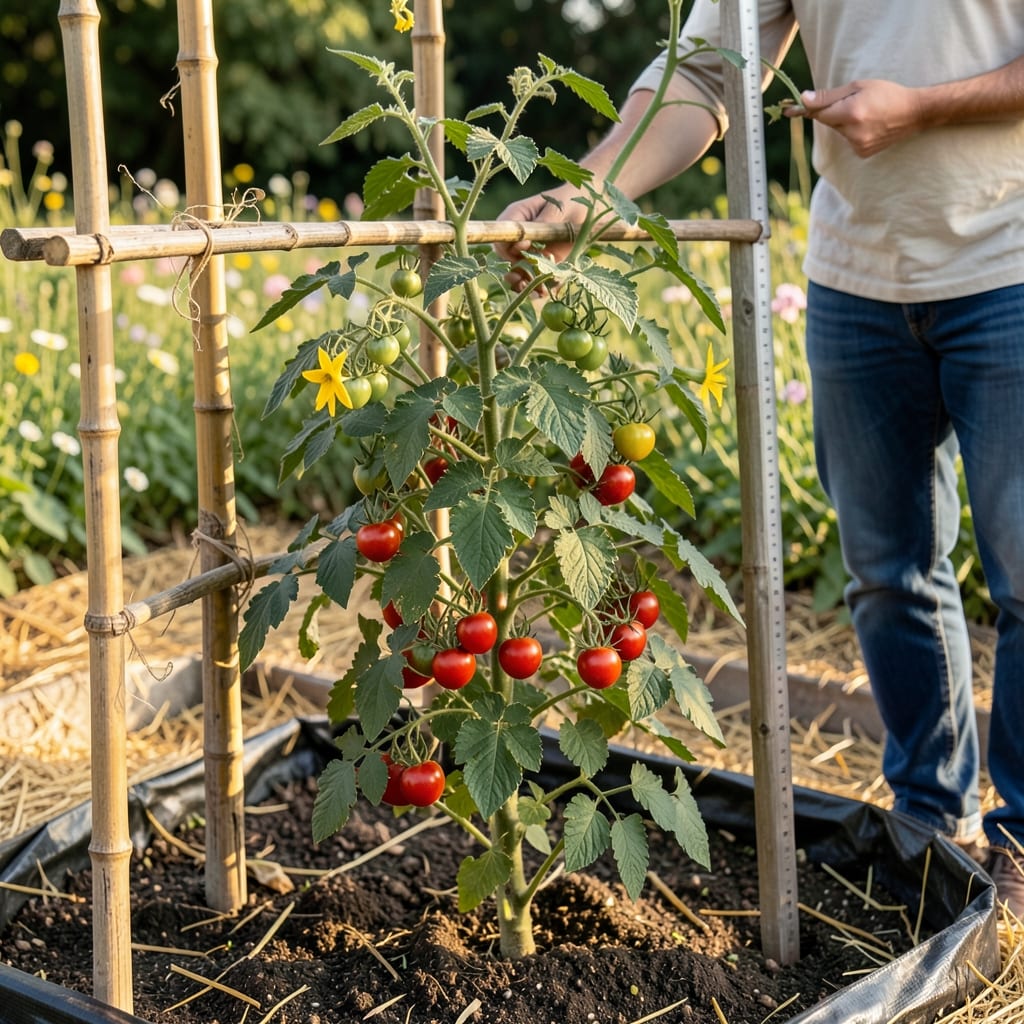
Cherry tomato height ranges: dwarf to giant varieties explained
When planning your cherry tomato garden, one of the first questions I ask is: how tall can cherry tomato plants grow? The answer varies wildly—from 12-inch patio dwarfs to 8-foot jungle vines that need ceiling support! Understanding these height ranges helps you choose the perfect variety for your space, whether it's a balcony container or a sunny backyard plot.
Cherry tomatoes fall into three main height categories: dwarf, semi-dwarf, and indeterminate. Each grows differently, so let's break down what to expect from each type. The variety you pick will determine everything from spacing needs to harvesting ease—and even how much pruning and support you'll need to provide.
🌱
| Variety Type | Height Range | Growth Habit | Best For | Support Needed |
|---|---|---|---|---|
| Dwarf | 12–18 inches | Bushy, compact | Containers, small spaces | None (or small cage) |
| Semi-Dwarf | 2–3 feet | Bushy but taller | Small gardens, raised beds | Stake or small cage |
| Indeterminate | 6–10+ feet | Vining, continuous growth | Trellises, large gardens | Trellis or strong stake |
| Examples | 'Tiny Tim' (12–18") | 'Patio Princess' (2–3') | 'Sweet Million' (6–8') | 'Sungold' (6–10') |
Dwarf varieties like 'Tiny Tim' are perfect for balcony gardens or 5-gallon buckets, while indeterminate types such as 'Sweet Million' will climb like a jungle vine if left unchecked. The key difference? Dwarf and semi-dwarf varieties stop growing after a set time, while indeterminate types keep producing new vines and flowers all season long—if you give them the space and support they crave.
If you're working with limited space, dwarf varieties are your best bet—they rarely exceed 18 inches and thrive in hanging baskets or window boxes. But if you have vertical space to spare, indeterminate varieties can be a game-changer, producing hundreds of cherry tomatoes over the season when trained properly on a trellis or cage.
One common mistake I see is assuming all cherry tomatoes need the same support. Dwarf varieties often don’t need staking at all, while indeterminate types will flop dramatically without it. Always check the seed packet or plant tag for height expectations—it’s the quickest way to avoid overcrowding or wasted space in your garden.
For those of us with small urban gardens, semi-dwarf varieties strike a balance. They grow tall enough to maximize vertical space but stay manageable with minimal pruning. I’ve had great success with 'Patio Princess' in raised beds, where it reaches about 3 feet and produces a steady harvest without taking over the garden.
🌿
Pro tip: If you love the idea of tall, productive plants but lack space, consider espalier training. This technique lets you grow indeterminate varieties along a fence or wall in a flat, controlled shape—ideal for small yards or rooftop gardens. Just be prepared to prune regularly to keep the vines in check and encourage fruit production.
Finally, remember that height isn’t everything. Even dwarf varieties can produce abundant harvests if given the right care, while towering indeterminate plants might struggle in shady conditions or poor soil. Always match your variety to your growing conditions—not just your space constraints.
✂️
Cherry tomato height ranges: dwarf to giant varieties explained
Cherry tomato plants showcase incredible diversity in height, ranging from compact patio dwarfs to towering vines that need vertical support. Understanding these variations helps you choose the perfect variety for your space and growing style. Whether you have a small balcony or a sprawling backyard, knowing your plant's potential height ensures better planning and higher yields.
The height of cherry tomato plants depends on their genetic classification—either determinate (bush-type) or indeterminate (vining). Determinate varieties typically stay shorter and stockier, while indeterminate types grow continuously until frost, often reaching impressive heights. For example, the popular 'Sweet Million' variety can climb to 6+ feet without support, while 'Tiny Tim' stays neatly contained at just 12–18 inches.
| Variety Type | Height Range | Growth Habit | Best For |
|---|---|---|---|
| Dwarf (Determinate) | 12–24 inches | Compact bush | Containers, small spaces |
| Semi-Dwarf (Determinate) | 2–3 feet | Bushy, moderate spread | Balconies, raised beds |
| Indeterminate (Vining) | 4–10+ feet | Continuous vertical growth | Trellises, large gardens |
| Cherry Tomato 'Tiny Tim' | 12–18 inches | Dwarf determinate | Containers, windowsills |
| Cherry Tomato 'Sweet Million' | 6–10 feet | Indeterminate vine | Trellises, vertical gardens |
If you're growing cherry tomatoes in containers or small gardens, dwarf varieties like 'Balcony Red' (18–24 inches) or 'Micro Tom' (12–16 inches) are ideal. These varieties thrive in 5-gallon pots and produce abundant fruit without sprawling. For larger spaces, indeterminate types like 'Sun Gold' or 'Black Cherry' will reward you with season-long harvests if given proper support.
Pruning and training also play a critical role in managing height. Indeterminate varieties benefit from regular pruning to direct energy toward fruit production rather than excessive vine growth. By removing suckers (the small shoots that form in the leaf axils) and tying vines to a trellis or cage, you can control their height while maximizing airflow and reducing disease risk. Even dwarf varieties may need occasional pruning to encourage bushier growth and better fruit set.
Don’t overlook the impact of growing conditions on plant height. Poor soil nutrition, inconsistent watering, or insufficient sunlight can stunt growth, while optimal care can push even dwarf varieties to reach their full potential. For example, 'Tiny Tim' might grow slightly taller in rich, well-draining soil with plenty of sunlight compared to a shady, nutrient-poor spot. Always match your variety to your growing environment for the best results.
Whether you're dreaming of a vertical tomato tower or a neat container garden, choosing the right cherry tomato variety—and understanding its growth habits—is the first step to a bountiful harvest. Experiment with different types to see what thrives in your space, and don’t hesitate to mix dwarf and vining varieties for a dynamic, productive garden! 🌱🍅