
Size
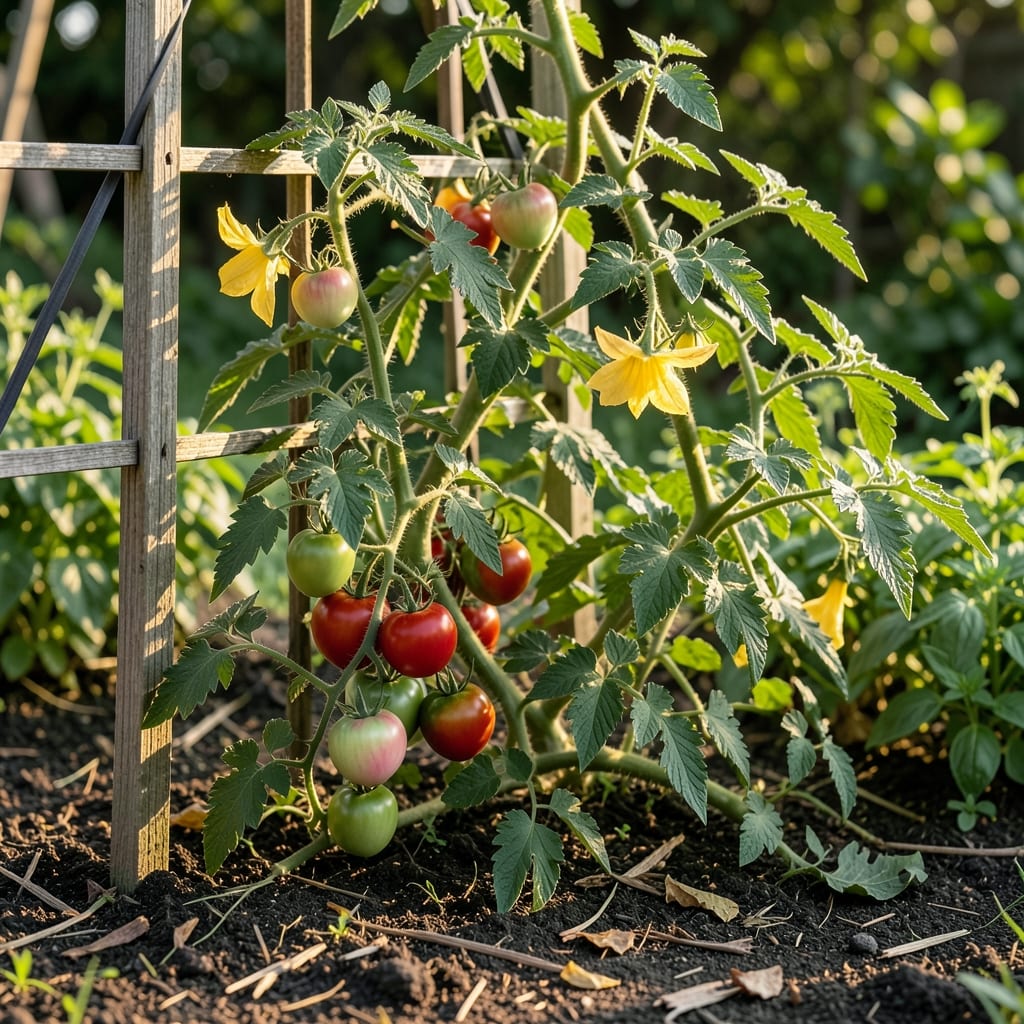
Tomato plant height by variety: from bush to sky-high vines
Tomato plants can range from compact bush varieties under 3 feet tall to indeterminate vines that climb 12+ feet without support. The difference comes down to one key trait: whether your plant is determinate (bush-type) or indeterminate (vining). Knowing which type you're growing helps you plan for support systems and garden space from day one.
Determinate tomatoes stop growing at a set height, making them ideal for container gardens or small spaces. Indeterminate varieties, however, keep growing until frost—sometimes reaching 15 feet or more if left unchecked. This growth habit also affects fruit production, with indeterminate types yielding continuously throughout the season.
Here’s how to identify your tomato’s potential height before planting: Check the seed packet or plant tag for keywords like "bush," "compact," or "dwarf" for shorter varieties. Look for terms like "vining," "indeterminate," or "semi-determinate" for taller growers. Even within these categories, some varieties defy expectations—like the ‘Tiny Tim’ tomato that maxes out at 18 inches or the ‘Sungold’ cherry tomato that can stretch 6-10 feet tall.
Your growing conditions also play a role in final height. Tomatoes in full sun (6+ hours daily) and well-draining soil tend to grow taller and produce more fruit. Poor soil or shade can stunt growth, while over-fertilizing with nitrogen may encourage leafy vines at the expense of height. Pruning and support further influence how tall your plants become—more on that in the next section.
| Variety Type | Height Range | Growth Habit | Example Varieties | Best For |
|---|---|---|---|---|
| Dwarf/Compact | 1–3 ft | Bush (determinate) | Tiny Tim, Patio, Bush Early Girl | Containers, patios, small gardens |
| Semi-Dwarf | 3–5 ft | Bush to semi-vining | Celebrity, Roma, Stupice | Balconies, raised beds, small yards |
| Standard (Determinate) | 4–6 ft | Bush (determinate) | Better Boy, Early Girl, Glacier | Traditional gardens, trellises |
| Indeterminate | 6–12+ ft | Vining (continuous growth) | Sungold, Cherry Roma, Brandywine | Trellises, tall cages, vertical gardens |
| Gigantic (Indeterminate) | 10–15+ ft | Aggressive vining | Arkansas Traveler, Cherokee Purple | Large gardens, strong trellises |
🌱 Pro Tip: Indeterminate varieties often produce more fruit but need consistent support to prevent breakage.
If you’re growing indeterminate tomatoes, expect them to keep reaching for the sky until frost. These varieties produce fruit along the entire stem, so the taller they grow, the more tomatoes you’ll harvest—if you provide the right support structure. For example, a ‘Sungold’ cherry tomato left unsupported might sprawl across your garden, while one trained up a 6-foot trellis can yield 20+ pounds of fruit in a season.
For determinate tomatoes, height is less of a concern, but they still benefit from light support (like tomato cages) to keep branches off the
When and how to prune tomatoes for height control
Pruning tomatoes isn’t just about keeping them tidy—it’s a game-changer for controlling height, boosting yields, and preventing disease. Indeterminate varieties (the sky-high types) need regular pruning to stay manageable, while determinate (bush) types often don’t require it. Start pruning when your plants hit 12-18 inches tall—this is when they’re strong enough to handle trimming without stress.
Use clean, sharp pruners or your fingers to pinch off suckers (those little shoots in the leaf axils). These suckers drain energy from fruit production. Aim to leave 2-3 main stems for indeterminate types—this directs energy upward for bigger, tastier tomatoes. For determinate varieties, minimal pruning (just removing diseased leaves) is usually enough.
Common mistakes can backfire—like pruning too late in the season (after 60 days of growth), which stunts fruit set, or over-pruning, which stresses the plant. Also, avoid pruning during wet weather, as this increases disease risk. Instead, wait for dry, sunny days to trim.
For tall indeterminate varieties like 'Sungold' or 'Brandywine', pruning every 1-2 weeks keeps them under control. Focus on removing suckers and lower leaves to improve airflow. Even determinate types like 'Roma' benefit from light pruning to remove yellow or diseased leaves—just don’t go overboard!
Pro tip: If you’re growing in containers or small spaces, prune more aggressively to encourage bushier growth. This works especially well for cherry tomato varieties like 'Sweet 100', which can get top-heavy without support. Just remember—every cut should serve a purpose, whether it’s controlling height, improving airflow, or redirecting energy to fruit production.
With the right pruning strategy, you’ll turn unruly vines into productive powerhouses—no jungle gym required. Start small, observe your plant’s response, and adjust as you go. Happy pruning! 🌱