
Trees
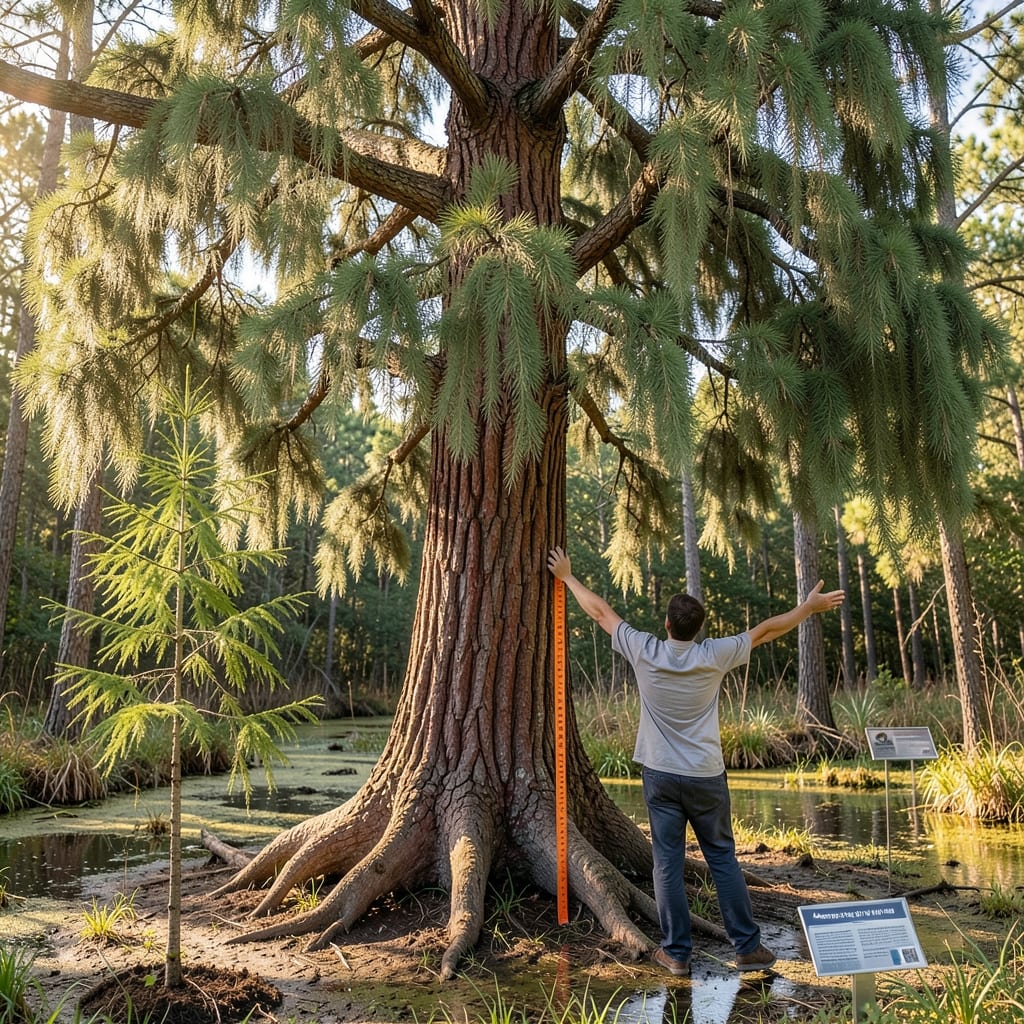
If you're wondering how tall do bald cypress trees grow, the answer might surprise you—these majestic 🌲 trees can reach heights of 75 feet or more under ideal conditions, making them a stunning focal point for any landscape.
What sets bald cypress trees apart isn’t just their impressive height but their adaptability. Whether you're in USDA Zone 6a or a swampy region, these trees thrive where others struggle, adding both drama and durability to your outdoor space. Their ability to handle wet soil and seasonal changes makes them a low-maintenance giant for gardeners.
But how do you ensure your bald cypress reaches its full potential? The key lies in understanding the factors that influence its growth—like soil type, climate, and proper spacing. In this guide, I’ll break down everything you need to know to plant, care for, and watch your tree grow into the towering beauty it’s capable of becoming.
From dwarf varieties to towering specimens, we’ll explore how to maximize height while keeping your landscape balanced. Let’s get started!


Bald cypress tree height by variety: from dwarf to giant
The bald cypress (Taxodium distichum) is one of nature's architectural marvels, capable of reaching heights that will make your landscape feel like a cathedral. But here's the catch: its mature size varies wildly depending on the cultivar you choose. Some stay compact enough for small yards, while others become towering giants that dominate the skyline. Let's break down the height ranges by variety so you can pick the perfect fit for your space.
First, it's important to note that bald cypress trees are fast-growing when conditions are ideal. In perfect settings—like swampy soil with full sun—they can grow 2-3 feet per year in their youth. However, growth slows as they mature. The standard bald cypress typically reaches 50-75 feet at maturity, but dwarf varieties can stay under 15 feet—a dramatic difference for your landscape planning.
Here’s the comparison-table you requested, showing the most popular bald cypress varieties and their mature height ranges, along with their growth habits and ideal uses:
If you're working with limited space, the 'Littlemore' cultivar is a game-changer. It stays under 15 feet and grows at a manageable pace, making it perfect for small yards or even large containers. On the other hand, if you want to create a dramatic focal point, the standard bald cypress or 'Nutans' will deliver that cathedral-like height you're dreaming of.
One thing to keep in mind is that height isn't the only factor to consider. Bald cypress trees also develop wide canopies, especially in sunny conditions. For example, a 50-foot-tall tree might have a 30-foot-wide spread, so you'll need to account for that when planning your planting spacing. Always leave at least 20-30 feet of clearance around the base for mature trees.
For those in urban areas where space is tight, the 'Montgomery' cultivar strikes a balance. It reaches 30-40 feet but grows more slowly than the standard variety, making it easier to manage over time. Plus, its pyramidal shape adds visual interest without overwhelming your landscape.
If you're planting near a pond or wetland, the 'Nutans' variety is a fantastic choice. Its weeping branches create a stunning silhouette, especially when reflected in water. Just be prepared for its rapid growth—this tree can shoot up 3 feet per year in ideal conditions, so regular pruning may be necessary to keep it in check.
For container growing, stick to dwarf varieties like 'Littlemore'. These can thrive in large pots for several years before needing to be transplanted. Just ensure your container has drainage holes and is at least 2 feet wide to accommodate the tree's root system as it grows.
Remember, these height ranges are estimates. The actual size of your bald cypress will depend on soil quality, water availability, and climate conditions. We'll dive deeper into those factors in the next section, but for now, choose a variety
How soil type and climate affect bald cypress growth height
The soil type and climate where you plant your bald cypress can dramatically influence its final height. Unlike many trees, bald cypresses thrive in wet, swampy conditions—their natural habitat—but they also adapt surprisingly well to drier soils if given proper care. Let’s break down how these factors shape your tree’s growth trajectory.
In swampy or poorly drained soils, bald cypresses can reach their maximum potential height of 70+ feet, thanks to their unique ability to develop knees (aerial roots) that help them breathe in waterlogged conditions. However, in well-drained, upland soils, their growth may slow, capping at 30-50 feet unless given extra moisture.
| Soil Condition | Height Range | Growth Rate | Climate Adaptation |
|---|---|---|---|
| Swampy/Waterlogged | 60-75 ft | Fast (3-5 ft/year) | Humid, tropical, or temperate zones |
| Moist but Drained | 40-60 ft | Moderate (2-4 ft/year) | Coastal, riverbanks, or wet meadows |
| Well-Drained/Upland | 30-50 ft | Slow (1-3 ft/year) | Dry climates with supplemental water |
Climate plays an equally critical role. In humid, subtropical regions like Florida or Louisiana, bald cypresses grow taller and faster due to year-round warmth and high moisture. Conversely, in colder climates (USDA Zones 4-6), their growth slows significantly, often reaching only 30-40 feet unless given extra protection from frost.
If you’re planting in dry climates, mimic their natural wet conditions by adding a swale (a shallow trench) around the base to retain water. Mulching with organic matter like wood chips also helps retain moisture and encourages faster growth toward the upper end of their height range.
One common misconception is that bald cypresses only grow in swamps. While they excel there, they’re surprisingly versatile! With the right soil amendments—like compost or peat moss—you can coax even upland varieties to reach impressive heights. Just remember: water is their growth fuel, so prioritize it.
For gardeners in arid regions, consider planting near a pond, rain garden, or even a drip irrigation system to keep roots consistently moist. This small adjustment can turn a 30-foot tree into a 60-foot stunner over time. The key is balancing their love for water with your landscape’s constraints.