
Plants
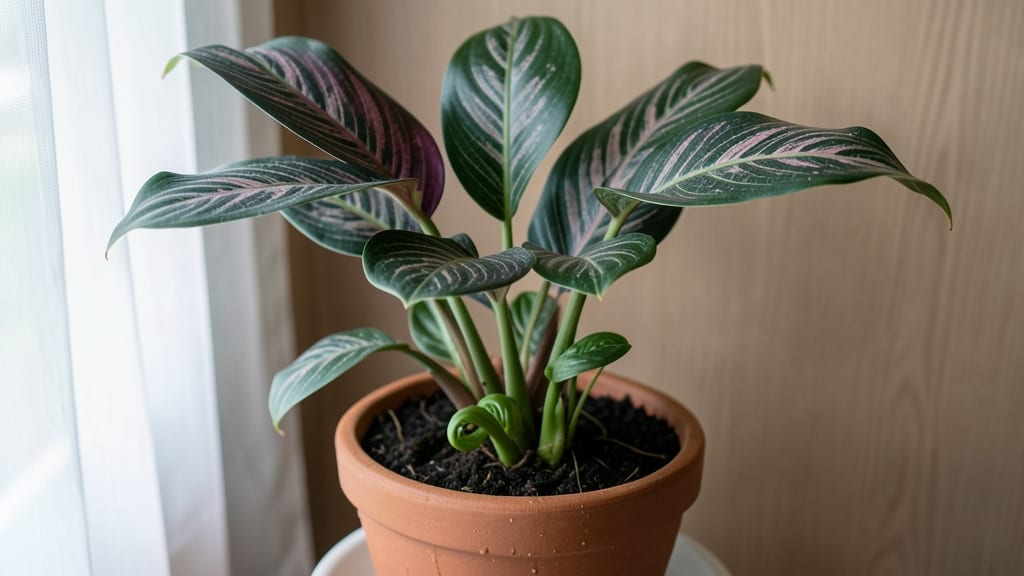
Wondering how tall do Calathea plants grow before they outgrow your favorite shelf? These stunning tropical plants can surprise you with their range—some stay compact while others reach for the sky, depending on the variety and care you provide.
Most Calathea varieties like the popular 🌿 Calathea Rattlesnake or Orbifolia typically mature between 1.5 to 3 feet, making them perfect for tables, shelves, or even hanging baskets. But don’t be fooled—some varieties, like the Miss Muffet, can stretch taller if given the right conditions.
What’s the secret to controlling their height? It all comes down to light, pot size, and humidity. Too much direct sun or a cramped pot can stunt growth, while proper care helps them thrive at their ideal size.
Let’s break down exactly what to expect and how to keep your Calathea looking its best.
Whether you’re a new plant parent or a seasoned collector, knowing these growth patterns will help you choose the perfect spot and care routine. Ready to find out how to keep your Calathea at the perfect height for your space?

Calathea height by variety: exact growth expectations for popular types
Calathea plants grow at different rates depending on the variety, with some staying compact while others reach impressive heights. Most varieties mature between 1.5 to 3 feet, but knowing the exact expectations for each type helps you plan your space and care routine.
For example, Calathea orbifolia typically stays around 2 feet tall, while Calathea lancifolia can stretch up to 3 feet with proper care.
If you're new to Calatheas, understanding these height ranges prevents surprises—like realizing your Miss Muffet variety needs a taller shelf! Smaller varieties like Calathea rufibarba (also called "Rat Tail") max out at 1.5 feet, making them perfect for desks or windowsills.
Meanwhile, Calathea medallion often grows 2 to 2.5 feet, requiring a bit more vertical space.
Here’s a quick reference for the most popular Calathea varieties and their mature heights:
| Variety | Mature Height | Growth Rate | Best For |
|---|---|---|---|
| Calathea orbifolia | 1.5–2 ft | Moderate | Desks, shelves |
| Calathea lancifolia | 2–3 ft | Fast | Tall shelves, floors |
| Calathea rufibarba | 1–1.5 ft | Slow | Small spaces, offices |
| Calathea medallion | 2–2.5 ft | Moderate | Medium shelves |
| Calathea concinnata | 1.5–2 ft | Slow | Desks, small tables |
| Calathea makoyana (Rattlesnake) | 1.5–2.5 ft | Moderate | Shelves, hanging baskets |
| Calathea warscewiczii | 2–3 ft | Fast | Tall displays, corners |
Some varieties, like Calathea warscewiczii or Calathea lancifolia, can grow taller if given ideal conditions, but their height is often influenced by how you care for them. For instance, overwatering can stunt growth, while bright indirect light encourages taller, bushier plants.
If you’re unsure about a specific variety, check the leaf shape and pattern—these often correlate with height trends.
Pro tip: If you’re buying a Calathea online, ask for the exact variety name—many sellers mislabel plants as "Medallion" or "Concinnata" when they’re actually something else. This can lead to unexpected heights or care needs. Always verify before purchasing to avoid disappointment.
For example, a Calathea orbifolia labeled as "Medallion" might grow taller than expected, while a true Calathea medallion will stay compact. Double-check with the seller or nursery to ensure you’re getting the right plant for your space.
Once you’ve chosen your Calathea, remember that height isn’t set in stone. With the right care—like proper humidity, indirect light, and occasional pruning—you can influence how tall your plant grows.
For instance, Calathea lancifolia can reach 3 feet in a year with ideal conditions, while the same plant might stay shorter in low light.
If you’re working with limited space, focus on smaller varieties like Calathea rufibarba or Calathea concinnata. These stay under 2 feet and thrive on desks or countertops. For larger spaces, embrace the taller varieties like Calathea warscewiczii or Calathea lanc
What determines Calathea plant height: light, pot size, and care factors
Your Calathea’s height isn’t just about genetics—it’s heavily influenced by the environment you provide. Indirect light is the #1 factor: too little stunts growth, while too much causes leggy, weak stems. Place your plant 2-3 feet from an east-facing window for ideal bright indirect light that encourages balanced, upright growth.
Pot size plays a surprising role too. Root-bound Calatheas grow taller as they stretch for space, but overpotting (choosing containers 2+ inches larger than needed) leads to excessive soil moisture and slows height gains. Stick to pots 1-2 inches wider than the root ball for compact, healthy growth.
🌱 Key Factors Affecting Calathea Height
- 1. Light: Bright indirect = 1.5–3 ft; Low light = 1–2 ft
- 2. Pot Size: Root-bound = taller; Overpotted = slower growth
- 3. Humidity: 60%+ = full height; Below 40% = stunted growth
- 4. Pruning: Regular trimming = controlled height; No pruning = leggy growth
- 5. Fertilizer: Balanced NPK = faster growth; Over-fertilizing = weak stems
Don’t overlook humidity levels—these tropical plants crave 60% humidity or higher to reach their full potential. In dry climates, use a pebble tray or humidifier to prevent leaves from curling and growth from slowing.
I’ve seen Calathea Lancifolia reach 3 feet in humid bathrooms but stay under 2 feet in dry living rooms.
Your pruning habits also shape height. Pinch back leggy stems early to encourage bushier growth, and remove yellow or damaged leaves to redirect energy upward. For tall varieties like Calathea Orbifolia, prune the top 1-2 inches to maintain a 2-foot height—this triggers lateral growth and keeps your plant fuller.
Finally, fertilizer choices matter. A balanced 10-10-10 NPK applied every 4-6 weeks in spring/summer fuels steady growth, while high-nitrogen fertilizers can cause weak, floppy stems. Always dilute to ½ strength to avoid burning roots, which stunts height gains.
Pro tip: Rotate your Calathea every 2-3 weeks so all sides get even light. This prevents lopsided growth and ensures your plant grows symmetrically toward its full 1.5–3-foot potential. With the right care, you’ll have a lush, proportionate plant that fits perfectly in your space!